
 The Standard Group Plc is a multi-media organization with investments in media
platforms spanning newspaper print
operations, television, radio broadcasting, digital and online services. The
Standard Group is recognized as a
leading multi-media house in Kenya with a key influence in matters of national
and international interest.
The Standard Group Plc is a multi-media organization with investments in media
platforms spanning newspaper print
operations, television, radio broadcasting, digital and online services. The
Standard Group is recognized as a
leading multi-media house in Kenya with a key influence in matters of national
and international interest.


Residents during celebrations to mark Hepatitis Day at Marigat Hospital, Baringo County. [File, Standard[
Hepatitis diseases pose a serious public health challenge in Kenya. Their global significance is recognised every year on 28 July as World Hepatitis Day. This year, attention was drawn to a worrying finding: 15 per cent of commercial sex workers in Nairobi’s Majengo slums who were tested for HIV/AIDS were also found to be infected with hepatitis B.
Hepatitis is also posing a growing threat to the national blood bank and healthcare workers. For decades, HIV/Aids was the main concern regarding the safety of donated blood. Today, hepatitis represents the greater risk.
The National Blood Transfusion Service reports that HIV/Aids detection in donated blood has declined due to increased awareness among donors and falling infection rates, from 13 per cent in the 1990s to 9 per cent in the mid-2000s, and currently just 3.3 to 4 per cent. Kenya has also seen a downward trend in the prevalence of syphilis among blood donors.
However, concern is growing over a rising prevalence of hepatitis A, B and C, as confirmed in a recent Kenya Medical Research Institute (KEMRI) report. Medical experts say the rapid increase is causing alarm. Gastroenterologists explain that hepatitis is an inflammation of the liver, most commonly caused by viral infection, and can be fatal. There are five main hepatitis viruses – A, B, C, D and E – with types A, B and C being the most common in Kenya.
Symptoms include jaundice (yellowing of the skin and eyes), dark urine, extreme fatigue, nausea, vomiting and abdominal pain. Hepatitis A and E are usually contracted through contaminated food or water, while B, C and D are transmitted through contact with infected body fluids. Hepatitis B can also spread via sexual contact, saliva and other bodily secretions.
KEMRI research conducted two years ago identified Northern Kenya, particularly Turkana and Marsabit, as the worst-affected regions, with infection rates up to 20 per cent, while Central Kenya reported the lowest rate at three percent.
Experts, including Dr Nicholas Ochieng’ of Kenyatta National Hospital, recommend effective hepatitis management, including vaccination, to curb the rise in cases. The hepatitis B vaccine was added to the National Childhood Immunisation Programme in 2001, meaning those born before then remain unprotected and require screening and treatment if infected. Dr Ochieng’ advises screening food handlers, commercial sex workers, healthcare workers and schoolchildren above nine years, to treat the infected and vaccinate the healthy. Vaccination against hepatitis A is also recommended to control its spread.
Doctors further advise that adolescents be vaccinated before becoming sexually active, as hepatitis is frequently transmitted through blood transfusions. “Until the number of hepatitis cases is reduced through interventions, blood donated will continue to carry risk. People should not fear donating blood, as it also helps them know their health status and blood group. Institutions should encourage staff to donate blood annually as part of corporate social responsibility,” Dr Ochieng’ adds.
A health survey by the Kenya Paediatrics Association (KPA) found that 10 per cent of pregnant women carry chronic hepatitis B virus. Experts warn that if newborns are not vaccinated, Kenya could continue to report around 50,000 new hepatitis B cases annually. About 40 per cent of children born to hepatitis B-positive mothers contract the virus.
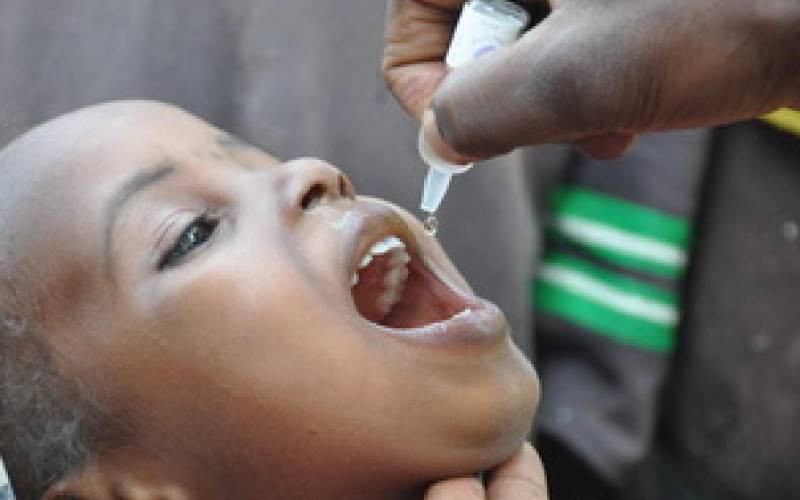
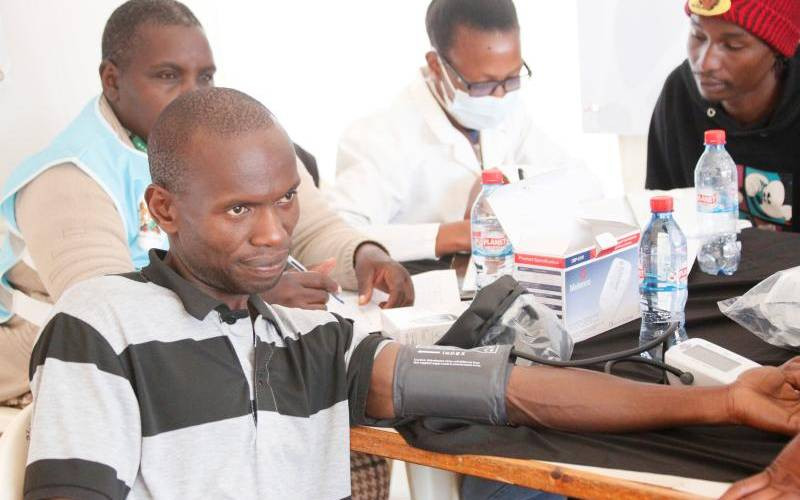
During World Hepatitis Day, medics urged Kenyans to get screened and seek urgent treatment if positive. Those who test negative should be vaccinated to prevent infection. Early detection is crucial to prevent chronic liver damage.
“Early diagnosis gives the patient a better chance of recovery. Hepatitis is a viral disease that inflames and damages the liver, stopping it from functioning properly,” says Dr Mohan Lumba, paediatrician and former president of KPA. He notes that hepatitis B prevalence in Kenya is about 12 per cent. Many infected individuals show no symptoms, making early testing and vaccination essential to prevent chronic disease and complications.
Hepatitis B is responsible for approximately 85 per cent of liver cancer cases in Kenya. The good news is that vaccines for all hepatitis types are available, and effective drugs for managing hepatitis B and C exist. Vaccine costs range from KSh 1,500 to 2,500, while treatment drugs cost around KSh 6,500. Generic versions are significantly cheaper than branded alternatives, highlighting affordability as a barrier to care in developing nations.
Experts emphasise that prevention through immunisation remains better than cure. It reduces the risk of long-term liver complications, including cancer.










 join
join