
 The Standard Group Plc is a multi-media organization with investments in media
platforms spanning newspaper print
operations, television, radio broadcasting, digital and online services. The
Standard Group is recognized as a
leading multi-media house in Kenya with a key influence in matters of national
and international interest.
The Standard Group Plc is a multi-media organization with investments in media
platforms spanning newspaper print
operations, television, radio broadcasting, digital and online services. The
Standard Group is recognized as a
leading multi-media house in Kenya with a key influence in matters of national
and international interest.

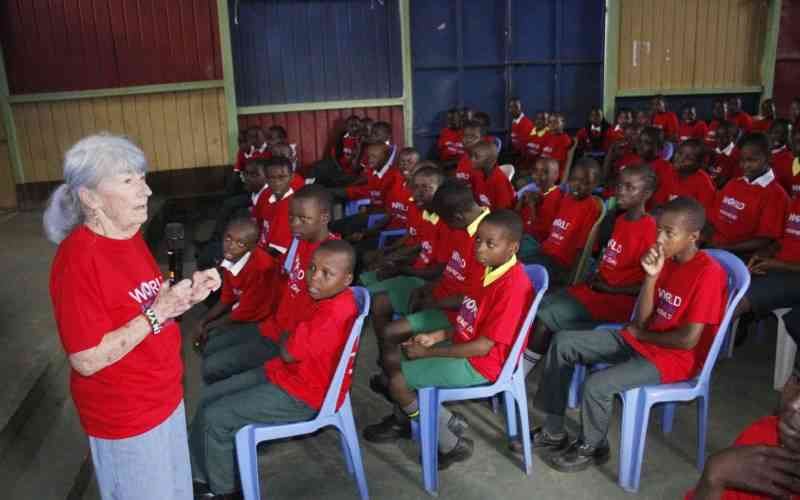
Channa Beth Butcher of E3 Kenya held a menstrual hygiene session at Mukuru Centre Primary School on May 28, 2026, promoting dignity and safe menstruation. [Edward Kiplimo, Standard]
For many girls in informal settlements, menstruation remains a monthly struggle shaped by stigma, poor sanitation, lack of privacy and limited access to sanitary products.
The challenges continue to affect confidence, hygiene and school attendance, with some girls forced to miss classes during their periods for fear of embarrassment or because they cannot afford sanitary products.
Speaking during the World Menstrual Hygiene Day activities at Ruben Centre in Mukuru Kwa Ruben on Wednesday, Cherotich Joy from Fresh Life said stigma surrounding menstruation continues to affect many school-going girls.
“As we know, there is always stigma surrounding menstrual hygiene. Sometimes girls are laughed at in school after staining their dress or skirt and they end up shying away,” she said.
The awareness event brought together boys and girls from Grade Six and above, teachers, parents and community members for conversations around menstrual health, hygiene, dignity and encouraging more supportive environments for girls both at school and in the community.
Organisers said involving boys in the discussions was intentional in helping break harmful stereotypes and misconceptions surrounding periods.
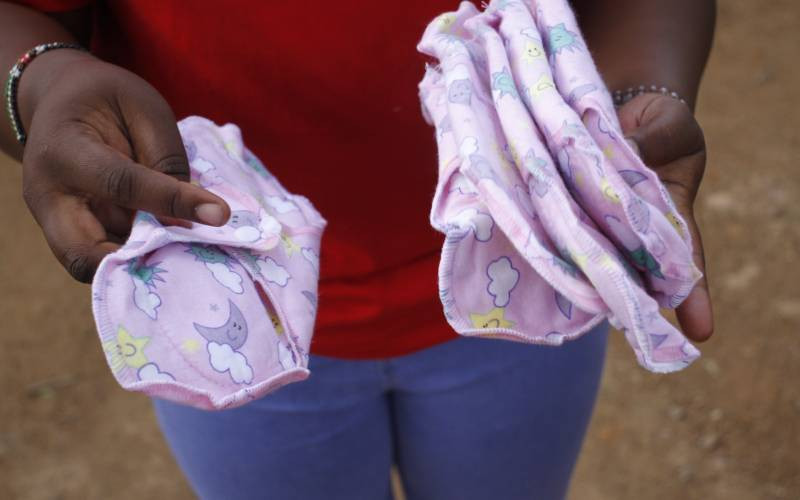
The event was held as part of this year’s global Menstrual Hygiene Day commemorations, themed “Together for a Period Friendly World.”
Participants discussed the importance of access to clean toilets, safe disposal systems, water and sanitary products in helping girls manage menstruation safely and with dignity
Cherotich noted that poor disposal of sanitary products remains a challenge in many informal settlements, with some products ending up in drainage systems or being dumped in the environment.
“We are trying to encourage proper disposal because when sanitary products are poorly disposed of, they become both an environmental and public health concern,” she said.
As part of the day’s activities, newly constructed toilets were handed over at Mukuru Transformers Secondary School to improve access to safe sanitation for learners. The facilities include sanitary disposal bins and handwashing stations.
Professor Jerono Rotich from Indiana University School of Public Health said many girls continue to face shame and trauma linked to menstruation, especially in school environments.
“I remember staining my skirt and the boys made fun of me and it was really traumatising,” she said.
Rotich said some girls still miss school because their families cannot afford sanitary products, while others struggle with a lack of clean and private spaces to change during their periods.
“We want girls to understand that menstruation is normal and healthy, and we want communities to support them instead of shaming them,” she said.
Through a menstrual health initiative supported by E3 Kenya, girls attending the event received hygiene kits containing reusable pads, underwear, soap and menstrual tracking calendars to help them manage their periods safely.
Dr Channa Beth Butcher, the E3 Kenya Founder, said the initiative is also training women within communities to make reusable sanitary pads in an effort to improve access and promote sustainability.
The event also featured a screening of Impure, a film that highlights the emotional effects of period shaming and stigma among young girls.
“Storytelling and open conversations remain important tools in breaking the silence around menstruation and promoting menstrual dignity rather than shame in communities,” said Dr Channa.









 join
join