
 The Standard Group Plc is a multi-media organization with investments in media
platforms spanning newspaper print
operations, television, radio broadcasting, digital and online services. The
Standard Group is recognized as a
leading multi-media house in Kenya with a key influence in matters of national
and international interest.
The Standard Group Plc is a multi-media organization with investments in media
platforms spanning newspaper print
operations, television, radio broadcasting, digital and online services. The
Standard Group is recognized as a
leading multi-media house in Kenya with a key influence in matters of national
and international interest.

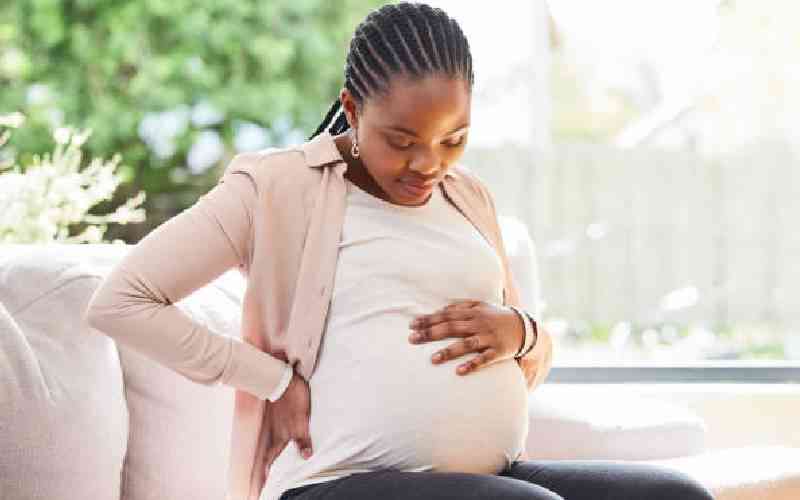
Preeclampsia remains one of the most dangerous pregnancy complications in Kenya, contributing significantly to maternal and newborn deaths. Health experts, however, emphasise that while the condition cannot always be prevented, most severe outcomes can be avoided through early antenatal care, timely diagnosis and close monitoring throughout pregnancy.
According to the UN Inter-Agency Group for Child Mortality Estimation, Kenya recorded about 58,200 deaths among children under five in 2024. The country is projected to miss the Sustainable Development Goal target of reducing under-five mortality to 25 deaths per 1,000 live births by 2030 and may only achieve it by 2049. By 2030, the rate is expected to remain at 34.6 deaths per 1,000 live births, highlighting persistent gaps in maternal and newborn healthcare that directly affect conditions such as preeclampsia.
At Jaramogi Oginga Odinga Teaching and Referral Hospital (JOOTRH), clinicians report a steady rise in hypertensive disorders during pregnancy, with preeclampsia among the most common and severe.
Dr Paul Odira, a resident in the Department of Obstetrics and Gynaecology, explains that preeclampsia is a pregnancy-related condition that typically develops after 20 weeks and can affect almost every major organ. “It affects the brain, kidneys, liver, lungs and heart,” he says. “That is why early detection is critical because once it begins to progress, it can become life-threatening very quickly.”
Dr Odira notes that high blood pressure above 140/90 is usually the earliest warning sign, which is why routine blood pressure screening is a key part of antenatal care. “When the kidneys are affected, we begin seeing protein in the urine, which is a sign of damage,” he explains. “Some patients eventually develop kidney failure and require dialysis. We are currently managing such cases.”
He adds that swelling of the brain can trigger convulsions, leading to eclampsia, one of the most severe forms of the disease. Babies are also at risk because reduced blood flow to the placenta can impair growth, result in premature delivery or cause complications after birth.
Consultant obstetrician-gynaecologist and founder of Saudah Femcare Specialists, Dr Saudah Farooqui, says there is no guaranteed way to prevent preeclampsia, but its severity can often be reduced through early intervention. “It is not a condition that can be completely avoided,” she says.
- Motherhood and mental pain: Kenya's overlooked crisis
- Free maternity care still unclear despite new SHA package
- Busia county government sets up Ebola isolation centre
- Eye diseases surge as Kenya battles cataract backlog and dangerous misuse of steroid eye drops
Keep Reading
She stresses that antenatal booking during the first trimester is crucial. Early assessment helps clinicians identify risk factors, such as a previous history of preeclampsia, chronic hypertension, kidney disease, diabetes, obesity, multiple pregnancies and a family history of the condition. “We assess each woman’s risk profile and, where appropriate, start preventive treatment such as low-dose aspirin,” she says.
Dr Farooqui also notes that teenage mothers and women over 35 face a higher risk of developing the condition.
At the frontline of care, midwives say delayed presentation remains a major challenge.
Elizabeth Murusa, a midwife at JOOTRH, says many women arrive at the hospital when the condition is already advanced, often presenting with persistent headaches, blurred vision and swelling. “Most clients come after 26 weeks with high blood pressure and headaches,” she says. “By then, we are often already managing complications affecting the kidneys or liver.”
She explains that women admitted with suspected preeclampsia undergo intensive monitoring, including regular blood pressure checks, laboratory investigations and foetal surveillance to assess the baby’s wellbeing. “In severe cases, we also prepare for emergencies, such as convulsions and postpartum haemorrhage,” she says.
Murusa adds that teenage mothers and women from remote areas are particularly vulnerable because stigma, distance and limited access to healthcare often delay clinic attendance.
JOOTRH Director of Nursing Services Teresa Okiri says the hospital continues to receive increasing numbers of women with preeclampsia, many of whom are referred late from lower-level facilities. “The main challenge is delayed referral and inconsistent antenatal attendance,” she says. “Some women only attend one or two clinic visits during pregnancy, making early detection difficult.”








 join
join