
 The Standard Group Plc is a multi-media organization with investments in media
platforms spanning newspaper print
operations, television, radio broadcasting, digital and online services. The
Standard Group is recognized as a
leading multi-media house in Kenya with a key influence in matters of national
and international interest.
The Standard Group Plc is a multi-media organization with investments in media
platforms spanning newspaper print
operations, television, radio broadcasting, digital and online services. The
Standard Group is recognized as a
leading multi-media house in Kenya with a key influence in matters of national
and international interest.

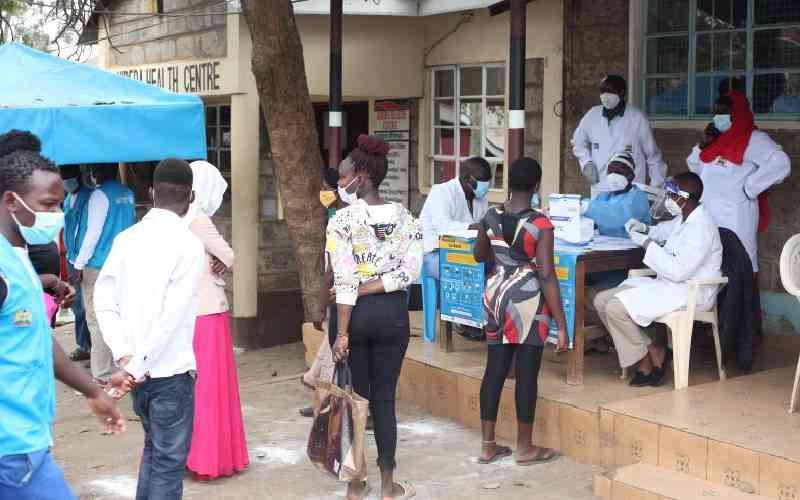
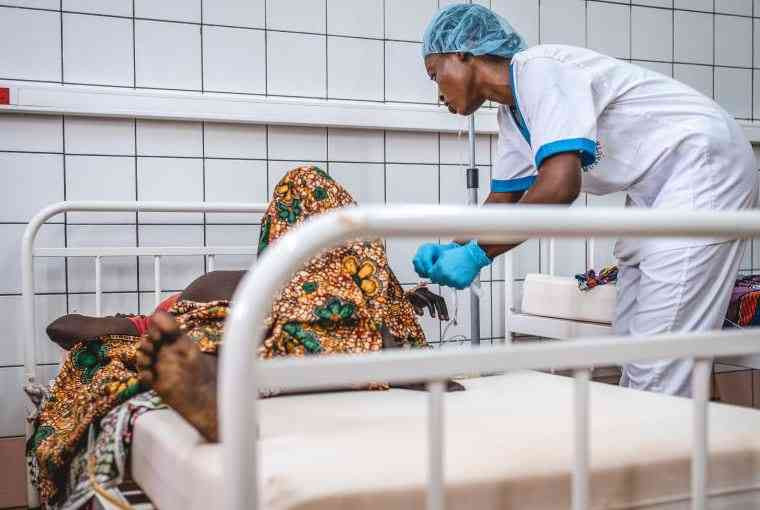
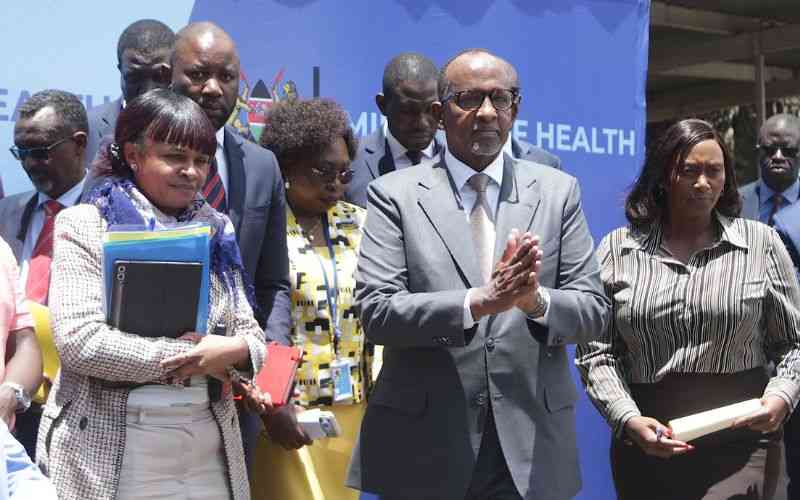
Young people still face challenges in accessing essential healthcare. [File, Stndard]
Young people continue to face barriers in accessing essential healthcare and sexual and reproductive health services, with human rights defenders and university students calling for stronger accountability within the health system.
Stakeholders say constitutional guarantees on the right to healthcare have not always translated into timely and equitable access to services, particularly for young people and other vulnerable groups.
The concerns emerged during discussions at the University of Nairobi, where participants examined the challenges young people encounter when seeking healthcare and making decisions about their bodies and lives.
The discussions were brought to life through a theatre performance by university students, who portrayed the experiences of young people navigating gaps in the healthcare system.
The play was inspired by a landmark court case involving a teenage girl who sought emergency medical treatment but was allegedly denied care despite suffering complications.
Through the performance, the students highlighted the consequences of delayed or denied healthcare and the difficult decisions young people may face when seeking services.
Ethan Kinyua, a student and director of the play, said the issues explored in the performance were closely linked to rights protected under Chapter Four of the Constitution, particularly the right to health and human dignity.
- Why quality standards matter in outpatient care
- Too young to be mothers: Inside Kenya's teenage pregnancy crisis
- Trans Nzoia crafts policy to tackle maternal deaths
Keep Reading
“The play is important because it teaches us about the role we have in upholding the Constitution,” Kinyua said.
He said young people needed to understand their rights so they could recognise violations and demand appropriate services.
“There are some aspects where power is abused. If the Constitution is there to protect us, we need to uphold it,” he said.
Human rights defender Wangari Ireri said access to accurate information was critical in enabling young people to make informed decisions about their health.
“We are here to pass information and sensitise people on what information they should have to make decisions about their lives,” Wangari said.
She said greater awareness of health rights could help young people seek services and hold institutions accountable when their rights are violated.
Article 43 of the Constitution guarantees every person the right to the highest attainable standard of health, including reproductive healthcare. Article 28 also protects the inherent dignity of every person, while other provisions of the Bill of Rights protect equality, freedom from discrimination and access to information.
However, participants said legal protections alone were not enough to guarantee access to healthcare.
They cited gaps in awareness, access to information and accountability as barriers preventing young people from fully exercising their health rights.
The discussions also highlighted the importance of ensuring that healthcare services are accessible, responsive and respectful, particularly when young people seek sensitive services.
Stakeholders called for greater public awareness, accountability and engagement to bridge the gap between constitutional guarantees and patients' experiences.






 join
join