
 The Standard Group Plc is a multi-media organization with investments in media
platforms spanning newspaper print
operations, television, radio broadcasting, digital and online services. The
Standard Group is recognized as a
leading multi-media house in Kenya with a key influence in matters of national
and international interest.
The Standard Group Plc is a multi-media organization with investments in media
platforms spanning newspaper print
operations, television, radio broadcasting, digital and online services. The
Standard Group is recognized as a
leading multi-media house in Kenya with a key influence in matters of national
and international interest.

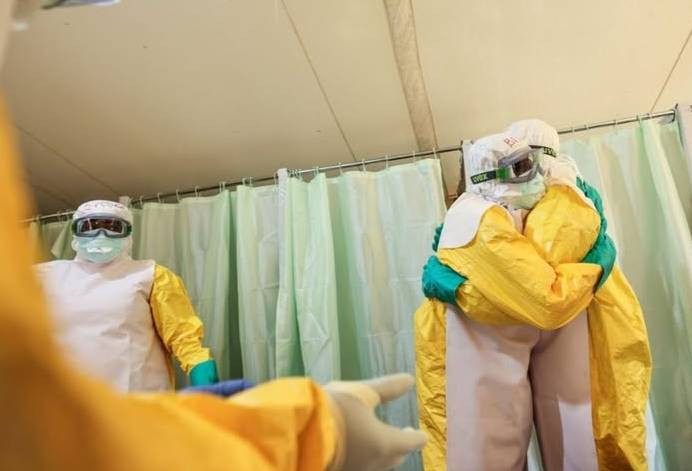
Kenya has confirmed a second case of Ebola, raising the country’s total to two confirmed infections and one death as health authorities intensifies contact tracing, quarantine and surveillance to prevent further transmission.
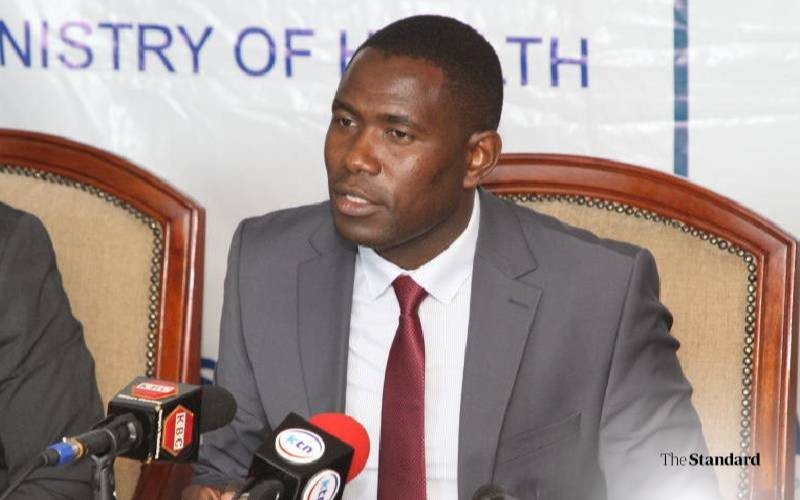
In a press release issued on October 14, 2026, Director General for Health Dr Patrick Amoth said the latest patient is a 39-year-old man who is a close family member of the first confirmed case.
The man had already been placed under quarantine and was receiving daily monitoring when he developed fever, fatigue and joint pains on October 13.
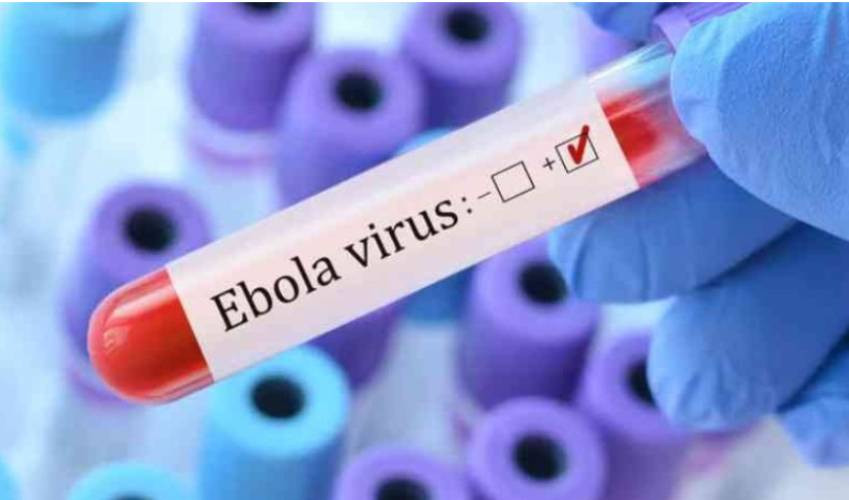
Health teams immediately isolated him and collected samples for testing. The National Virology Reference Laboratory and the KEMRI-CDC laboratory independently returned positive results for Ebola, specifically Bundibugyo Virus Disease.
The patient has since been admitted to a designated treatment centre, where trained medical personnel are providing supportive care.
The Ministry said the early detection demonstrated the effectiveness of the containment measures, noting that the patient’s existing quarantine status had helped prevent further exposure.
“This is the response working as designed,” the Ministry stated, adding that updates on the patient’s condition would be provided as appropriate.
Authorities have stressed that the two confirmed cases are linked and that there is currently no evidence of transmission within the wider community.
- WHO declares international emergency as Ebola kills over 80 in DR Congo
- Duale: No Ebola in Kenya as DRC outbreak kills 88, reaches Uganda
- Duale: Three suspected Ebola cases tested negative, surveillance upped
- WHO warns of rising Ebola threat as Kenya tightens response efforts
Keep Reading
However, the emergence of a second case underscores the importance of sustained vigilance, particularly as investigations continue to establish whether other people may have been exposed.
According to the Ministry, 128 contacts associated with the first case have been identified. By October 13, health teams had traced 113, including 108 who are quarantined in Kenya and undergoing daily clinical assessments and temperature checks for 21 days following their last potential exposure.
Five other contacts are outside the country, and the relevant health authorities have been notified under the International Health Regulations of 2005. Efforts to trace the remaining 15 contacts are ongoing.
Investigators are also assessing people who may have interacted with the second patient after he developed symptoms, including quarantine personnel and healthcare workers.
The Ministry said anyone among the identified contacts who develops symptoms will be isolated and tested immediately.
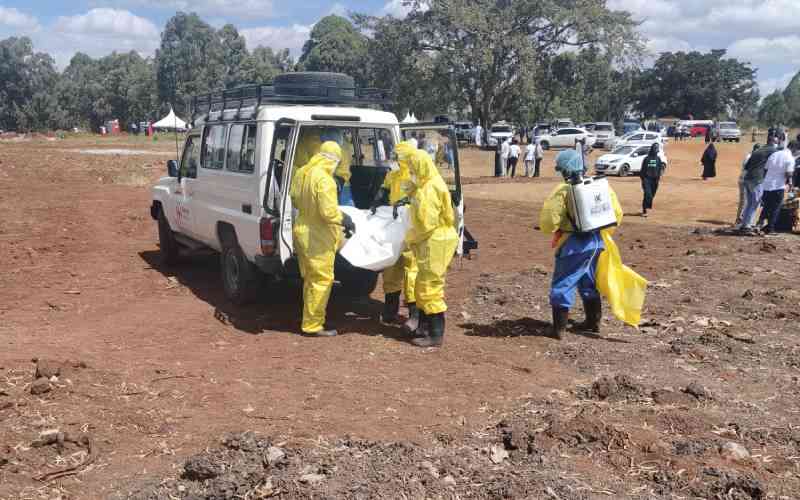
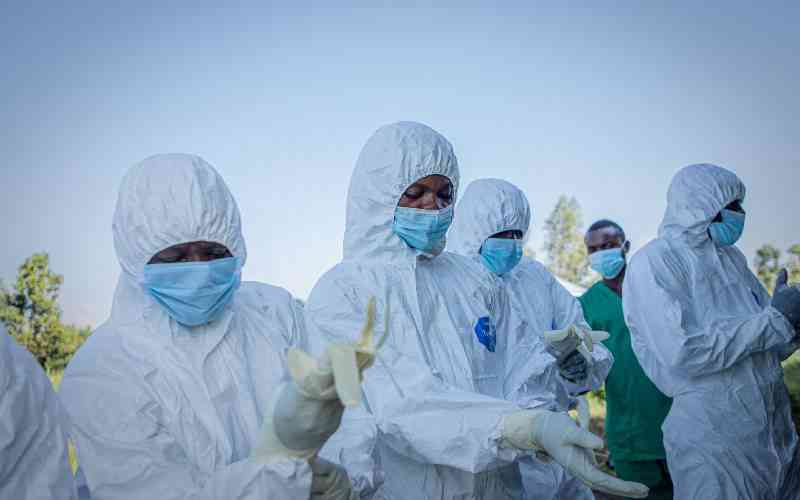
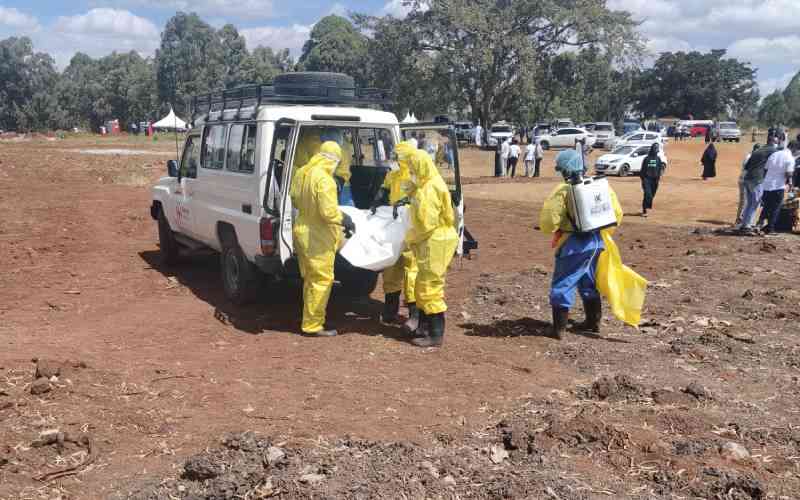
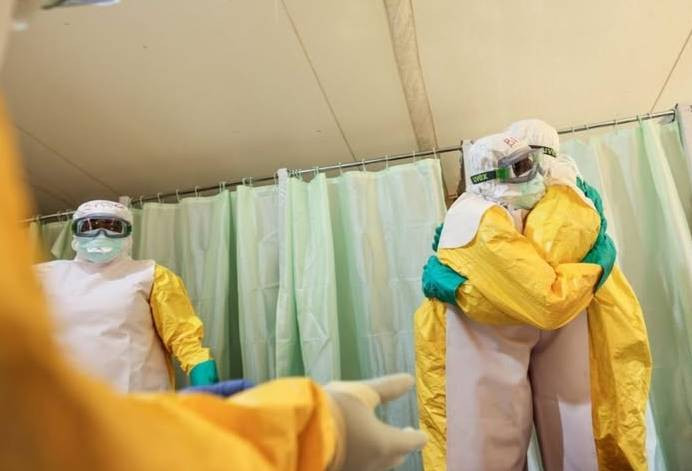
Infection prevention and control measures have also been strengthened at quarantine and treatment facilities, with protective equipment provided to medical personnel.
The response is being coordinated under national public health regulations, while the World Health Organization has been notified. Kenya has not imposed restrictions on travel, trade or public gatherings.
Amoth urged Kenyans to remain calm, avoid speculation and seek medical attention promptly if symptoms develop.
“Ebola is not spread through the air; it spreads through direct contact with the blood or body fluids of a person who is sick with, or has died from, the disease,” he said.
He advised anyone experiencing fever, unusual tiredness, muscle or joint pains, vomiting, diarrhoea or unexplained bleeding to seek care at the nearest health facility.







 join
join