
 The Standard Group Plc is a multi-media organization with investments in media
platforms spanning newspaper print
operations, television, radio broadcasting, digital and online services. The
Standard Group is recognized as a
leading multi-media house in Kenya with a key influence in matters of national
and international interest.

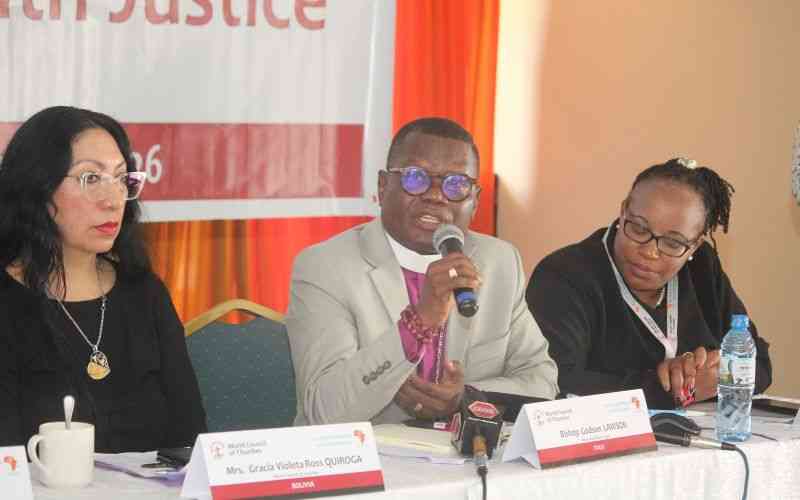
Kenya is facing the prospect of reduced international funding for HIV, tuberculosis and malaria programmes over the 2027–2030 period, raising concerns over the sustainability of interventions that millions of people depend on.
The anticipated reduction comes at a time when international health assistance is coming under increasing pressure, threatening gains made in the prevention and treatment of the three diseases.
Faith leaders, representatives of affected communities and young advocates have warned that declining donor support could weaken essential health services, particularly community-based programmes that reach vulnerable populations.
They called on international partners to honour their financial commitments, cautioning that efforts to promote sustainable health financing must not become a justification for withdrawing support from countries that still depend on external assistance.
“Sustainability must not become a justification for withdrawing international solidarity. It is not an exit strategy from partnership but rather the ultimate test of our solidarity and shared responsibility,” Reverend Amber Itohan said.
The leaders said governments must strengthen domestic resource mobilisation and protect health budgets, but maintained that financing the response to HIV, TB and malaria remains a shared responsibility between national governments, donors and communities.
They further warned against shifting the burden of financing gaps to communities, saying prevention programmes, peer education, community-led monitoring and services for marginalised populations must be protected as countries prepare for the next Global Fund funding cycle.
Jerop Limo, representing affected communities and young people, said community structures had played a critical role in sustaining the response to the three diseases and should not be weakened by financing uncertainties.
- Africa must own its health crisis
- Why quality standards matter in outpatient care
- Health spending rises by Sh37b to plug donor gap
Keep Reading
She said community members had served as peer educators, mobilisers and advocates, often acting as the link between health facilities and people who need services.
“We are not asking to be carried. We are actually asking to be recognised, resourced with money, trusted and given the power to influence decisions that directly affect our lives,” she said.
Limo warned that weakening community structures would undermine the very interventions that had sustained the response over the years.
“We cannot talk about sustainability while weakening the very community that has made this response work for decades,” she said.
The leaders also called for affected communities, civil society organisations and faith-based groups to have meaningful representation in national health financing and decision-making processes.
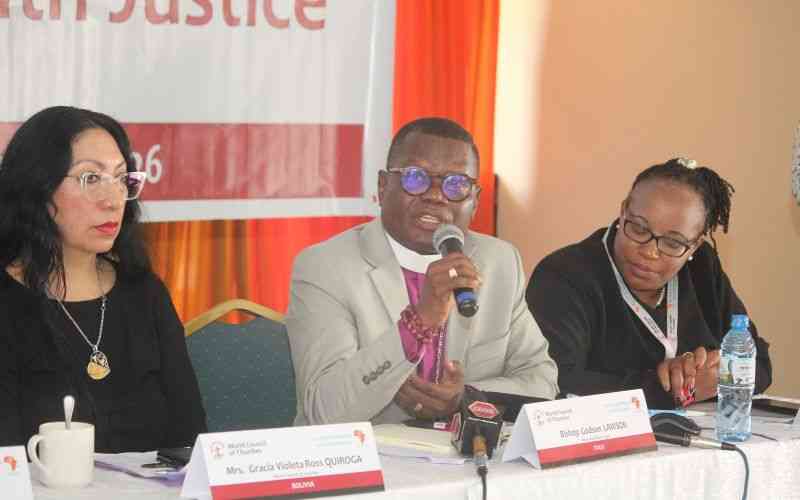
Bishop Godson Lawson, the presiding bishop of the Methodist Church of Togo, said religious institutions also had a responsibility to strengthen HIV prevention, particularly as new infections continue to occur in communities.
“Prevention is the key point today because people are still being infected in our communities,” he said, urging religious leaders to mobilise communities and additional resources towards prevention.
The meeting also called for equitable access to new prevention tools, diagnostics and treatment, arguing that scientific innovations would only make a difference if they were affordable and accessible to the people who need them most.
The leaders said commitments to ending AIDS, TB and malaria must be matched with adequate financing, community participation and accountability from governments and development partners.




 join
