×

The Standard e-Paper
Kenya's Bold Newspaper
 The Standard Group Plc is a multi-media organization with investments in media
platforms spanning newspaper print operations, television, radio broadcasting,
digital and online services. The Standard Group is recognized as a leading
multi-media house in Kenya with a key influence in matters of national and
international interest.
The Standard Group Plc is a multi-media organization with investments in media
platforms spanning newspaper print operations, television, radio broadcasting,
digital and online services. The Standard Group is recognized as a leading
multi-media house in Kenya with a key influence in matters of national and
international interest.

Audio By Vocalize

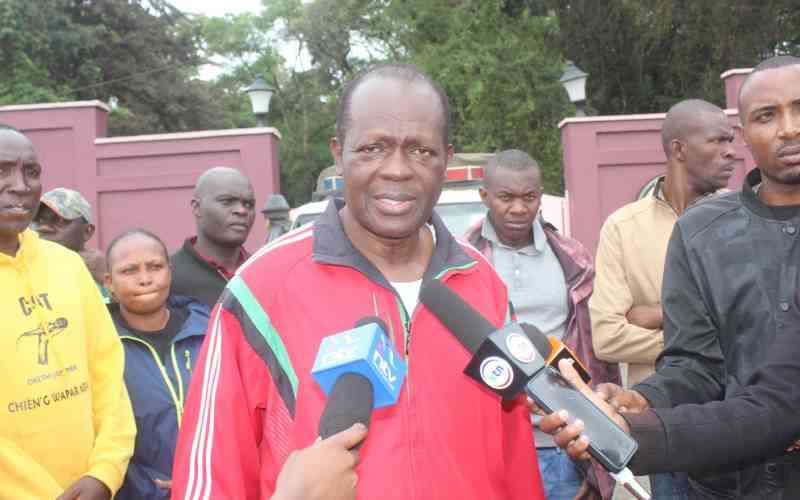
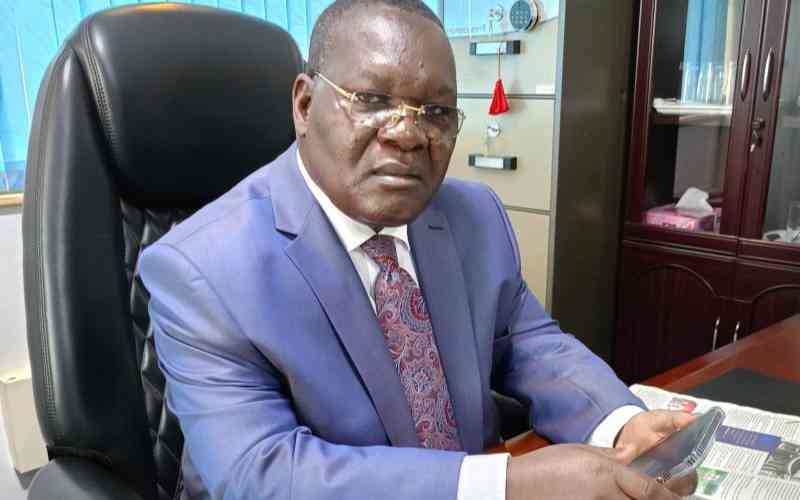
Kenya Nuclear Regulatory Authority chairman Edick Anyanga. [File, Standard]
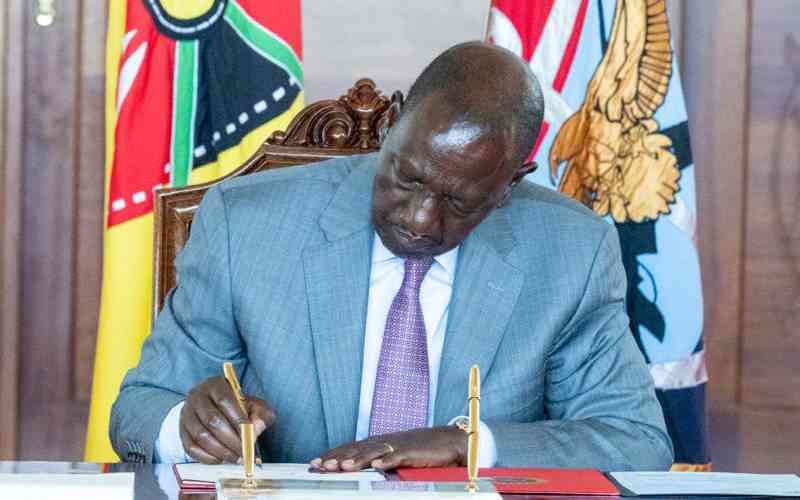
President William Ruto has reappointed former MP Omondi Anyanga to chair the Kenya Nuclear Regulatory Authority (KNRA) board.
According to a Gazette notice released on Saturday, Mr Anyanga’s reappointment takes effect on March 13, 2026, for the next three years. He first assumed the role in February 2023.
Mr Anyanga's tenure was marked by efforts to strengthen regulatory capacity and deepen cooperation with international nuclear watchdogs.
The reappointment, sector insiders say, gives him the onerous task of ensuring continuity as Kenya advances the regulatory groundwork needed for its ambitious nuclear power development.
KNRA is mandated to regulate the safe, secure and peaceful use of nuclear science and technology.
Its responsibilities include licensing nuclear facilities, monitoring radiation practices, and ensuring compliance with international safety standards.
The Nuclear Power and Energy Agency (NuPEA) and Kenya Electricity Generating Company (KenGen) entered a deal establishing a joint framework to establish Kenya’s first nuclear power plant by 2034.
Under the agreement, KenGen will be designated as the owner and operator of the country’s first nuclear power plant, while NuPEA continues to lead the national nuclear development programme, including planning, stakeholder engagement and technical coordination.
However, KNRA has the overall regulatory role in the rollout of the nuclear power programme.
Most countries, especially in the Global South, rely on hydroelectric power. For Kenya, the country’s total installed energy capacity comprises 863 MW geothermal, 838 MW hydro, 436 MW wind, 2 MW biomass, 173 MW solar and 678 MW of thermal.
The first nuclear power plant is expected to inject between 1,000 and 2,000 MW into the national grid in its initial phase.
With Mr Anyanga’s new term now underway, stakeholders will be watching how the board under his chairmanship steers the authority through the next phase of Kenya’s nuclear regulatory development and engagement with international nuclear safety frameworks.
The government acknowledges that the country doesn’t produce enough electricity, which has led to power rationing and occasional load-shedding. President Ruto says that expanding capacity, including nuclear power, is necessary for the country to industrialise.
Stay informed. Subscribe to our newsletter
Subscribe to our newsletter and stay updated on the latest developments and special offers!








 join
join