×

The Standard e-Paper
Kenya's Bold Newspaper
 The Standard Group Plc is a multi-media organization with investments in media
platforms spanning newspaper print operations, television, radio broadcasting,
digital and online services. The Standard Group is recognized as a leading
multi-media house in Kenya with a key influence in matters of national and
international interest.
The Standard Group Plc is a multi-media organization with investments in media
platforms spanning newspaper print operations, television, radio broadcasting,
digital and online services. The Standard Group is recognized as a leading
multi-media house in Kenya with a key influence in matters of national and
international interest.

Audio By Vocalize

Heritage Insurance Kenya extends private health cover to Kenyans aged up to 85, a bracket most rivals decline to underwrite.
Kenya's private insurance market continues to shrink as a share of the economy, even as providers expand into segments long considered difficult to underwrite.
Insurance penetration fell to 2.2 per cent of gross domestic product (GDP) in the first half of 2025, down from 2.4 per cent in 2024, according to data from the Insurance Regulatory Authority (IRA) and the Central Bank of Kenya (CBK). The figure compares with a global average of 7.4 per cent, according to the Allianz Global Insurance Report 2025.
Private health insurance covers about four per cent of Kenyans, while social health coverage reached 17 per cent as of 2023, according to a December 2024 BMJ Open study.
Analysts cite low voluntary uptake and reliance on mandatory schemes as key factors behind stagnant penetration.
Coverage gaps remain most pronounced among elderly people and children outside family care systems, groups often excluded from standard underwriting and left to out-of-pocket medical payments.
Some insurers have begun developing age-based and institutional group products to spread risk across defined populations, though uptake remains limited.
Heritage Insurance Kenya has introduced two products targeting those segments. HeriAfya Seniors covers people aged 61 to 85 across three age bands, with inpatient limits rising to Sh5 million annually and entry-level premiums starting at Sh40,500 per year.
Benefits include cancer treatment, psychiatric care, home recovery support and funeral expense cover. Chronic and pre-existing conditions are covered after a 12-month waiting period.
The insurer also launched HeriAfya Juniors, a group product for children aged four to 18 in institutions including schools, orphanages and non-governmental organisation (NGO) welfare programmes.
The product requires a minimum of 10 children per policy. Inpatient cover starts at Sh8,929 per child per year, with outpatient cover at Sh15,403.
Benefits include cancer treatment, HIV and AIDS cover, organ transplant services and mental health care.
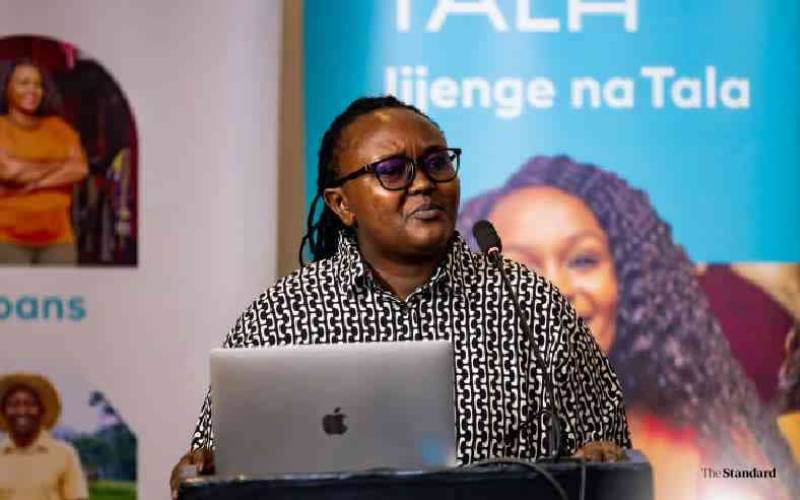
"Kenya's institutional sector has grown significantly, and the complexity of healthcare costs has increased in parallel," said Rosalyn Mugoh, Managing Director, Heritage Insurance Kenya.
She said the products aim to address a protection gap affecting elderly people excluded from private cover and children in institutional care.
Jubilee Insurance, Old Mutual Kenya and CIC Group also offer products targeting older clients, though most cap eligibility at 80 years. Heritage extends eligibility to 85 and includes chronic and pre-existing conditions after a 12-month waiting period.
Stay informed. Subscribe to our newsletter
Institutional child cover remains limited, with most existing products requiring individual parental enrolment, restricting access for orphanages and NGO-run facilities.
Kenya's insurance market is projected to reach $8.35 billion by 2025 and $9.71 billion by 2030, supported by insurtech expansion, regulatory reforms and the transition from the National Hospital Insurance Fund (NHIF) to the Social Health Authority (SHA).



Subscribe to our newsletter and stay updated on the latest developments and special offers!










 join
join