×

The Standard e-Paper
Join Thousands of Readers
 The Standard Group Plc is a multi-media organization with investments in media
platforms spanning newspaper print operations, television, radio broadcasting,
digital and online services. The Standard Group is recognized as a leading
multi-media house in Kenya with a key influence in matters of national and
international interest.
The Standard Group Plc is a multi-media organization with investments in media
platforms spanning newspaper print operations, television, radio broadcasting,
digital and online services. The Standard Group is recognized as a leading
multi-media house in Kenya with a key influence in matters of national and
international interest.

Audio By Vocalize
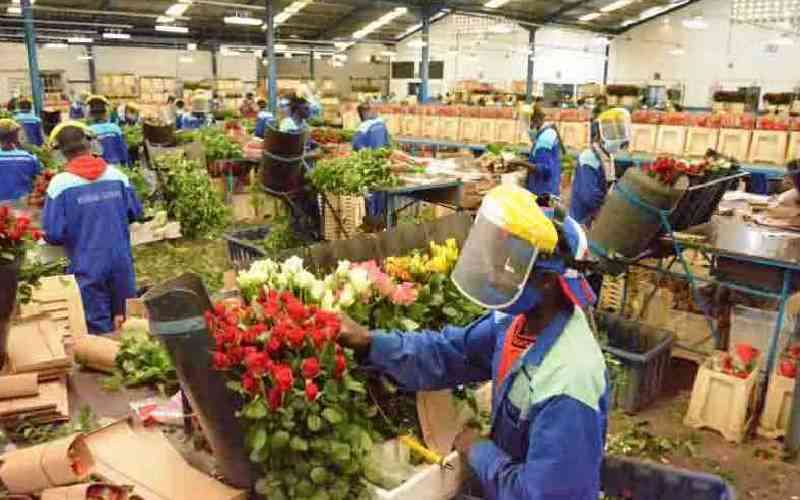
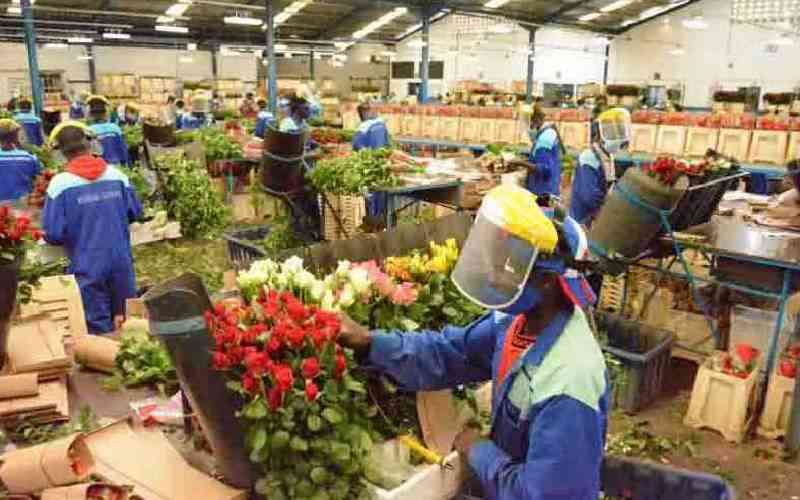
Workers at the Maridadi flower farm in Naivasha. [File, Standard]
The High Court has temporarily stopped the Nakuru County Government from imposing a Sh400-per-tonne cess on flower exporters operating within the county.
Justice Julius Nangea, presiding in Nakuru, also ordered the unconditional release of all consignments and trucks impounded by the county government.
He said the court will give further directions on June 29, 2026.
“This applicant is certified as urgent, and the applicant's prayers are Sh400 per tonne. The respondent is given seven days to file and serve his response,” said the judge.
The decision came after a successful application by the Kenya Flower Council (KFC) to stop county revenue officers from collecting cess from farmers.
Over the past month, farmers have faced significant losses after trucks carrying perishable goods were impounded, with the county demanding a Sh400-per-tonne cess.
The Council sought court certification of the matter as urgent and requested an order suspending collection until the case could be heard and decided.
KFC also asked for orders to prevent county officers from harassing, arresting, or impounding farmers' vehicles for allegedly failing to comply with the new county Agricultural Products Cess Act.
Recently, county revenue and enforcement officers impounded dozens of lorries carrying flowers and demanding cess over the past nine months.
The Kenya Flower Council CEO Clement Tulezi, said they sought legal intervention over the county’s decision to collect cess.
“We have gone to court seeking to stop this illegal collection of cess by Nakuru Court, and I don’t want to get into the details as the matter is yet to be decided,” he said.
Tulezi said that in 2018, the High Court heard and ruled on the matter, declaring it illegal, as farmers were already paying various levies to the national government.
A senior county officer, who declined to be named, noted that all farmers were supposed to pay the Agricultural Products Cess, enacted by the county assembly in 2023.
“This cess was enacted three years ago, and horticulture farmers are expected to pay Sh400 per tonne, but many have ignored this, prompting enforcement,” said the officer.
Stay informed. Subscribe to our newsletter
According to Patrick Mbugua, general manager of Wildlife Roses in Naivasha, production costs have increased by over 40 per cent, while flower prices have remained unchanged.
Mbugu blamed this on the rise in taxes and levies within the industry, which has hindered expansion and employs over 200,000 people.
“The price of calcium nitrate, one of the sector’s key components, has doubled in the last three months since the Iran war started, and this affects production,” he said.
Mbugu regretted that despite the High Court declaring cess levies illegal, some counties continue to impose cess on horticultural products.
“We have seen Nakuru County reintroducing cess, yet this issue was addressed by the High Court back in 2018 and declared illegal,” he said.

Subscribe to our newsletter and stay updated on the latest developments and special offers!













 join
join