×

The Standard e-Paper
Read Offline Anywhere
 The Standard Group Plc is a multi-media organization with investments in media
platforms spanning newspaper print operations, television, radio broadcasting,
digital and online services. The Standard Group is recognized as a leading
multi-media house in Kenya with a key influence in matters of national and
international interest.
The Standard Group Plc is a multi-media organization with investments in media
platforms spanning newspaper print operations, television, radio broadcasting,
digital and online services. The Standard Group is recognized as a leading
multi-media house in Kenya with a key influence in matters of national and
international interest.

Audio By Vocalize
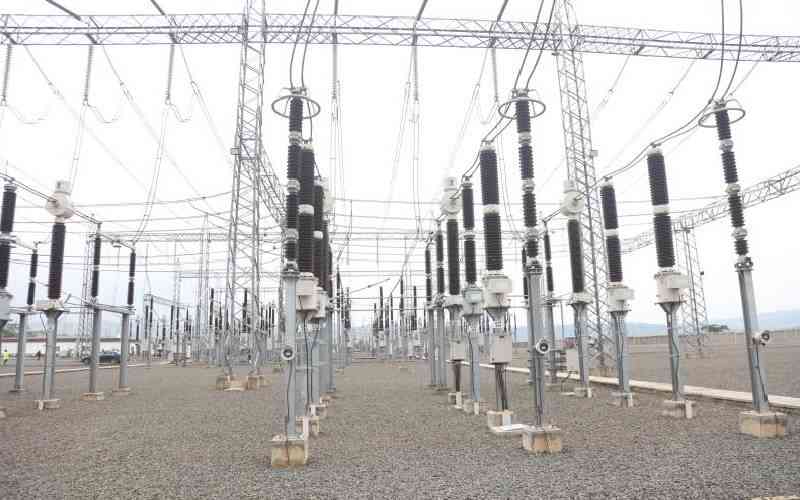
An Australian energy group that has made significant gas discoveries in Zimbabwe is setting up a pilot project for the country's first own gas-to-power supply that would potentially extend into electricity-hungry southern Africa.
The project could transform energy security in resource-rich Zimbabwe, which is developing its mining sector and has faced shortages in a power supply reliant on coal and rainfall-dependent hydropower.
A government report published last year, drawing on World Bank data, estimated those shortages cost the economy 6.1 percent of GDP in 2022, driven by both generation inefficiencies and network losses.
Invictus Energy, the only oil and gas company operating in the country, expects to launch a pilot providing power to a gold mine in 12 to 18 months, chief executive Scott Macmillan told AFP in an interview.
The Perth-based company will meanwhile this year drill a new exploration well in the northern Cabora Bassa Basin -- where it made major discoveries in 2023 -- after securing agreements with the government earlier this year, Macmillan said.
The pilot will "prove the concept that we can produce gas, process it, deliver it to our customers, get all the approvals in place from government... and then get paid," he said.
"And from there, we're scaling up into a commercial-size project".
Macmillan said the company, in operation in Zimbabwe since 2018, expected to be able to move from the pilot to full-field production in two to three years.
"We are going to take a phased approach because it is a new industry, and the markets -- although crying out for energy -- don't formally exist for gas without that infrastructure in place and that ecosystem that works," he said.
The quantity of gas available for exploitation still had to be determined but was estimated to be trillions of cubic feet, with one trillion able to provide about 500 megawatts of power -- enough for 250,000 conventional homes -- per year for 20 years, he said.
Zimbabwe currently sources most of its electricity from a coal-powered plant in Hwange with production at a key hydropower dam at Kariba that can be limited by low rainfall or drought.
"We see a huge domestic demand in Zimbabwe for gas, and that will be mainly in the form of power," Macmillan said.
There was also the potential to send power into neighbouring South Africa and Zambia, which both have major mining industries, he said. "So you can produce locally and sell regionally."
The project was boosted by a landmark production-sharing agreement signed with the government in May that is a blueprint for the emerging sector in Zimbabwe.
The agreement "provides for a stable fiscal and regulatory framework to facilitate petroleum exploration, deployment, production and marketing in Zimbabwe," Finance Minister Mthuli Ncube said after the signing.
Stay informed. Subscribe to our newsletter
"The government appreciates the significant capital technology expertise and risks that investors have undertaken in this petroleum exploration project," he said in a report by the local ZBC broadcaster.
Subscribe to our newsletter and stay updated on the latest developments and special offers!











 join
join