×

The Standard e-Paper
Join Thousands of Readers
 The Standard Group Plc is a multi-media organization with investments in media
platforms spanning newspaper print operations, television, radio broadcasting,
digital and online services. The Standard Group is recognized as a leading
multi-media house in Kenya with a key influence in matters of national and
international interest.
The Standard Group Plc is a multi-media organization with investments in media
platforms spanning newspaper print operations, television, radio broadcasting,
digital and online services. The Standard Group is recognized as a leading
multi-media house in Kenya with a key influence in matters of national and
international interest.

Audio By Vocalize
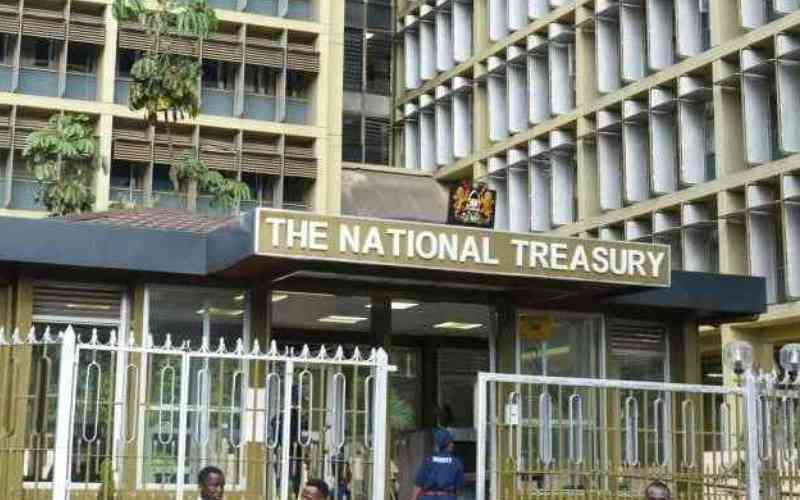
Kenya devotes nearly three times more government revenue to external debt repayments than to health, according to a new report that argues the International Monetary Fund (IMF) continues to promote austerity policies that limit investment in public services.
The report, Still Cooking with a Failed Recipe, released on Tuesday, analysed 29 IMF documents across 11 countries between February 2022 and February 2025.
It found that 73 per cent of IMF recommendations focused on fiscal consolidation, including spending cuts and wage bill restrictions, while only a fraction supported expanding public services or social protection.
Produced by ActionAid, Education International (EI) and the Tax and Education Alliance (TEA), the report found Kenya spends about 29 per cent of government revenue on external debt servicing, compared with 9 per cent on health and 18 per cent on education, limiting investment in healthcare, education and social protection.
The report said IMF-backed recommendations to extend hiring restrictions and limit wage growth could worsen shortages of teachers, nurses and other frontline workers as demand for public services rises.
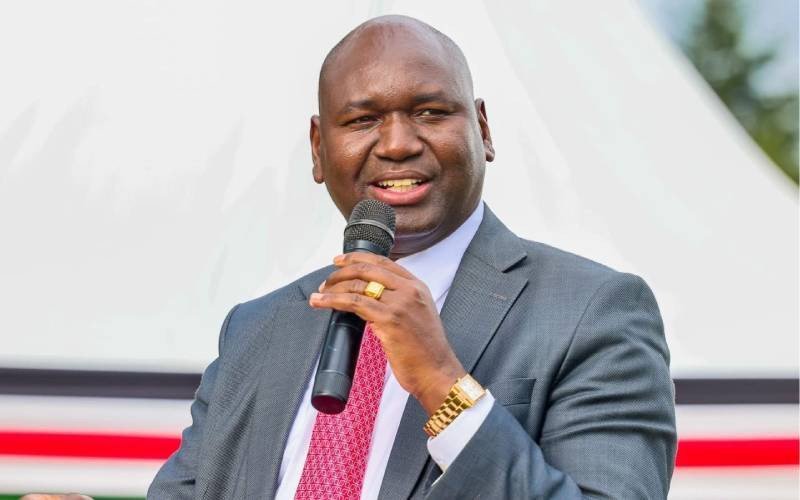
"While the IMF has increasingly adopted the language of gender equality, social protection and inclusive growth, our findings show that its policy prescriptions remain rooted in austerity. These policies continue to place the burden of economic adjustment on ordinary citizens, particularly women and low-income households," said Kitasi Wanga, ActionAid Kenya's interim programmes and strategy lead.
Across the countries reviewed, the report said that while the IMF speaks of protecting vulnerable groups, its fiscal rules continue to favour spending cuts.
The report also contrasts IMF advice to wealthier economies with its recommendations for poorer countries.
The United Kingdom (UK), which spends 15.9 per cent of gross domestic product (GDP) on its public workforce, is encouraged to expand public spending, while Nigeria and Nepal, which spend 1.9 per cent and 2.5 per cent respectively, face pressure to contain spending to meet debt obligations.
African countries spend an average of 7.6 per cent of their national budgets on public sector wages, below the global average of 9 per cent, yet many still face pressure to freeze spending in key sectors, the report said.
ActionAid Secretary-General Arthur Larok said the IMF has become a debt enforcer rather than a development partner.
He noted that three-quarters of lower-income countries now spend more on debt repayments than on healthcare, yet the IMF continues to oppose widespread debt cancellation.
The analysis found women bear a disproportionate share of austerity's costs, making up a large share of workers in health, education and social services and carrying out most unpaid care work within households when those services shrink.
The report urges governments and international financial institutions to pursue progressive taxation, restructure debt and increase investment in health, education and social protection.
"Kenya cannot achieve sustainable development while debt repayments continue to take precedence over investments in people," said Wanga.
Stay informed. Subscribe to our newsletter
Subscribe to our newsletter and stay updated on the latest developments and special offers!








 join
join