×

The Standard e-Paper
Informed Minds Prefer The Standard
 The Standard Group Plc is a multi-media organization with investments in media
platforms spanning newspaper print operations, television, radio broadcasting,
digital and online services. The Standard Group is recognized as a leading
multi-media house in Kenya with a key influence in matters of national and
international interest.
The Standard Group Plc is a multi-media organization with investments in media
platforms spanning newspaper print operations, television, radio broadcasting,
digital and online services. The Standard Group is recognized as a leading
multi-media house in Kenya with a key influence in matters of national and
international interest.

Audio By Vocalize
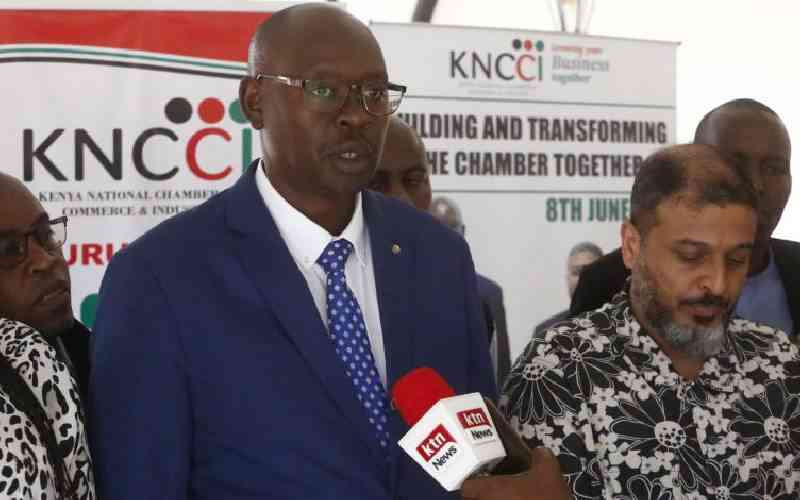
Kenya and Dubai have launched the Kenya Business Council to boost trade and investment as both countries deepen economic ties under the Kenya-United Arab Emirates Comprehensive Economic Partnership Agreement (CEPA).
The council, established by the Dubai Chamber of Commerce, held its inaugural meeting at the Dubai Chambers headquarters to connect businesses and identify new investment opportunities.
"The new Kenyan Business Council is an important platform for strengthening trade and investment partnerships between Dubai and Kenya. It also plays a pivotal role in exploring new avenues for bilateral cooperation across various sectors, contributing to stimulating economic growth and establishing sustainable strategic partnerships between the business communities of both sides," said Maha Al Gergawi, Vice President of Business Community Support at Dubai Chambers.
The launch comes as Kenya and the United Arab Emirates expand economic cooperation through CEPA, which aims to lower trade barriers and encourage investment.
Dubai Chambers said 146 Kenyan companies joined the Dubai Chamber of Commerce in 2025, bringing the total number of active Kenyan businesses to 587, a 9.7 per cent increase from the previous year.
Non-oil trade between Dubai and Kenya reached AED13.6 billion, about KSh480 billion, during the same period, marking a 2.1 per cent increase from a year earlier.
The council will represent Kenyan businesses and professionals in the United Arab Emirates while supporting networking, partnerships and market access across the Gulf region.
Its launch follows the opening of the Kenya National Chamber of Commerce and Industry (KNCCI) office in Dubai earlier this year to support Kenyan exporters.
"The office will provide due diligence services, payment protection mechanisms and real-time market intelligence to reduce trade disputes and payment defaults that have cost Kenyan exporters billions of shillings over the years," explained KNCCI President Erick Rutto.
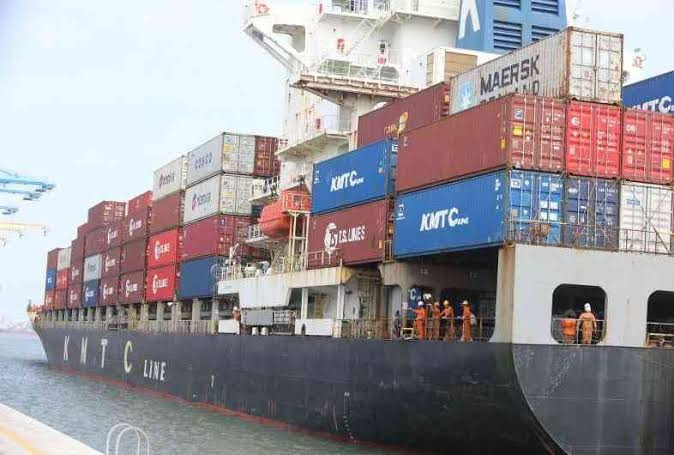
Kenya exports tea, coffee, cut flowers, fresh fruits, vegetables, meat and other agricultural products to the United Arab Emirates while importing petroleum products, machinery, transport equipment, chemicals, electronics and manufactured goods.
Subscribe to our newsletter and stay updated on the latest developments and special offers!













 join
join