×

The Standard e-Paper
Informed Minds Prefer The Standard
 The Standard Group Plc is a multi-media organization with investments in media
platforms spanning newspaper print operations, television, radio broadcasting,
digital and online services. The Standard Group is recognized as a leading
multi-media house in Kenya with a key influence in matters of national and
international interest.
The Standard Group Plc is a multi-media organization with investments in media
platforms spanning newspaper print operations, television, radio broadcasting,
digital and online services. The Standard Group is recognized as a leading
multi-media house in Kenya with a key influence in matters of national and
international interest.

Audio By Vocalize

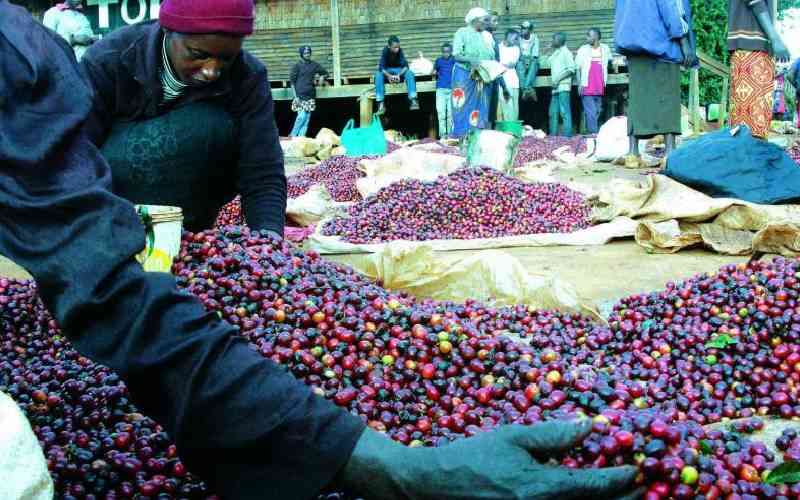
East African food producers could gain greater access to regional markets and cut costly delays following renewed efforts to eliminate non-tariff barriers that have long hampered cross-border agricultural trade.
The Intergovernmental Authority on Development (IGAD), working with the African Continental Free Trade Area (AfCFTA) Secretariat, is pushing member states to fast-track Mutual Recognition Agreements (MRAs) aimed at making trade in agricultural products easier and more predictable.
The proposed framework would allow accredited inspection, testing and certification results from one-member state to be recognised by another, ending the practice of subjecting consignments to duplicate checks at border points.
For farmers, processors and traders, the reforms could translate into lower transport costs, reduced post-harvest losses and faster access to consumers across the region.
Kenya’s State Department of Agriculture Director of Policy Kennedy Anahinga said harmonising regulatory systems was essential to unlocking the economic potential of regional trade.
“Advancing MRAs is not a technical exercise for regulators alone; it is a trade facilitation agenda that speaks directly to jobs, incomes, and food systems resilience across our region,” Anahinga said.
Kenya became the first country to ratify the AfCFTA agreement in 2019 and is now aligning its certification infrastructure with continental standards to facilitate movement of locally produced goods.
The push comes against the backdrop of findings from the 2025 IGAD Regional Agricultural Trade Assessment Study, which identified fragmented quality infrastructure and the absence of reciprocal recognition frameworks as major obstacles to regional commerce.
Agricultural consignments currently face repeated sampling, testing and lengthy laboratory clearance procedures at entry points.
Such delays can be particularly damaging for perishable products, increasing freight costs and contributing to post-harvest losses.
Assistant Director of Agriculture Evelyne Heyi said mutual recognition would strengthen confidence among countries while making trade flows more predictable.
“Mutual Recognition Agreements will not only reduce costs and delays but also build confidence among trading partners, enabling our agricultural sector to thrive under AfCFTA,” she said.
The initiative is being implemented under the Food Systems Resilience Program (FSRP), which prioritises stronger sanitary and phytosanitary systems and the adoption of digital certification.
At the regional level, AfCFTA Head of Non-Tariff Measures and Barriers Elimination Deneswaree Mohun stressed the importance of digitising inspection procedures to improve transparency while protecting consumers.
But IGAD’s Dr Mohy Tahomi cautioned that agreements alone would not guarantee smoother trade.
Stay informed. Subscribe to our newsletter
“An agreement on paper will not be enough. The real success of the MRA will be measured by what happens at our borders, in our laboratories, in our certification bodies, and ultimately in the hands of our traders and producers,” Tahomi said.



Subscribe to our newsletter and stay updated on the latest developments and special offers!










 join
join