×

The Standard e-Paper
Truth Without Fear
 The Standard Group Plc is a multi-media organization with investments in media
platforms spanning newspaper print operations, television, radio broadcasting,
digital and online services. The Standard Group is recognized as a leading
multi-media house in Kenya with a key influence in matters of national and
international interest.
The Standard Group Plc is a multi-media organization with investments in media
platforms spanning newspaper print operations, television, radio broadcasting,
digital and online services. The Standard Group is recognized as a leading
multi-media house in Kenya with a key influence in matters of national and
international interest.

Audio By Vocalize

Kenya must embrace Artificial Intelligence to raise productivity, expand manufacturing and position the country to compete in demanding global markets.
Prof. Karuti Kanyinga, a Research Professor of Development Studies at Institute for Development Studies (IDS), said Kenya and the wider continent risk falling behind if academia, businesses and policymakers continue treating emerging technologies primarily as a threat rather than an opportunity to increase human productivity.
He noted that international markets, particularly in Europe and North America, are becoming increasingly demanding, with businesses expected to meet stringent requirements on clean energy, ethical supply chains and output efficiency.
“African scientists are worried about technology and losing jobs to it, rather than asking how to use technology to scale up,” Kanyinga said.
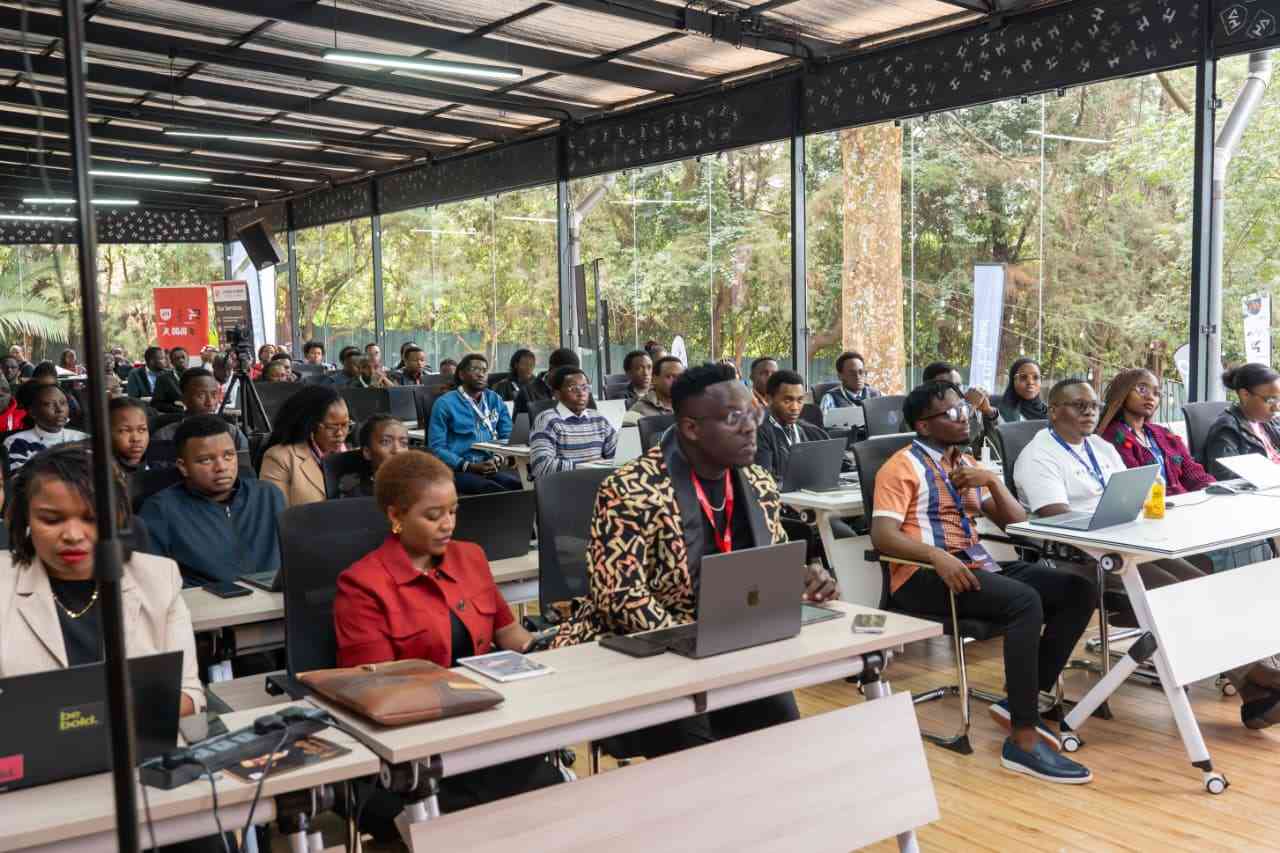
This emerged at the University of Nairobi’s IDS during a public debate co-hosted with Gatsby Africa under the theme, “Debating Evidence on Growth: A Postgraduate Seminar on Kenya’s Economic Potential and Future.”
He challenged Kenyan researchers and enterprises to rethink productivity by asking how much an individual worker can produce within an hour when supported by modern technology.
“In a competitive global market, what does one person produce in that one hour?” he posed, urging businesses to abandon a defensive attitude towards technology and instead use it to multiply output and meet international standards.
Kanyinga pointed to Morocco as an example of what deliberate industrial transformation can achieve.
"The North African country’s growth in clean energy and automotive manufacturing. Investment in innovation and surplus productive capacity can allow African economies to compete in areas traditionally dominated by developed countries," Kanyinga said.
But technology alone will not transform Kenya’s economy.
Development studies expert Abigael Kariuki warned that the country must also break away from dependence on exporting raw agricultural commodities.
She argued that shipping raw tea and unprocessed coffee beans denies Kenya opportunities to capture greater value, create jobs and strengthen domestic industrial capacity.
“We need to export value-added products and not raw products. We need to increase investment in commercial horticulture, textiles, pharmaceuticals and electronics assembly," she said.
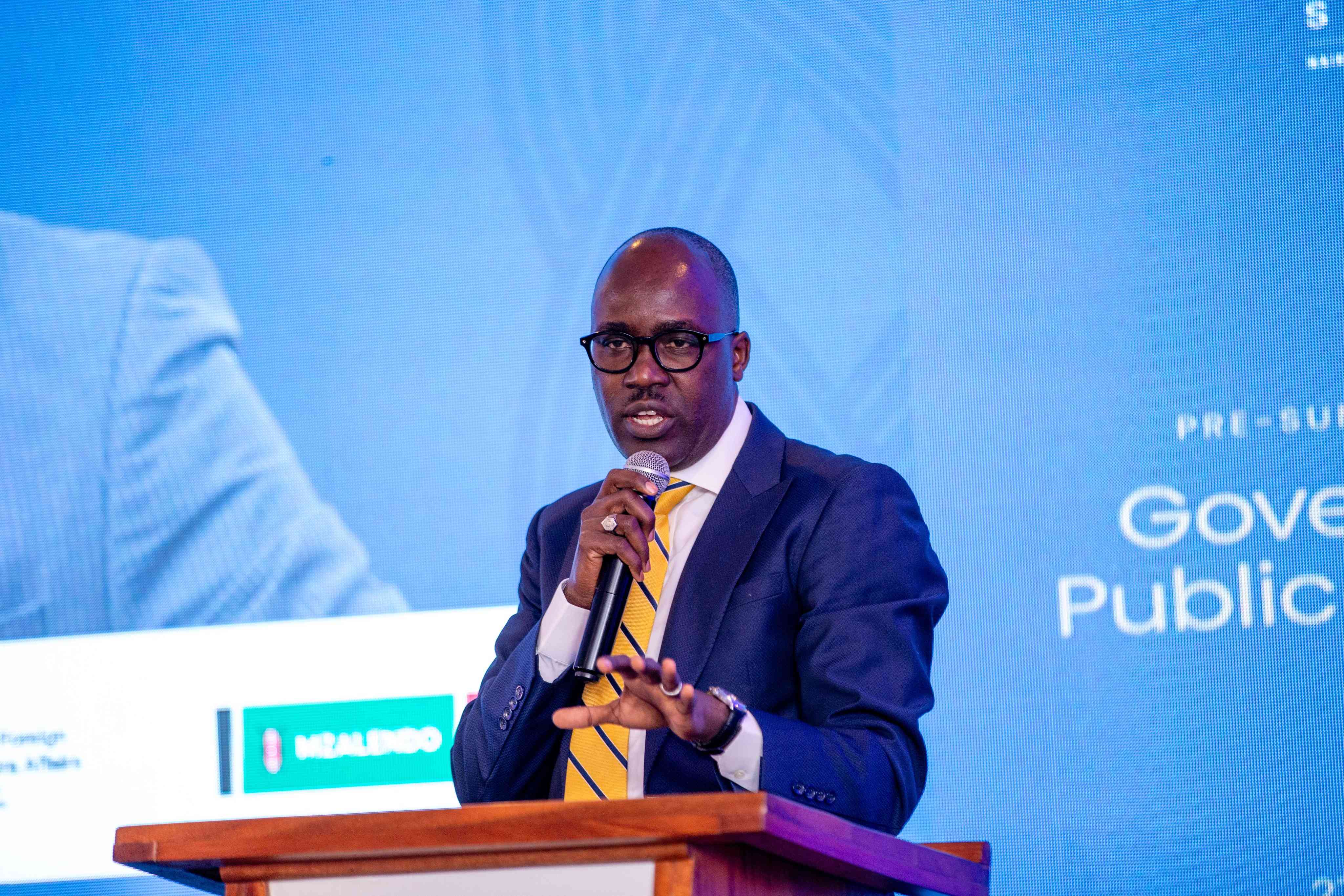
Gatsby Africa Country Director Dr. Samuel Kareithi cautioned against pursuing economic transformation through short-lived projects.
"Kenya cannot achieve a high-value manufacturing and export economy through fragmented market forces alone," he said.
Stay informed. Subscribe to our newsletter
He advocated for 10-to-20-year transformation horizons, supported by patient capital targeted at difficult sectors where solving structural bottlenecks could generate jobs, exports and foreign exchange.
Kareithi also placed responsibility on government to provide the policy environment necessary for industrial growth.
"The State must act as a strategic coordinator by providing predictable policies, directing public resources towards priority sectors and making difficult structural choices required to compete globally."


Subscribe to our newsletter and stay updated on the latest developments and special offers!











 join
join