×

The Standard e-Paper
Truth Without Fear
 The Standard Group Plc is a multi-media organization with investments in media
platforms spanning newspaper print operations, television, radio broadcasting,
digital and online services. The Standard Group is recognized as a leading
multi-media house in Kenya with a key influence in matters of national and
international interest.
The Standard Group Plc is a multi-media organization with investments in media
platforms spanning newspaper print operations, television, radio broadcasting,
digital and online services. The Standard Group is recognized as a leading
multi-media house in Kenya with a key influence in matters of national and
international interest.

Audio By Vocalize

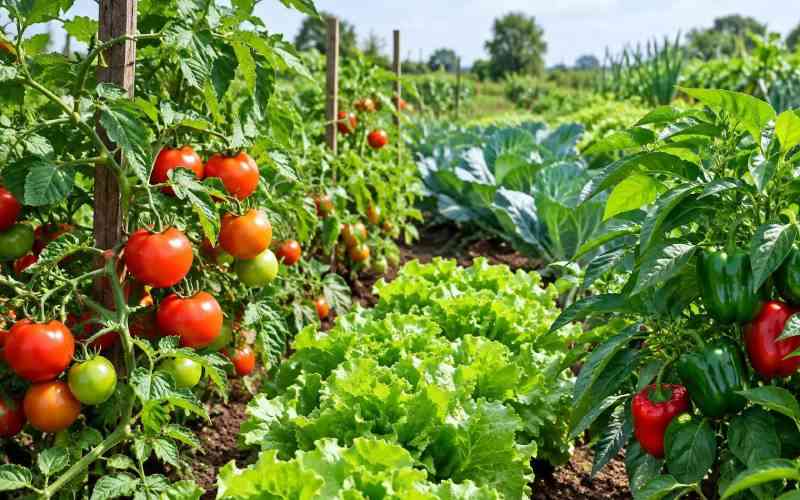
Eastern Africa's horticulture industry is being urged to treat logistics, cold-chain infrastructure and trade facilitation as strategic investments rather than support services if the region is to reduce post-harvest losses and compete more effectively in global markets.
Stakeholders at a two-day Regional Public-Private Dialogue on Horticultural Logistics and Trade Facilitation in Nairobi said the region must shift from addressing logistical problems individually to developing an integrated system that protects produce from the farm to the final market.
HoCEA Chairperson Dr Jacqueline Mkindi said the perishability of horticultural products makes efficiency throughout the supply chain particularly critical.
“Perishable goods can be produced to the highest standard, but their commercial value can quickly deteriorate if they encounter delays at a border, inadequate cooling, congested logistics systems or lengthy procedures before reaching the buyer,” she said.
The dialogue, held alongside the official launch of the Horticulture Council of Eastern Africa (HoCEA), brought together governments, national horticulture associations, exporters, logistics operators, development partners and other players across the value chain.
Dr Mkindi noted that horticultural products cannot withstand the same delays as durable commodities.
“The issue is particularly important because horticultural products are perishable. Unlike many manufactured goods, they cannot simply wait indefinitely for a truck, certificate, inspection or shipping slot,” Dr Mkindi said.
The solution, she added, requires the industry to look beyond production and strengthen every link in the supply chain.
“We must address the weaknesses throughout the value chain, from collection centres and cold storage to transport, market infrastructure and the capacity of farmers to meet market requirements,” she said.
The scale of the challenge is significant. Discussions at the Nairobi forum highlighted post-harvest losses estimated at between 30 and 80 per cent in some parts of the horticultural value chain.
Reducing these losses will require investment in cold-storage facilities closer to production areas, modern aggregation centres and refrigerated transport that can maintain appropriate temperatures as produce moves towards markets.
Rather than concentrating cold-chain investments in a few major facilities, stakeholders are advocating a distributed network linking farms and collection centres with processing and packing facilities, inland container depots, transport corridors, ports and overseas markets.
Such an approach would help prevent produce from being exposed to temperature fluctuations during the critical period between harvesting and shipment.
The Northern Corridor is expected to play an important role in this strategy because it connects production and trading centres in Eastern Africa with the Port of Mombasa.
Government representatives have called for increased investment in climate-smart cold storage and refrigerated capacity along the corridor and at inland logistics facilities.
Stay informed. Subscribe to our newsletter
The Nairobi dialogue also identified digitalisation as a practical way of reducing delays. Electronic cargo tracking, paperless documentation, digital certification and interoperability between government systems can reduce duplication, improve cargo visibility and allow authorities and businesses to identify bottlenecks before they become costly delays.
For HoCEA, one of the priorities will therefore be to bring governments, regulators and the private sector together to identify the most persistent logistical bottlenecks and agree on interventions that can be implemented across borders.
TradeMark Africa and other development partners have similarly emphasised efficient, inclusive and climate-resilient trade systems, including stronger quality infrastructure and digital connectivity.
Another solution being explored is a gradual shift from air freight to sea freight for horticultural products that can withstand longer transit times.
Eastern African exporters have traditionally relied heavily on air transport for highly perishable produce, but high freight costs and environmental concerns have increased interest in sea freight.
However, stakeholders caution that such a transition must be commercially viable.
Moving produce by sea will require dependable cold chains, efficient ports, predictable documentation, appropriate packaging and reliable temperature monitoring throughout the journey.
Clement Tulezi, Secretary General of HoCEA, said regional integration must ultimately be measured by what businesses experience on the ground.
“If a truck carrying vegetables remains unnecessarily delayed, integration has not reached that exporter,” he said.
For Tulezi, the answer lies in building systems that allow horticultural products to move quickly, efficiently and sustainably across the region.
“If HoCEA can help governments, industry and development partners coordinate investment in cold chains, digital systems and trade corridors, the potential gains could extend across the value chain—from farmers and aggregators to exporters, logistics companies and international buyers,” he said.
The Nairobi dialogue therefore placed several solutions on the regional agenda: expanding distributed cold-chain infrastructure; improving refrigerated transport; modernising border and port procedures; strengthening digital certification and cargo tracking; improving coordination along the Northern Corridor; and developing commercially viable sea-freight solutions.
Stakeholders also emphasised the importance of training farmers and other value-chain actors in post-harvest handling, packaging, quality standards and temperature management.
For Eastern Africa, the objective is to move from a system where losses and delays are treated as unavoidable costs of doing business to one where logistics are deliberately designed to protect quality and value.
The emergence of HoCEA provides a regional platform through which these interventions can be coordinated.

Subscribe to our newsletter and stay updated on the latest developments and special offers!











 join
join