×

The Standard e-Paper
Kenya's Bold Newspaper
 The Standard Group Plc is a multi-media organization with investments in media
platforms spanning newspaper print operations, television, radio broadcasting,
digital and online services. The Standard Group is recognized as a leading
multi-media house in Kenya with a key influence in matters of national and
international interest.
The Standard Group Plc is a multi-media organization with investments in media
platforms spanning newspaper print operations, television, radio broadcasting,
digital and online services. The Standard Group is recognized as a leading
multi-media house in Kenya with a key influence in matters of national and
international interest.

Audio By Vocalize

African businesses could save billions of shillings in transaction costs if countries remove barriers to cross-border payments, customs and infrastructure under the African Continental Free Trade Area (AfCFTA), its Secretary-General Wamkele Mene has said.
Mene said businesses trading within Africa can still rely on third currencies such as the US dollar to complete transactions, adding costs to trade that should take place within the continent.
He estimated that currency conversion costs associated with African trade amount to about Sh647.3 billion (US$5 billion) a year.
“We all have a contribution to creating a single integrated market,” Mene said.
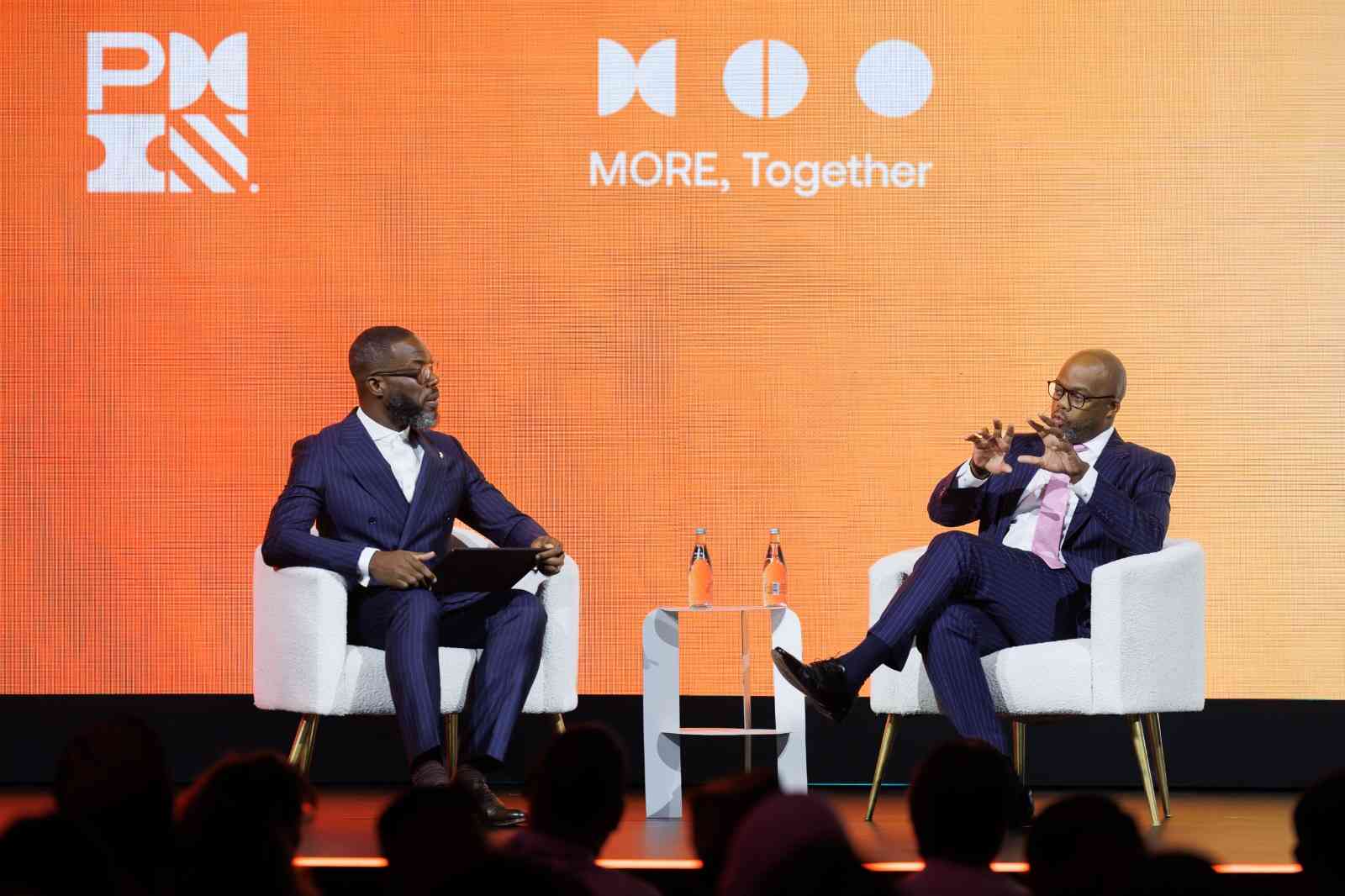
He spoke during a fireside discussion with George Asamani, Project Management Institute’s (PMI) Managing Director for Sub-Saharan Africa, at the institute’s Global Summit Series in Cape Town, South Africa.
Mene said African countries need to align national policies, modernise customs systems and expand cross-border payments in local currencies for businesses to benefit from the continental market.
He cited a transaction between businesses in Ghana and Kenya as an example of the barriers facing firms. Although both companies operate within Africa, they may need to convert their currencies through a third currency before completing a payment.
Mene pointed to the Pan-African Payment and Settlement System (PAPSS), developed by Afreximbank in collaboration with the AfCFTA Secretariat, as one way to reduce reliance on third currencies.
The system allows businesses to make cross-border payments in local currencies, reducing the need for currency conversions and making transactions between African markets easier.
The discussion also focused on the role of customs authorities and national governments in implementing AfCFTA commitments.
“A continental agreement becomes meaningful when a business can use it,” Asamani explained. “That depends on people who can coordinate institutions, manage risk, deliver reliable systems and keep the intended benefit in view.”
Asamani said project management skills could help governments and businesses turn continental trade commitments into systems that firms can use.
Mene also addressed concerns that opening markets could expose domestic industries to competition from larger or more established firms.
“We have rules that protect infant industries in a country,” he noted.
He said countries should assess potential losses and provide support to businesses affected by market liberalisation while pursuing domestic reforms that allow firms to compete in larger markets.
Stay informed. Subscribe to our newsletter
Mene also called for greater investment in project preparation, trade infrastructure and digital systems, saying physical infrastructure must work alongside customs processes and digital services.
He pointed to the Digital Trade Protocol as part of efforts to create conditions for investment in emerging technologies and data centres.
Asamani said Africa also needs more professionals capable of managing projects that cross institutional and national boundaries.
“Africa needs more project professionals equipped to deliver across these boundaries,” he added. “Investing in their capabilities strengthens our ability to build infrastructure, implement digital systems and make public institutions more effective.”
Mene said the success of AfCFTA would ultimately depend on whether businesses can enter new African markets at lower cost and with less administrative burden.
The AfCFTA seeks to create a single continental market for goods and services by reducing trade barriers among participating African countries.

Subscribe to our newsletter and stay updated on the latest developments and special offers!












 join
join