×

The Standard e-Paper
Home To Bold Columnists
 The Standard Group Plc is a multi-media organization with investments in media
platforms spanning newspaper print operations, television, radio broadcasting,
digital and online services. The Standard Group is recognized as a leading
multi-media house in Kenya with a key influence in matters of national and
international interest.
The Standard Group Plc is a multi-media organization with investments in media
platforms spanning newspaper print operations, television, radio broadcasting,
digital and online services. The Standard Group is recognized as a leading
multi-media house in Kenya with a key influence in matters of national and
international interest.

Audio By Vocalize
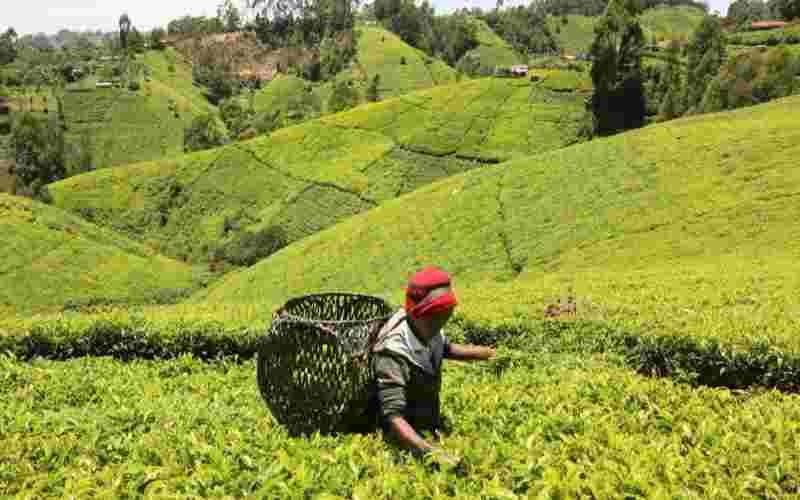
Githunguri MP Gathoni Wamuchomba has urged the Ministry of Agriculture to suspend the 0.8 per cent tea export levy, citing declining tea bonuses and financial distress among farmers.
In a statement dated October 8, Wamuchomba said the levy, which took effect on May 1, had added to the financial burden facing the tea industry and questioned its impact on farmers’ livelihoods.
“The implementation of the 0.8 per cent Tea Export Levy, effective May 1, 2026, has added another cost burden to an already struggling industry,” she said.
The MP farmers had been assured that exporters would bear the levy but warned that concerns had emerged that the cost was being passed on to growers through lower buying prices.
Wamuchomba also cited increased competition from cheaper tea markets, including Uganda, Rwanda and Burundi, as well as declining demand, unsold stocks and discounted auction prices.
“Tea reportedly selling at the minimum reserve price of $2.60 per kilogram has, in some instances, been sold for as little as $1.35,” she said.
She added that farmers could no longer absorb the effects of rising costs, declining market prices and inefficiencies across the tea value chain.
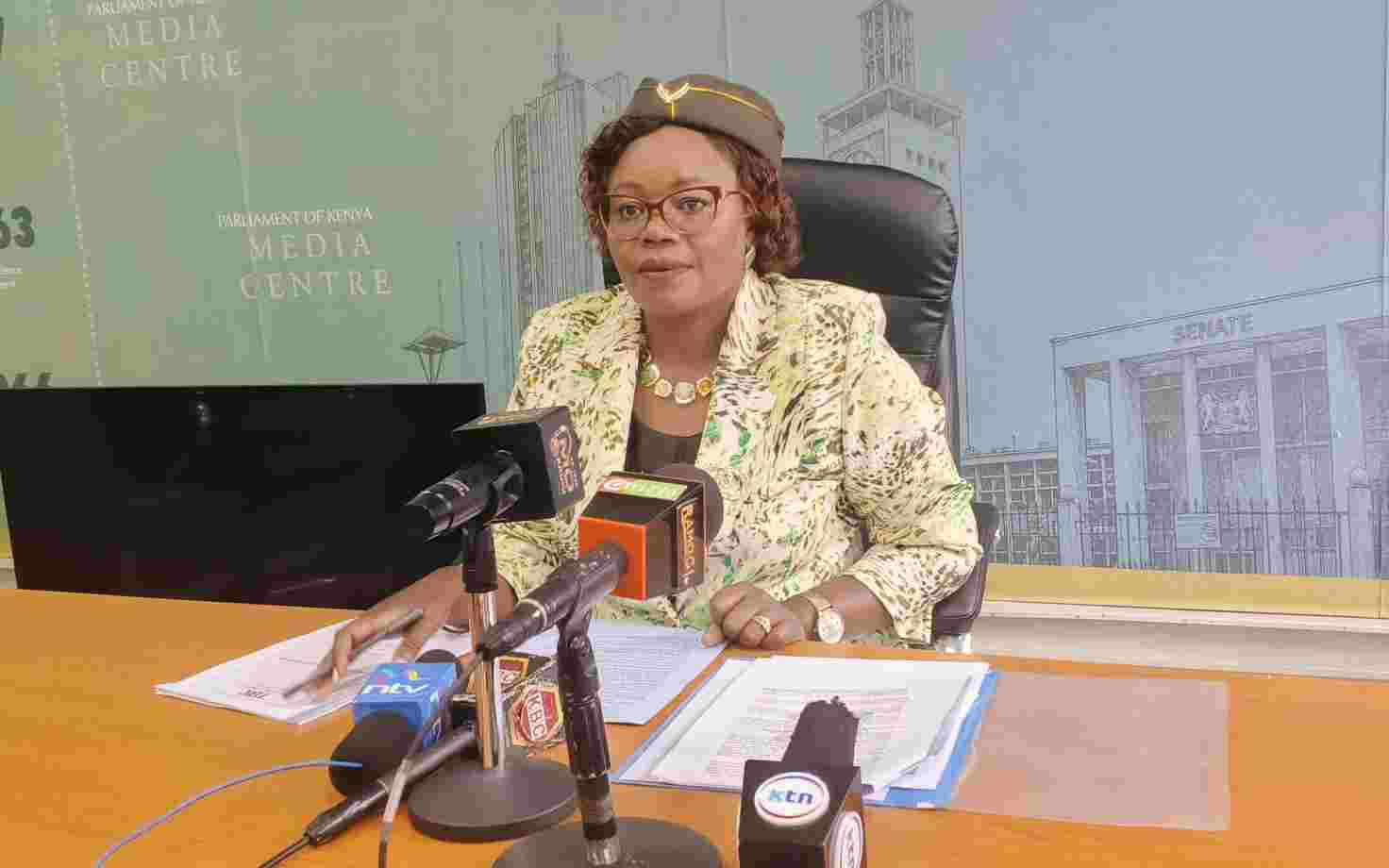
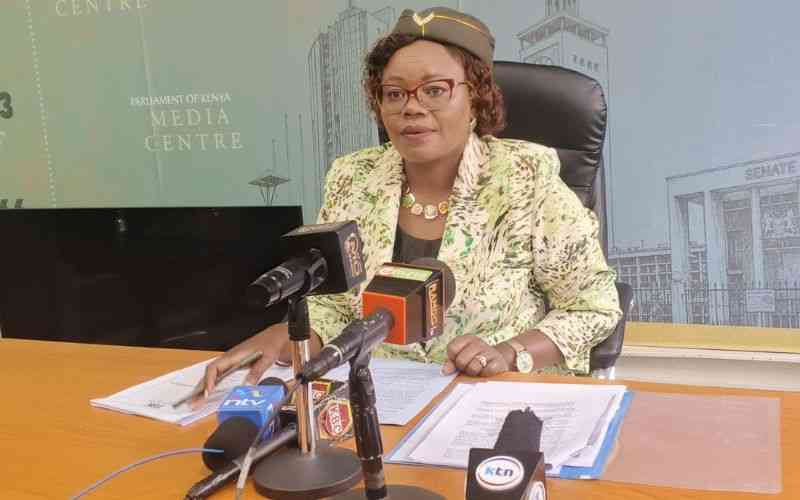
Githunguri MP Gathoni Wamuchomba addressing the media on October 8,2026. [Herman Kamariki, Standard]
The government has defended the levy as a way to fund price stabilisation, research, infrastructure and market development. But Wamuchomba questioned whether allocating 50 per cent of the levy proceeds to price stabilisation would adequately cushion farmers from their losses.
The legislator called on the government to restore and expand key tea export markets, particularly Pakistan, Iran and Sudan, while addressing barriers affecting international buyers.
She also urged the government to eliminate port delays and system failures, publish and act on the tea factory debt audit, and conduct an independent assessment of the decline in the 2025-26 tea bonus.
The assessment, she said, should establish the contribution of the export levy, auction prices, factory debts and operational expenses to the decline.
The Tea (Levy) Regulations, 2026, introduced by the Ministry of Agriculture and the Tea Board of Kenya under the Tea Act 2020, took effect May 1.
Government said the levy was intended to provide sustainable funding for the tea sector.
Stay informed. Subscribe to our newsletter

Subscribe to our newsletter and stay updated on the latest developments and special offers!











 join
join