×

The Standard e-Paper
Join Thousands of Readers
 The Standard Group Plc is a multi-media organization with investments in media
platforms spanning newspaper print operations, television, radio broadcasting,
digital and online services. The Standard Group is recognized as a leading
multi-media house in Kenya with a key influence in matters of national and
international interest.
The Standard Group Plc is a multi-media organization with investments in media
platforms spanning newspaper print operations, television, radio broadcasting,
digital and online services. The Standard Group is recognized as a leading
multi-media house in Kenya with a key influence in matters of national and
international interest.

Audio By Vocalize
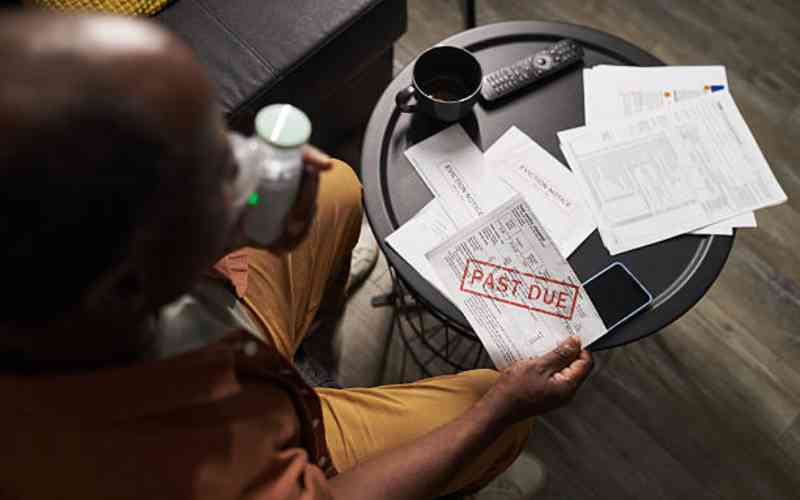
In March, your cousin called with that voice, just lend Sh5,000, he said. Till the end of the month, he added. You sent it because he is family and saying no felt heavier than the money. End of month came. Nothing. So did the next one.
You have never asked him for it. That would be rude. Meanwhile, somewhere in between, a small gap opened in your own budget. So, you tapped your phone, took a quick digital loan, and closed it. Then another to clear that one. Then a third.
Here is what has quietly happened: you are now paying interest to a mobile lender to cover money that is sitting comfortably in your cousin's pocket. You did not just lend him Sh5,000. You are financing his life on your credit score.
This is the trap that almost nobody names. We talk endlessly about borrowing — the apps, the rates, the shame of it. We rarely talk about the other side of the same coin: the money we are owed and are too polite to collect. And the two are connected. Much of the borrowing in this country is people plugging holes left by other people who never paid them back.
We have somehow decided that asking for your own money is bad manners. A friend owes you, and you see him at a funeral, at church, in the WhatsApp group — and you say nothing, you laugh, you move on.
Then you go home and borrow to survive. We would rather quietly suffer than briefly feel awkward. And that instinct, kind as it looks, is slowly draining ordinary households across Kenya.
Asking to be paid is not rudeness. It is not desperation. It is discipline — the same one that keeps any business, or any home, standing.
So, carry your own small book of debtors, the way the shopkeeper does. Not out of meanness, but out of memory. Know who owes you, how much, and since when. Then follow up kindly, but firmly. "Habari, my brother. That five thousand from March, can we sort it this week?" That is not war. That is self-respect wearing good manners.
And be honest with yourself before you lend. If losing the money would break you, it is not a loan — it is a gift you cannot afford. Lend only what you can survive not getting back, and say the awkward number out loud at the start: "I can do Sh2,000, and I'll need it back by month-end." Clear is kind. Silence is what breeds resentment later.
The habits that keep a household liquid are humble ones. Spend less than lands in your account. Keep a small buffer so that one setback doesn't send you to a lender. Chase what you're owed before you borrow what you're not.
None of them is glamorous. All of it is freedom. Because the most expensive money you will ever borrow is not the loan with the highest interest. It is the money you already lent out — and were too polite to bring home.
Your cousin will survive the conversation. So will your friendship. What may not survive is a life spent borrowing to cover the debts of people who sleep just fine at night.
Go get your money. Gently. But go.
The writer is a CPA and the founder of Marathon Debt Recovery Ltd.
Stay informed. Subscribe to our newsletter


Subscribe to our newsletter and stay updated on the latest developments and special offers!











 join
join