×

The Standard e-Paper
Join Thousands of Readers
 The Standard Group Plc is a multi-media organization with investments in media
platforms spanning newspaper print operations, television, radio broadcasting,
digital and online services. The Standard Group is recognized as a leading
multi-media house in Kenya with a key influence in matters of national and
international interest.
The Standard Group Plc is a multi-media organization with investments in media
platforms spanning newspaper print operations, television, radio broadcasting,
digital and online services. The Standard Group is recognized as a leading
multi-media house in Kenya with a key influence in matters of national and
international interest.

Audio By Vocalize

While the conversation surrounding insurance often focuses on catastrophic losses, everyday incidents like power surges, appliance failures, or minor physical accidents present a more persistent risk to family budgets.
When minor disruptions strike an uninsured or underinsured household, the economic ripple effect is immediate. Paying for repairs or medical bills directly out of pocket depletes liquid emergency funds that were originally reserved for wealth growth or investments.
In more severe cases, families are forced to sell valuable assets quickly below market value just to cover immediate bills, or they must rely on emergency short-term loans that introduce high-interest cycles, permanently straining future income.
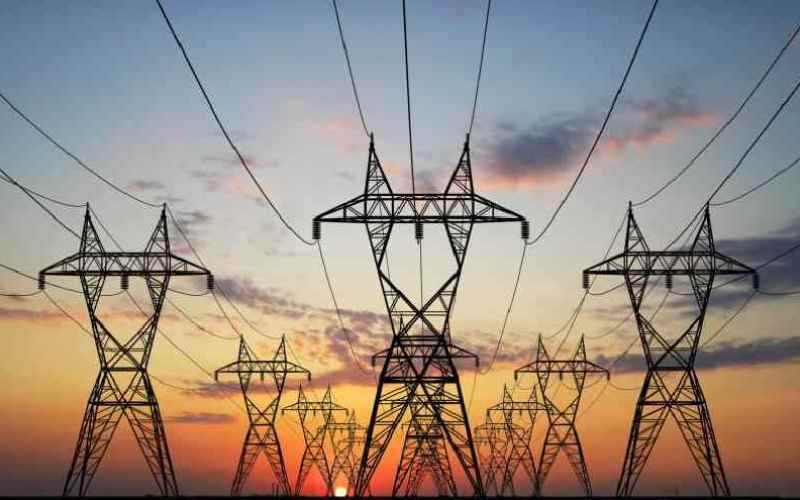
Without home insurance for instance, a simple power surge can force a household to pay the full cost of replacing fried electronics out of pocket. In contrast, a structured domestic policy covers the direct replacement of the damaged equipment. Similarly, routine dental or optical needs can easily interrupt monthly utility budgets unless micro-limits absorb the cost seamlessly.
Even a minor injury to a domestic employee can trigger full liability for medical expenses and lost wages under standard labor laws, a risk that statutory workplace injury coverage completely shields an employer from facing directly.
Historically, low insurance uptake stemmed from complex sign-up processes, rigid policies, and a lack of tailored options that failed to match the fluid nature of personal finances.
Today, the market has pivoted toward accessibility and user-friendly product delivery to bridge this gap.
Progressive underwriters like First Assurance are actively dismantling traditional barriers through modern distribution systems and self-service portals.
Instead of purchasing expensive, all-inclusive corporate plans, individuals can now use online platforms to select specific, modular plans, such as the exact optical or dental tiers they need within an individual medical cover and calculate precise premiums instantly from their smartphones.
By embedding coverage options directly into everyday banking networks through bancassurance partnerships, consumers can also link their policies directly to their financial assets without relying on intermediaries.
Furthermore, transparent digital claim tracking removes the historical anxiety of uncommunicative review processes by letting clients follow the progress of their claims in real-time.
Ultimately, financial resilience does not require insuring against every hypothetical crisis, but rather mapping exposure, identifying daily blind spots, and using these accessible digital tools to transition unexpected risks into highly predictable, manageable line items.
Stay informed. Subscribe to our newsletter
Subscribe to our newsletter and stay updated on the latest developments and special offers!













 join
join