×

The Standard e-Paper
Informed Minds Prefer The Standard
 The Standard Group Plc is a multi-media organization with investments in media
platforms spanning newspaper print operations, television, radio broadcasting,
digital and online services. The Standard Group is recognized as a leading
multi-media house in Kenya with a key influence in matters of national and
international interest.
The Standard Group Plc is a multi-media organization with investments in media
platforms spanning newspaper print operations, television, radio broadcasting,
digital and online services. The Standard Group is recognized as a leading
multi-media house in Kenya with a key influence in matters of national and
international interest.

Audio By Vocalize
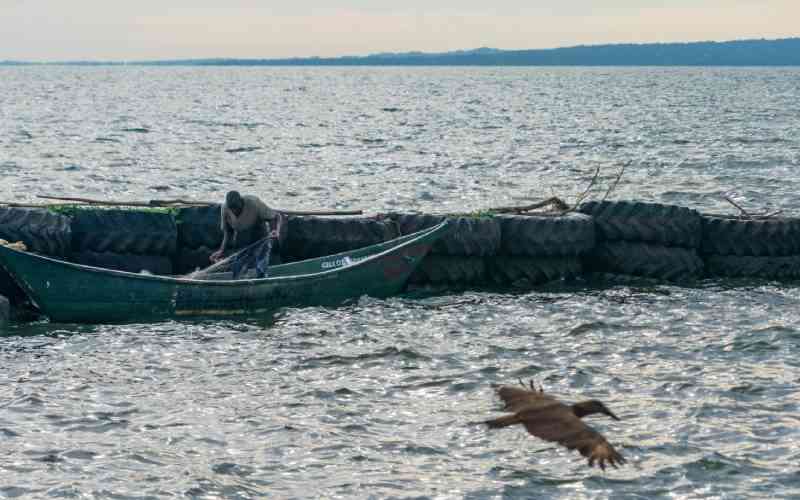
The fisherfolk along the Kenyan coast want the Senate to add a clause to the Fisheries Management and Development Bill, 2023, to allow the closure of certain areas to help replenish fish stocks under pressure from overfishing.
The bill proposes mechanisms to strengthen the fight against illegal fishing and improve oversight, focusing on Lake Victoria and the Indian Ocean coastline.
It seeks to strengthen penalties and enforce the law on unauthorised foreign commercial vessels exploiting Kenyan waters.
But the coastal fisheries stakeholders further want a legal provision for secluding some areas to build up more fish stocks and are pinning their hope on the Senate after the National Assembly left out such a recommendation, which could have been used to mitigate overfishing and depletion of fish resources in some places.
The National Assembly instead passed the key bill on August 5 this year, leaving out the requirement for closure of areas to ensure the fish stock grows to the benefit of communities and even the government.
Somo Mohamed Somo, chairman of the Beach Management Units (BMU) network on the Indian Ocean water body, said the Senate should include the clause so that communities through BMUs can recommend the closure of areas in consultation with the director general of fisheries.
82 registered BMUs span Kenya's coastal counties of Mombasa, Kwale, Kilifi, and Lamu, whose membership includes fishermen, boat owners, fish processors, and fishmongers.
“The bill has already passed through the National Assembly without the inclusion of closures and is headed to the Senate. But we are asking the Senate to allow for closure of certain areas to stop the depletion of fish stocks,” he said.
Speaking after a stakeholders' meeting in Mombasa County this week, Somo also appealed for a window of about two months for fishers considered to be using inappropriate fishing gear, such as beach seine fishing, in transit after the bill is assented to.
“Fishers have invested heavily in their fishing traps and should be allowed time to transition after the bill is enacted,” he stated.
The BMU Indian Ocean body network secretary, Omar Mtengo, said it is sad that members of the National Assembly left out the legislation on the closure of areas to build up fish stock and protect the marine environment.
He noted that the closed areas can allow for fish breeding and also serve as tourist attraction sites and hence are necessary in the bill.
“MPS failed to provide for closure of areas which benefit the fisheries sector. We need to regulate the marine environment to increase fish stocks,” he stated.
The bill replaces the 2016 Fisheries Act to overhaul marine and inland fisheries governance, and it has faced intense stakeholder debate and parliamentary processing.
Stay informed. Subscribe to our newsletter
The bill proposes creating the Kenya Fisheries Service, a Monitoring, Control and Surveillance (MCS) unit and a Fish Marketing Authority.
It also proposes a body to streamline and regulate the marketing and sale of fish and fish products. It also establishes the Fish Levy Trust Fund and the Fisheries Research Fund to support infrastructure and artisanal fishing. The research fund is dedicated to funding sector research and capacity building.
The proposed legislation seeks to clarify county and national government responsibilities regarding devolved functions.
The dedicated regulatory agency will manage and develop fisheries resources nationwide, supported by the advisory council and a director-general.
The MCS unit is meant to curtail illegal fishing and improve oversight, focusing on Lake Victoria and the Indian Ocean coastline.
On illegal fishing enforcement, the bill seeks to strengthen penalties and enforce against unauthorised or foreign commercial vessels exploiting Kenyan waters.
The bill attempts to provide clarity on the specific functional roles and coordination between national and county governments.
Stakeholders say the bill allows for the growth of the blue economy because it promotes sustainable fishing practices to address declining stocks and support food security.
In 2023, the High Court handed fishermen a lifeline after declaring a section of the law in the Fisheries Act of 2016 banning traditional fishing methods unconstitutional.
In his judgement, Justice Stephen Githinji faulted the National Assembly for failing to conduct public participation when passing the Fisheries Management and Development Act, 2016, which outlawed traditional fishing methods.

Subscribe to our newsletter and stay updated on the latest developments and special offers!












 join
join