×

The Standard e-Paper
Smart Minds Choose Us
 The Standard Group Plc is a
multi-media organization with investments in media platforms spanning newspaper
print operations, television, radio broadcasting, digital and online services. The
Standard Group is recognized as a leading multi-media house in Kenya with a key
influence in matters of national and international interest.
The Standard Group Plc is a
multi-media organization with investments in media platforms spanning newspaper
print operations, television, radio broadcasting, digital and online services. The
Standard Group is recognized as a leading multi-media house in Kenya with a key
influence in matters of national and international interest.

Audio By Vocalize

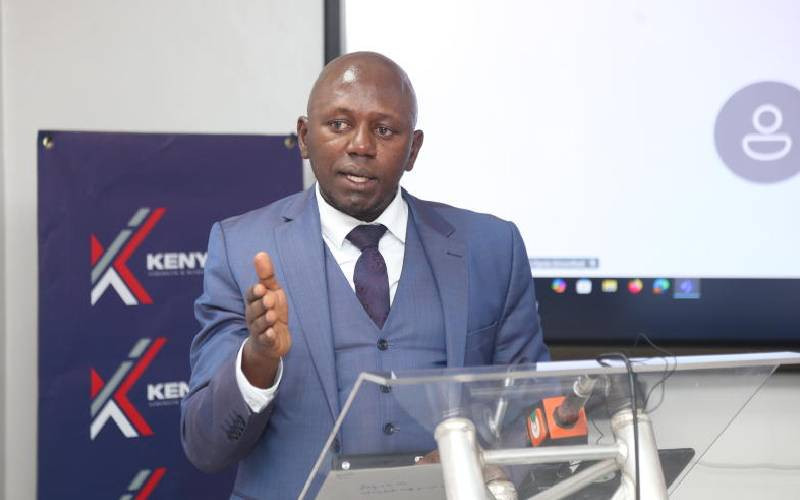
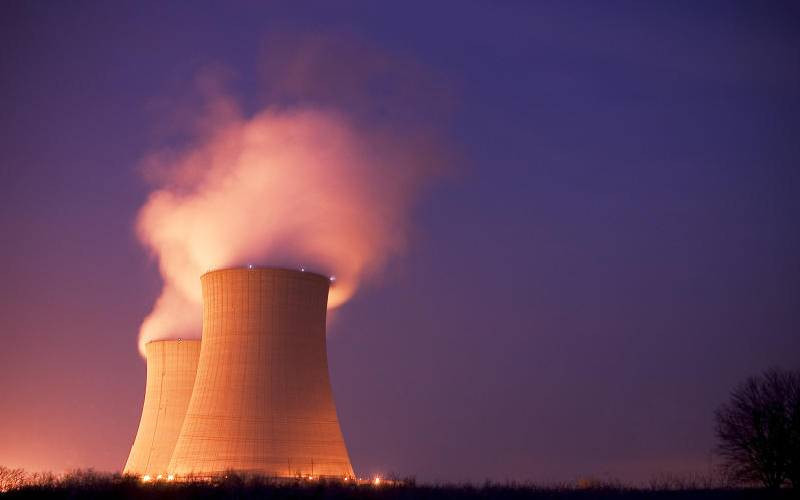
KenGen Managing Director and CEO, Eng Peter Njenga, said the institution will serve as the owner-operator of the country’s first nuclear power plant, which is expected to have a capacity of two gigawatts (GW), with plans for a larger nuclear fleet in the future.
He noted that the company is building the institutional and technical capacity required to manage the plant throughout its full lifecycle, from project development and contracting to construction oversight, commissioning, operations, maintenance, safety performance and long-term stewardship.
“KenGen stands ready to fully play its role as owner-operator: To prepare effectively, build capacity, uphold the highest safety standards, earn public confidence and deliver the dependable baseload power Kenya needs for its next phase of growth,” Njenga says.
He added that the company will work closely with the government, development partners, investors, technical experts, regulators, and global institutions to ensure that Kenya’s nuclear journey is responsible, transparent, and aligned with international best practices.
Nuclear Power and Energy Agency (NuPEA), Chief Executive Officer, Justus Wabuyabo, said once complete, the nuclear energy will provide Kenya a reliable, sustainable and climate-friendly solution capable of supporting long-term economic transformation.
He says Kenya is following the International Atomic Energy Agency (IAEA) Milestones Approach in implementing its nuclear energy programme, and is currently in Phase two of the framework.
“This phase marks our commitment to establishing a safe, secure and sustainable nuclear power programme. The project aims to boost Kenya’s electricity generation capacity using clean, low-carbon energy sources. It will add dependable power, create jobs, develop skills, and reduce CO₂ emissions,” Wabuyabo explains.
The official was speaking during the International Conference on Nuclear Energy 2026 (ICoNE 2026) in Nairobi which brought together African governments, regulators, technical experts, academia, development partners, and global nuclear institutions to explore how nuclear energy can support sustainable development and energy security across the continent.
Wabuyabo emphasised that nuclear energy is no longer a distant aspiration for African countries, but a strategic necessity. He stressed that the journey toward nuclear energy is a marathon, not a sprint, requiring transparency, unwavering safety standards, inclusivity, and strong collaboration.
Kenya Nuclear Regulatory Authority (KNRA), Director General James Keter, says Kenya has reached a significant milestone in its nuclear journey.
“All stakeholders must be brought on board. This journey is not just about energy, but also about building public trust,” he says.
Keter underscored the critical role of an independent regulator, noting that KNRA was established under the Nuclear Regulatory Act to ensure the highest standards of safety and compliance.
“As KNRA, we stand together with the owner-operator, promoters, international organisations, and the IAEA, to ensure we move forward collectively,” he added.
He further highlighted that KNRA has undergone key international peer reviews, including the Integrated Regulatory Review Service (IRRS) and the International Physical Protection Advisory Service (IPPAS), which bring together global experts to assess the country’s preparedness for a nuclear programme.
Stay informed. Subscribe to our newsletter
Under IAEA guidance, and in collaboration with NuPEA, the owner-operator must demonstrate the competence to safely and reliably operate the plant, apply for licences, defend safety cases before regulators, oversee contractors and suppliers, develop financing and procurement strategies, support fuel and waste management planning, and build the human capacity required for safe operations.






Subscribe to our newsletter and stay updated on the latest developments and special offers!







 join
join