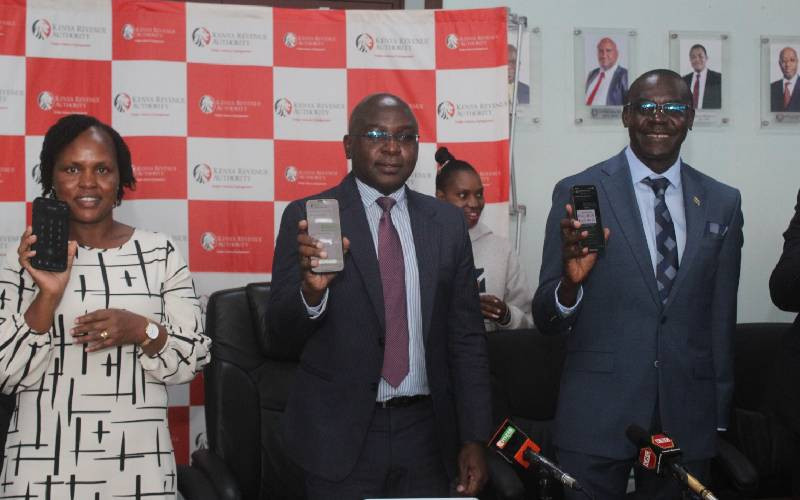
Details have emerged in hospitals where teachers can seek medical attention under the Social Health Authority (SHA) medical scheme, which took effect on Monday.
A total of 8,032 health facilities has been listed as service points for teachers and their dependents
Out of these, 4,838 are government-owned; private facilities account for 2,737, while faith-based hospitals make up 444 centres. Only 13 facilities are community-owned.
This comes amid disquiet among teachers over the transition, with the educators maintaining that the transition is still shadowed by poor communication.
Several teachers expressed frustration, saying the lack of information has heightened their fears about the new scheme and whether their medical needs will be adequately catered for under the SHA.
Others questioned how the sensitisation exercise can be effective if they have not been formally notified or guided on the engagement forums.
The Teachers Service Commission (TSC), in a memo dated November 25, indicated it was carrying out a two-week sensitisation exercise. However, teachers interviewed say they are yet to receive any communication.
The memo directs all county directors to mobilise teachers for a two-week exercise between November 25 and December 5; a period TSC says is meant to clarify how the new Primary and Occupational Medical Scheme Fund would operate.
“There is nothing like sensitisation that has taken place, unless those who are going to hospital. But at the school level, nothing has been communicated apart from the circulars we are seeing online,” a teacher based in Kisii county told The Standard.
“We are not sure what is required when attending medical facilities; do we use the regular SHA cards or are we required to get new cards for the comprehensive cover? Nobody has explained these details,” said another teacher.
Dispensaries make up the bulk of medical facilities, with 4,451 facilities listed as providing primary health care services.
The health centres — listed as Level 2 facilities — provide basic outpatient services, treatment of minor illnesses, immunisation and wound care, making them the first point of contact for many teachers.
They are followed by Level 3A centres at 1,569 and Level 3B hospitals at 950, and will offer services such as expanded outpatient services, antenatal and postnatal care, minor emergency services and essential laboratory tests.
The Level 3B category includes facilities such as Tenwek Hospital–Kaboson Health Centre, Salawa Catholic Mission Health Centre, Zereh Medical Centre and Equity Afia Kabarnet Medical Centre.
Stay informed. Subscribe to our newsletter