×

The Standard e-Paper
Home To Bold Columnists
 The Standard Group Plc is a
multi-media organization with investments in media platforms spanning newspaper
print operations, television, radio broadcasting, digital and online services. The
Standard Group is recognized as a leading multi-media house in Kenya with a key
influence in matters of national and international interest.

Audio By Vocalize
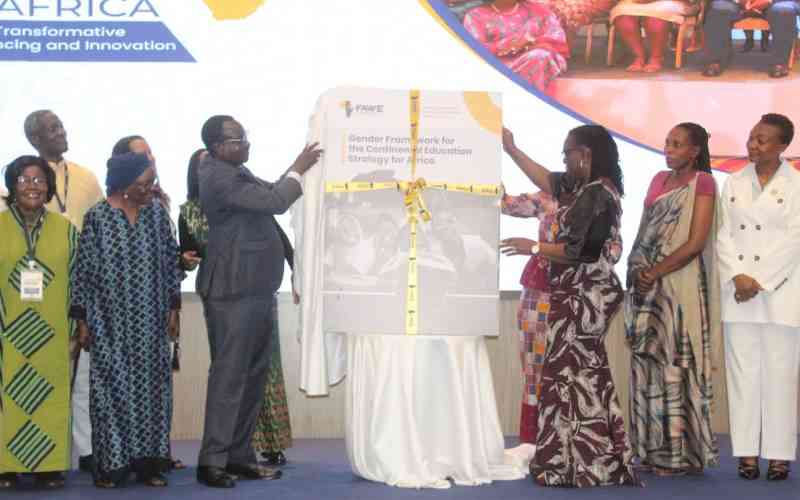
The Education Cabinet Secretary Julius Ogamba unveiled the Gender Framework for Continental Strategy for Africa on November 17,2026. [Benard Orwongo Standard]
Education stakeholders have urged African governments to increase domestic funding for girls’ education and ensure resources translate into better learning outcomes, school retention and economic opportunities.
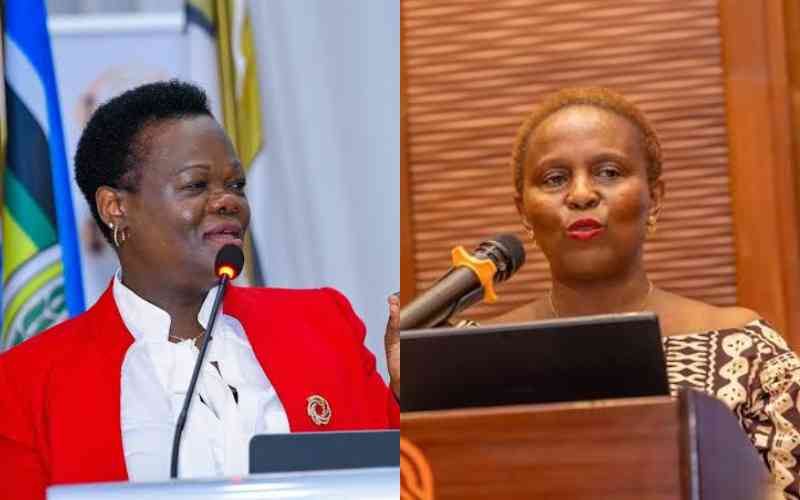
Speaking at the 4th FAWE International Conference on Girls’ Education in Africa in Nairobi, Education Cabinet Secretary Julius Ogamba said governments must prioritise equitable financing, especially for girls facing the greatest disadvantages.
“Kenya affirms that girls’ education is not a social sector expenditure. It is a strategic human capital investment,” he said.
Ogamba challenged governments to move beyond enrolment parity and focus on learning outcomes, school completion and successful transitions into employment and economic empowerment.
The Education CS identified three priorities including ensuring funding reaches disadvantaged girls, measuring innovation through tangible results and strengthening accountability for commitments made by governments and development partners.
He cited girls in arid and semi-arid areas, informal settlements, displacement settings and those living with disabilities as requiring targeted support.
Kenya, he said, is addressing barriers through Competency-Based Education, scholarships, mentorship and psychosocial support, while encouraging girls to pursue Science, Technology, Engineering and Mathematics (STEM) and Technical and Vocational Education and Training (TVET).
Ogamba further called for policies that allow girls to resume their education after disruptions caused by early pregnancy, hunger, conflict and drought. He cited Kenya’s school re-entry guidelines, which provide for flexible learning arrangements and support for returning learners.
Association for the Development of Education in Africa Executive Secretary Albert Nsengiyumva said governments must make gender-responsive budgeting and expenditure tracking standard practice.
He warned that poverty, child marriage, teenage pregnancy, conflict, climate shocks and the digital divide continue to push girls out of school, particularly at secondary level.
Nsengiyumva also cited shrinking external education support and mounting debt pressures as constraints on government spending. He urged African countries to allocate at least 20 per cent of national budgets to education and ensure funds reach intended beneficiaries.
“If we cannot follow the money to the girl, we cannot say we have invested in her future,” he said.
He also cited the Forum for African Women Educationalists (FAWE) as an example of an African-led initiative expanding access through gender-responsive teaching, mentorship, second-chance education and vocational training.
Partnerships, he said, are supporting about 10,000 beneficiaries in ten countries through scholarships, TVET and entrepreneurship programmes.
Stay informed. Subscribe to our newsletter
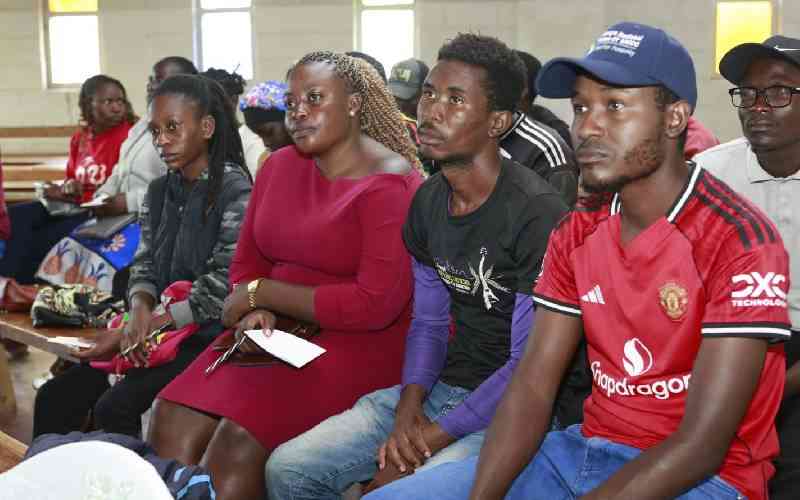
Young leaders at the conference called for girls to be included in decisions on education financing and the interventions intended to support them.
The conference is themed “Investing in Her Future: Accelerating Gender-Transformative Education for African Girls through Sustainable Financing and Innovation.”




Subscribe to our newsletter and stay updated on the latest developments and special offers!