×

The Standard e-Paper
Kenya’s Boldest Voice
 The Standard Group Plc is a
multi-media organization with investments in media platforms spanning newspaper
print operations, television, radio broadcasting, digital and online services. The
Standard Group is recognized as a leading multi-media house in Kenya with a key
influence in matters of national and international interest.
The Standard Group Plc is a
multi-media organization with investments in media platforms spanning newspaper
print operations, television, radio broadcasting, digital and online services. The
Standard Group is recognized as a leading multi-media house in Kenya with a key
influence in matters of national and international interest.

Audio By Vocalize
Kenyan industry and agriculture sectors are breathing a sigh of relief following the extension of the Growth and Opportunity Act (Agoa) until the end of 2028, bringing to a close the period of uncertainty after its expiry last year, for now.
The extension includes a retrospectively applied refund option for importers who paid duties during the period between expiry and renewal, further easing the concerns of importer-led businesses.
In September of last year, the expiry and subsequent lack of renewal of Agoa sent unwelcome ripples through Kenyan and other African markets.
AGOA, which is a landmark piece of US legislation, was originally approved in 2000 under the leadership of Bill Clinton.
It aims to assist the growth of sub-Saharan economies by establishing systems of trade preferences, which in turn help develop mercantile ties between eligible African nations and the United States.
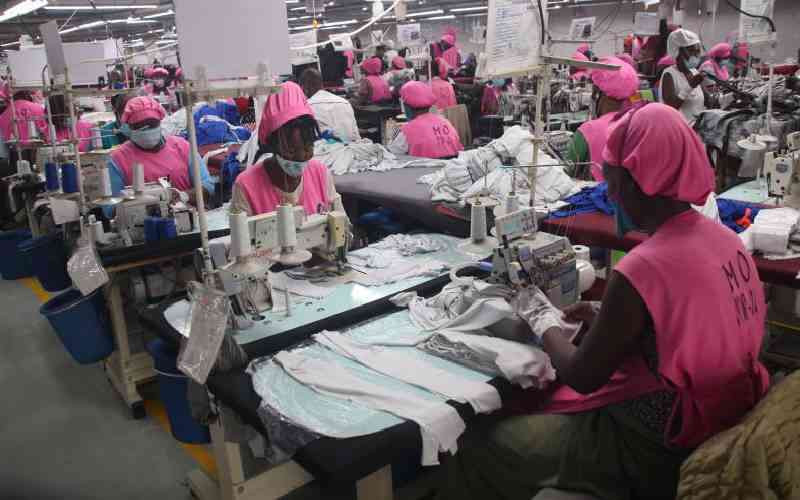
The relief is particularly notable in Kenya’s clothing and textile sector, as it is the largest beneficiary of Agoa.
Hundreds of thousands of Kenyans are employed in this sector in numerous factories, warehouses and offices across the country.
Each year, they produce and export millions of items to the American market, including jeans, uniforms and fashion accessories.
The extension of AGOA will enable the ongoing growth and further development of this important and burgeoning domestic industry, allowing it to compete more effectively with other global textile markets.
Not only has there been relief within Nairobi’s trade and business circles, but the extension of Agoa is now creating a tangible impact on Kenyan export performance.
According to the Business Daily, Kenya’s export market jumped drastically after the news of the extension broke, resulting in the largest monthly earnings from domestic exports ever recorded (Sh10.5 billion).
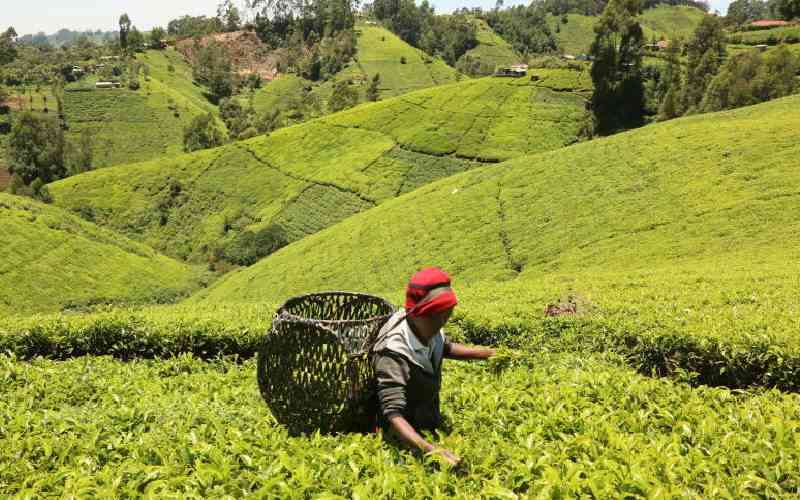
This surge in exports is a much-welcomed opportunity for Kenya to earn foreign currency and diversify beyond its traditional agricultural exports, such as tea and flowers.
Many of the products of Kenya’s textile industry are value-added goods, meaning they are exported as finished products.
This is particularly important, given that Kenya and other African nations have often exported raw materials to countries like China, where the value is added later.
Stay informed. Subscribe to our newsletter
The result of this is missed earnings and missed opportunities to develop the domestic industry, both of which have been core issues since the colonial era.
The increase in exports is especially significant at a time when Kenya needs support to close the growing deficit between its imports from China and its exports.
According to African Business, the whole of Africa only represents a total of 6 per cent of China’s annual imports.
The benefits of Agoa are also being felt on the other side of the Atlantic. American textile businesses supplying leading American fashion brands have been able to reduce their reliance on low-cost Chinese suppliers by utilising the growing availability of products from African textile businesses.
One American textile industry giant, SanMar, explained that it has been able to cut reliance on Chinese textile sourcing from 46 per cent to just 6 per cent by sourcing products from Africa.
Economists say that Africa will play a critical role in the global economy over the next 50 years as its population expands.
According to All Africa, 12 of the 20 fastest-growing economies globally are African. Trade agreements such as AGOA are an essential component of this growth.
Kenya and other African nations can use these trade arrangements to help fuel their journeys to grow into the powerhouses they promise to be, leaving behind the economic and industrial inefficiencies that have hampered them in the past.




Subscribe to our newsletter and stay updated on the latest developments and special offers!







 join
join