×

The Standard e-Paper
Join Thousands Daily
 The Standard Group Plc is a
multi-media organization with investments in media platforms spanning newspaper
print operations, television, radio broadcasting, digital and online services. The
Standard Group is recognized as a leading multi-media house in Kenya with a key
influence in matters of national and international interest.
The Standard Group Plc is a
multi-media organization with investments in media platforms spanning newspaper
print operations, television, radio broadcasting, digital and online services. The
Standard Group is recognized as a leading multi-media house in Kenya with a key
influence in matters of national and international interest.

Audio By Vocalize
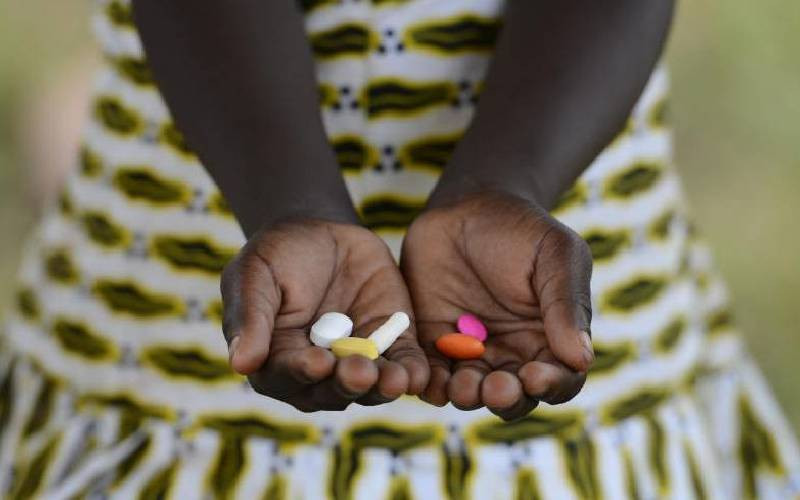
Every parent in Kenya knows the fear of a sick child. A fever that won’t go down. A cough that worsens.
A sudden hospital admission. In those moments, we trust that medicine, especially antibiotics, will work for those bacterial infections. But what happens when they don’t?
Antibiotics are medicines used to treat bacterial infections. However, when bacteria become resistant, these drugs stop working.
This is called antibiotic resistance. It is quietly becoming one of the biggest health threats in Kenya, as a recent study conducted at the Kenyatta National Hospital reveals. In this study of 1,608 hospitalised children, one in four had infections that did not respond to commonly used antibiotics.
Children with resistant infections had a higher risk of death. Nearly two-thirds, 73 out of the 113 deaths recorded, were associated with antibiotic resistance. Put simply, when antibiotics fail, children die.
Even more worrying, the study found that many of these deaths occur early during hospital admission, with infants and children under five years being the most affected. This means the youngest and most vulnerable members of our society are paying the highest price.
The reasons for antibiotic resistance are complex but also very familiar. For example, many Kenyans buy antibiotics without proper testing or a prescription.
Sometimes we take antibiotics for viral infections (like flu), stop treatment early when we feel better, use leftover antibiotics, or share with others. These practices allow bacteria to “learn” how to resist antibiotics.
Antibiotic resistance is not just a health issue; it is also an economic burden. The study found that treatment for resistant infections costs 33 per cent more compared to infections that responded to antibiotics, and resulted in hospital stays that were five days longer.
This is the real, everyday cost of resistance: Higher hospital bills, watching children suffer longer, prolonged caregiving resulting in missed school days for the children or work days for the parents or caregivers.
Kenya is not alone. Across the world, antibiotic resistance is increasing and could cause 10 million deaths annually, reduce global economic output by 3.5 per cent, and push 24 million people into poverty.
But countries like ours are hit hardest because diagnostic services are limited, antibiotics are easily accessible without control, and health systems are under pressure. If nothing changes, experts warn that resistant infections could become the leading cause of death globally in the coming decades.
The good news is that this crisis is preventable, but only if we act now. For healthcare systems, leadership must prioritise investment in diagnostic laboratories, ensure that appropriate tests are conducted before prescribing antibiotics, and strengthen infection prevention and control.
This includes establishing functional infection prevention and control programmes, improving hand hygiene compliance, and ensuring continuous training of healthcare workers.
Facilities must also implement robust surveillance of healthcare-associated infections, supported by adequate infrastructure, reliable supplies, and strong accountability mechanisms.
Stay informed. Subscribe to our newsletter
At the policy level, governments should enforce regulations on antibiotic sales, support Kenya’s National Action Plan on antimicrobial resistance, and subsidise diagnostic testing to make it affordable and accessible. For our health and that of our loved ones, individuals should not self-medicate with antibiotics, complete the prescribed doses, avoid sharing antibiotics and seek proper medical advice.
Dr. Chuchu is an Infectious disease Epidemiologist and a PhD Fellow at Washington State University Global Health Programme in Kenya








Subscribe to our newsletter and stay updated on the latest developments and special offers!








 join
join