×

The Standard e-Paper
Join Thousands Daily
 The Standard Group Plc is a
multi-media organization with investments in media platforms spanning newspaper
print operations, television, radio broadcasting, digital and online services. The
Standard Group is recognized as a leading multi-media house in Kenya with a key
influence in matters of national and international interest.

Audio By Vocalize
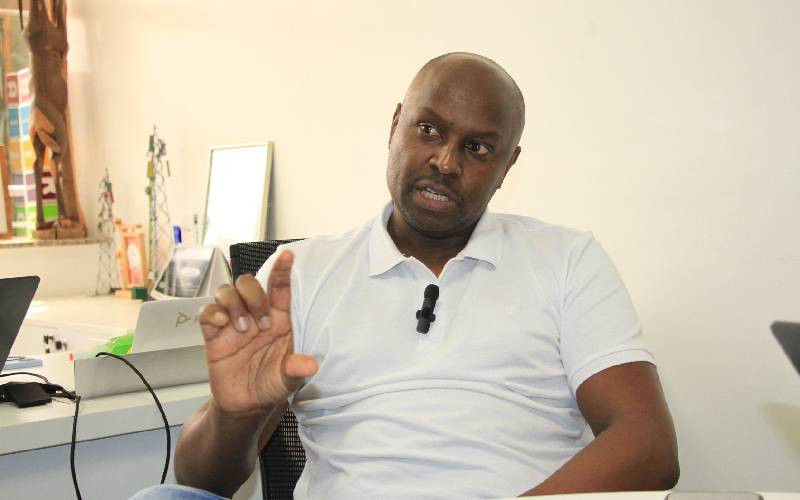
Whenever James Maitai wakes up every morning, the demands of running one of East Africa’s largest technology operations claim his attention. As the Group Chief Technology and Information Officer at Safaricom, he oversees the company’s systems in Kenya and Ethiopia, from technology planning, engineering design, building and operation. Basically, there is enough to keep him occupied every single minute of the day, and at times nights, since some system upgrades and maintenance happen when the rest of us are sleeping.
Behind his demanding schedule is a concern for the wellbeing of the 1,600 regional staff he oversees, 70 per cent of whom are men. He proactively creates spaces for dialogue through town halls, team-building, hikes and mentorship forums.
Many are Gen Z professionals juggling career pressures, financial decisions, relationships and questions of identity, often without trusted people to confide in.
“The younger boys, especially the newer generation, are obviously under more pressure than the older men,” says Maitai. “If you look at girls, they have very deep friendships, which men don’t. You could have buddies you drink with but when you have problems that are personal, you don’t discuss them with your friends.”
Maitai observes that women tend to build stronger emotional support networks, with most girls who approach him having two or three close friends. Men, by contrast, may socialise in groups without forming deep emotional connections.
To address this gap, Maitai and his team leveraged the company’s Thriving Gents initiative, which tackles the often-overlooked struggles of the boy child. It builds on the success of Women in Technology, recognising that empowering women and supporting young men are complementary priorities.
As part of the boy child initiative Maitai and the team take drives around the country, hike or just eat meat at Olepolos where the young men can open up.
“We want them to know that it’s not all about work but about them and the issues they are facing. Some are at that age where they could be struggling with dating, finances or betting. Some may not lay their problem directly but will ask ‘on behalf of a friend’. Just address the issue raised without judging,” says Maitai.
This philosophy aligns closely with this year’s International Men’s Day theme, The Future is Everyone, that recognises how building a better future requires investing in people today, particularly young men who will become tomorrow’s leaders, innovators, fathers and mentors.
Through ensuing interactions, Maitai learned that the young men needed to be listened to and drawn out because they talk little.
“You ask them a question and they give you a one-worded answer. For them to open up, you must come out as authentic,” he says.
“It is about machismo, being masculine. Men are more like, I can do it, I can solve my problems. And even if men are ‘friends’, you could be dying, but your friend doesn’t know. So, to keep men motivated and energized, you need to understand what makes them tick,” says Maitai.
Maitai believes this calls for a different kind of leadership, built on patience, curiosity and genuine care. Meaningful conversations, he says, emerge when leaders create safe spaces, listen without judgment and reach out before young people ask for help. Sometimes, this means meeting them at their level, even in how they dress.
When we met him in his office on a Tuesday, he wore blue jeans and a white T-shirt, looking more like one of his system developers than a senior executive overseeing the technology backbone of a regional telecommunications giant. Although he wears suits when necessary, his relaxed style makes leadership feel approachable, signalling to young engineers and coders that they can freely engage with him.
“We need to work hard to know what motivates them since it can be difficult to understand their language,” says Maitai. “But what I’ve seen is they want to feel like they have been heard. They want to feel that you can be accessible. But they also don’t want to be controlled but to be given space to be themselves.” This generation of young men is also confident and unafraid to challenge authority, regardless of rank. Maitai recalls the post-Covid-19 period when companies called employees back to the office. Some young workers questioned the need, having grown accustomed to working remotely and setting their own schedules. They also struggled with expectations around logging in and accountability. Maitai sees instilling work ethic and discipline as a key responsibility of senior leadership, one he believes he successfully fulfilled.
Stay informed. Subscribe to our newsletter
“Yes, people were working from home but do we know what they were going through? We saw an increase in alcohol and substance abuse across the social spectrum. Being young people, I also wanted to let our team know that they can seek help. They may have felt we were micromanaging them but once they knew why we wanted them in the office they understood,” says Maitai.
By resuming in-person office attendance, Maitai was able to evaluate their output and deduce whether some were under-utilized or over-utilized. He was also able to see who needed more training based on how long one was taking to finish an assignment. This has since fostered a spirit of brotherhood where all feel valued





Subscribe to our newsletter and stay updated on the latest developments and special offers!