The Standard Group Plc is a
multi-media organization with investments in media platforms spanning newspaper
print operations, television, radio broadcasting, digital and online services. The
Standard Group is recognized as a leading multi-media house in Kenya with a key
influence in matters of national and international interest.
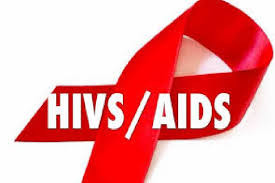
World AIDS Day: Stakeholders urge inclusive efforts to end HIV. [File, Standard]
As the world marked World AIDS Day on December 1, the Kenya National Bureau of Statistics (KNBS) joined efforts to raise awareness on the link between sexual and gender-based violence (SGBV) and HIV infections, particularly among vulnerable girls.
Speaking at AIC Kajiado Childcare Centre, which hosts survivors of Female Genital Mutilation (FGM), early marriages, and other forms of SGBV, KNBS official Rose Awino highlighted the importance of education, inclusivity, and collaboration in combating HIV.
“Knowledge remains our strongest tool in combating HIV and AIDS. Understanding prevention, testing, treatment, and support services helps reduce stigma and empowers individuals to make informed decisions,” Awino said, adding that ending HIV and AIDS requires collective action across government bodies, schools, faith-based organisations, health workers, communities, and families.
“The path to ending HIV and AIDS must include everyone, regardless of background, ability, gender, or circumstance. Girls who have survived harmful cultural practices deserve the same access to healthcare, protection, and opportunities as any other Kenyan. Only through inclusive programs can we truly overcome disruption and transform the AIDS response.”
The call aligns with findings from the recently released Jukwaa La Usalama report. Released on Tuesday, December 2, the report shows that HIV infections are also linked to SGBV cases affecting children and adolescents.
The report cites high case numbers in counties including Bungoma, Kisii, Nyamira, Narok, Vihiga, Kajiado, Bomet, Kilifi, and Taita Taveta. Between June and August 2025, Bungoma alone reported 48 SGBV cases, while sexual exploitation in coastal tourist and beach trade zones continues to put young girls at risk of HIV.
“Despite ongoing sensitisation efforts, under-reporting remains widespread due to stigma, fear of reprisal, limited access to justice, cultural norms, and reliance on non-judicial settlements,” the report warns, noting that harmful practices such as FGM, child marriages, and defilement remain prevalent.
“Cultural norms in counties such as Kajiado, Kisii, Kilifi, and Turkana discourage victims from reporting, with some families mediating defilement cases through kangaroo courts for ‘compensation’ rather than seeking justice,” the report revealed.
According to the Awino, advocating for inclusive HIV programs should ensure that vulnerable populations are not left behind, stressing that community engagement, protective policies, and empowerment are key to curbing new infections and transforming the HIV response nationwide.
Center’s manager, Keswe Mapena, reiterating, noted that HIV does not know boundaries and that awareness should reach everyone.
He noted that FGM, for instance, can easily transmit HIV through shared blades and other practices. Therefore, having the awareness conversation with the girls helps create shared awareness that they can carry back home.
Premium Article
Get Full Access for Ksh299/Week.
Bold Reporting Takes Time, Courage and Investment. Stand With Us.

 The Standard Group Plc is a
multi-media organization with investments in media platforms spanning newspaper
print operations, television, radio broadcasting, digital and online services. The
Standard Group is recognized as a leading multi-media house in Kenya with a key
influence in matters of national and international interest.
The Standard Group Plc is a
multi-media organization with investments in media platforms spanning newspaper
print operations, television, radio broadcasting, digital and online services. The
Standard Group is recognized as a leading multi-media house in Kenya with a key
influence in matters of national and international interest.













 join
join