×

The Standard e-Paper
Join Thousands Daily
 The Standard Group Plc is a
multi-media organization with investments in media platforms spanning newspaper
print operations, television, radio broadcasting, digital and online services. The
Standard Group is recognized as a leading multi-media house in Kenya with a key
influence in matters of national and international interest.
The Standard Group Plc is a
multi-media organization with investments in media platforms spanning newspaper
print operations, television, radio broadcasting, digital and online services. The
Standard Group is recognized as a leading multi-media house in Kenya with a key
influence in matters of national and international interest.

Audio By Vocalize
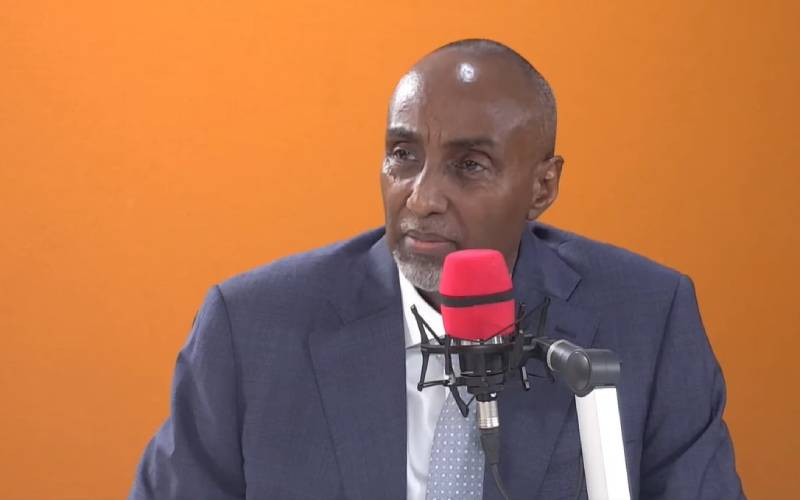
The Ethics and Anti-Corruption Commission (EACC), Chief Executive Officer (CEO) Abdi Mohamud, has called on Parliament to amend the law to give the agency prosecutorial powers which are currently under the Office of the Director of Public Prosecutions (ODPP).
Speaking on Spice FM early Wednesday, Mohamud noted that such a move would speed up resolution of corruption cases in addition to aligning with standards of practice in countries where similar bodies investigate and prosecute their cases.
“Nothing stops parliament from giving EACC powers to prosecute. There wouldn’t be any harm,” said Abdi.
“In many jurisdictions around the world, even here in Africa, the anti-corruption body has prosecuted their own cases. It will take a shorter time to process cases and charge those found culpable of offences. Investigators will also be proud to own the cases and ensure they get concluded.”
According to Abdi, EACC already has a fully-fledged legal team of over 100 lawyers with defined roles and equally competent to prepare case files in close collaboration with investigators giving them an edge over counterparts at ODPP.
Lawyers at EACC mainly appear in court for civil recovery cases or work as case analysts advising detectives on relevant evidence and to come up with case files.
The two agencies have at times differed over the quality of evidence provided in some cases with ODPP returning files to EACC investigators on account of not having sufficient evidence for trial.
“We prefer dialogue instead of files coming back to EACC from the ODPP and take two or three months to handle. Ideally, the two teams should come together to address issues raised, especially on the big files,” he stated.
Should the proposal sail through Parliament, it will add Kenya to the ranks of Mauritius and Uganda that have already adopted the model.
However, those opposed to such an empowerment of the commission worry that the agency may become too powerful leading to an abuse of its power hence the separation with ODPP.
Abdi also claimed that corruption remains the greatest threat to the country’s development, only second to unemployment.
Counties were urged to embrace the Electronic Government Procurement (E-GP) system which governors have opposed despite Treasury’s insistence that it prevents pilferage of public funds.
EACC says it investigated 24 governors since 2013 getting 17 to court on criminal and civil suits while 7 files are still under investigations by the Directorate of Criminal Investigations (DCI).
Further, Abdi said that Kenya has addressed 10 of the 21 concerns raised by the Financial Action Task Force (FATF) which led to Kenya’s grey listing that has complicated trade with foreign countries due to heightened checks.
Stay informed. Subscribe to our newsletter
Another review is scheduled for May this year.








Subscribe to our newsletter and stay updated on the latest developments and special offers!








 join
join