×

The Standard e-Paper
Fearless, Trusted News
 The Standard Group Plc is a
multi-media organization with investments in media platforms spanning newspaper
print operations, television, radio broadcasting, digital and online services. The
Standard Group is recognized as a leading multi-media house in Kenya with a key
influence in matters of national and international interest.

Audio By Vocalize
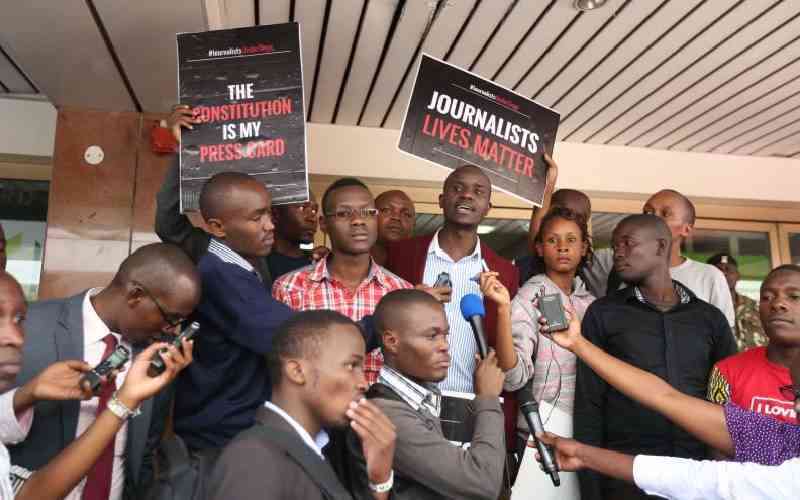
Nearly two-thirds of Kenyan journalists have moderate to severe depressive symptoms, with heavy workloads, long working hours and dissatisfaction with workplace conditions emerging as major concerns in the media industry.
A survey by the Kenya Union of Journalists (KUJ) and the Media Council of Kenya (MCK) found that 65 per cent of the 120 journalists interviewed reported moderate to severe depressive symptoms, including thoughts of self-harm and suicidal ideation.
Despite the findings, only 25 per cent of respondents had sought professional mental health support in the preceding two years.
The survey linked the reported symptoms to several workplace and financial pressures, including increased workloads, poor remuneration, job insecurity and lack of fulfilment at work.
More than 65 per cent of journalists said their workloads had increased over the past five years without corresponding improvements in pay or allowances.
On average, journalists work 8.5 hours daily, with many also reporting dissatisfaction with their workplace environments.
The findings also point to growing discontent within newsrooms, with 89 per cent of respondents actively seeking employment outside their current workplaces. One in three said they planned to leave the profession at the earliest opportunity.
KUJ Secretary-General Eric Oduor said journalists' welfare had a direct bearing on their ability to perform their duties and serve the public.
"We cannot turn a blind eye to the welfare of journalists because their morale has an impact on their output. We cannot expect a journalist who is not properly remunerated to play the watchdog role, speak truth to power and serve the common good of the society," said Oduor.
He called for discussions on lasting solutions to the working conditions facing journalists, arguing that their welfare should be taken seriously by industry stakeholders.
Media Council of Kenya Chief Executive David Omwoyo said the survey provided a basis for engagement on improving journalists' welfare.
The findings raise questions about the support available to media workers, particularly those facing sustained pressure from demanding assignments, tight deadlines and uncertain employment arrangements.
They also point to a potential retention challenge for media organisations, with a significant proportion of respondents considering opportunities outside their current workplaces or the profession altogether.
The survey was released during the National Day of Journalists' Welfare, where stakeholders also discussed financial security and social protection for media workers.
Stay informed. Subscribe to our newsletter







Subscribe to our newsletter and stay updated on the latest developments and special offers!