×

The Standard e-Paper
Smart Minds Choose Us
 The Standard Group Plc is a
multi-media organization with investments in media platforms spanning newspaper
print operations, television, radio broadcasting, digital and online services. The
Standard Group is recognized as a leading multi-media house in Kenya with a key
influence in matters of national and international interest.

Audio By Vocalize
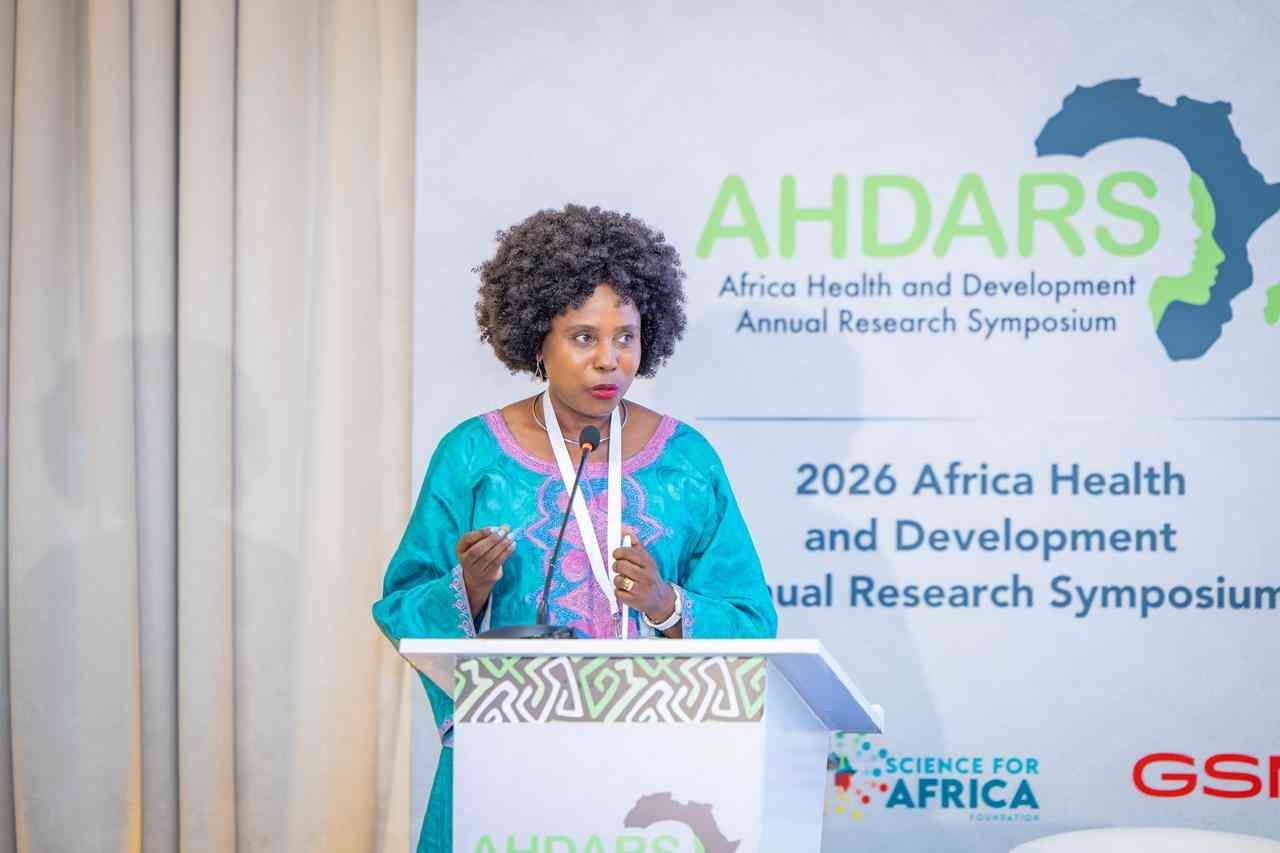
African scientists must shift from prioritising academic publications to developing homegrown solutions that address the continent's pressing challenges, experts have said.
They warn that Africa risks remaining a consumer of foreign knowledge and technology unless governments and research institutions invest in locally driven research and ensure scientific findings translate into practical interventions.
African Population and Health Research Centre (APHRC) Executive Director Catherine Kyobutungi said the continent's ability to develop homegrown solutions depended on who funds research, determines its priorities and controls the resulting data.
Speaking during the third Africa Health and Development Annual Research Symposium in Nairobi, she identified inadequate domestic funding as a major obstacle, noting that much of the research conducted in Africa relies on external financing.
“The biggest challenge that we currently face is funding, that a lot of the data production, especially from science and academia, is not funded by African governments. So you can see that the beginning point of ownership is actually funding that data,” she said.
She argued that ownership should go beyond having African scientists lead studies funded by foreign institutions. African governments must also determine research priorities to ensure studies address local development needs rather than predominantly serving external interests.
She urged governments to identify priority research areas and communicate them to scientists and funding institutions.
In the short term, she challenged African researchers to prioritise generating knowledge that serves the continent.
“Their role is not just to produce data for the world. That's a secondary role. Their primary role is to produce data for Africa,” she said.
Kyobutungi also called for reforms in universities and research institutions, arguing that academic promotion systems place excessive emphasis on publishing papers rather than producing solutions.
She said researchers should also be recognised for work that influences public policy, improves government programmes, drives innovation and changes community behaviour.
“If you keep on writing papers, it's very difficult to shift people because people do what is rewarded,” she said.
She further challenged governments, Parliament and ministries to establish platforms that regularly bring researchers and policymakers together to ensure evidence informs decision-making.
“We need demand from the decision-maker side so we can supply. Right now, it's mostly supply. We supply, supply, supply, and when we supply, and there's no demand, the supply just falls by the wayside,” she said.
The symposium also highlighted the need for African-generated evidence in addressing healthcare, food security, agriculture and climate change.
Stay informed. Subscribe to our newsletter
The Science for Africa Foundation cited its support for researchers undertaking clinical trials in the Democratic Republic of Congo, saying local research was critical in developing medical interventions and strengthening responses to disease outbreaks.
The Pan-African Parliament's Professor Margaret Kamar from Moi University said African-generated evidence was equally important in developing legislation covering climate change, food security, health security and nutrition.
Meanwhile, experts called for increased government investment in science, technology and innovation. Kenya's research allocation was cited at 0.78 per cent of Gross Domestic Product, with calls to raise it to two per cent.
The two-day symposium, organised by APHRC, the Science for Africa Foundation and GSMA Africa, is expected to culminate in the launch of the Africa Evidence Outlook report.
Participants said Africa must move beyond producing knowledge for international recognition and build a research ecosystem that delivers practical solutions to its communities.








Subscribe to our newsletter and stay updated on the latest developments and special offers!

