×

The Standard e-Paper
Home To Bold Columnists
 The Standard Group Plc is a
multi-media organization with investments in media platforms spanning newspaper
print operations, television, radio broadcasting, digital and online services. The
Standard Group is recognized as a leading multi-media house in Kenya with a key
influence in matters of national and international interest.
The Standard Group Plc is a
multi-media organization with investments in media platforms spanning newspaper
print operations, television, radio broadcasting, digital and online services. The
Standard Group is recognized as a leading multi-media house in Kenya with a key
influence in matters of national and international interest.

Audio By Vocalize

During a recent working tour of Kisumu, Homa Bay, Migori, and Siaya counties, I witnessed immense irrigation potential within the Nyanza region.
After engaging with farmers, inspecting ongoing projects, and consulting with county leaders and technical teams, I am convinced that Nyanza holds the key to reducing, if not decisively closing, Kenya’s rice deficit.
Kenya produces approximately 305,000 metric tons of rice annually against a national consumption of nearly one million metric tons. This leaves a deficit of between 700,000 and 800,000 metric tons, which we meet through imports. The heavy import bill strains our foreign exchange reserves and exposes the country to global supply disruptions and price volatility.
Expanding and modernising irrigation infrastructure, particularly in Nyanza, where we are endowed with abundant water resources and fertile land, is central to narrowing this gap and strengthening our food sovereignty. In Kisumu County, the Ahero and West Kano irrigation schemes, including ongoing expansions, currently cover about 13,000 acres and remain the backbone of rice production in the region. We are engaging the Japan International Cooperation Agency (JICA) to rehabilitate and modernise Ahero to improve water conveyance, reduce losses, and enhance overall efficiency.
Through cooperation with Hungary, we are installing solar-powered pumping systems to increase water supply while lowering operational costs for farmers. This shift to renewable energy will make irrigation more sustainable.
The planned Koru-Soin Dam, prioritised under the National Infrastructure Fund, will open up an additional 30,000 acres for rice production upon completion. With these strategic interventions, Kisumu is poised to produce over 240,800 metric tons of rice annually.
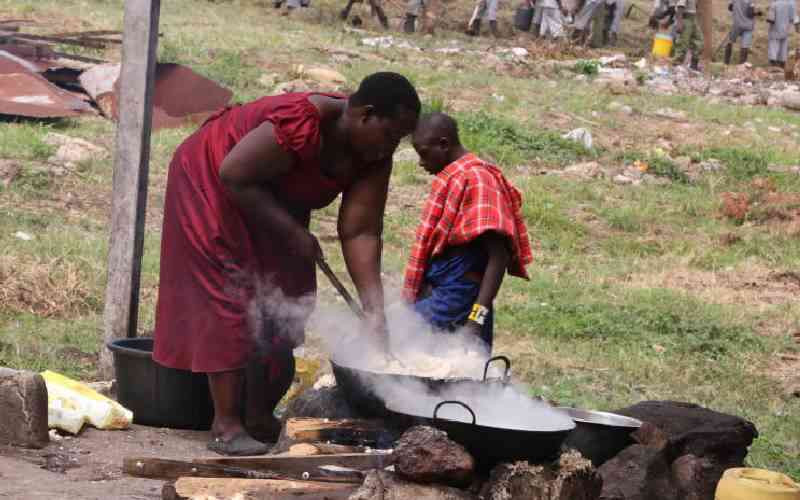
In Homa Bay County, the Oluch-Kimira Irrigation Project is set for rehabilitation to restore critical infrastructure and improve productivity across more than 4,000 acres. Once revitalised, the scheme is projected to produce over 22,400 metric tons annually, while creating employment opportunities and increasing household incomes.
Migori County is fast emerging as one of Kenya’s most promising rice frontiers. The Lower Kuja Irrigation Project currently covers 9,000 acres, with expansion plans to reach 19,000 acres by 2027. This scale-up will support production of an estimated 106,400 metric tons of rice annually.
In Siaya County, the Lower Nzoia Irrigation Project will bring 10,000 acres under irrigation, with 4,500 acres dedicated to rice cultivation. This is expected to inject approximately 25,200 metric tons into the national grain basket, while simultaneously addressing perennial flooding challenges in the area. If fully harnessed, Nyanza has the potential to produce over 400,000 metric tons of rice annually. This targeted initiative could cut the rice import bill by an estimated Sh22 billion yearly, keeping valuable resources within our economy.
This transformation is being undertaken in close collaboration with the Ministry of Agriculture and Livestock Development and county governments. While the State Department for Irrigation focuses on expanding and modernising water infrastructure, our partners are strengthening extension services, promoting certified seed use, supporting mechanisation, and improving aggregation systems to drive productivity.
With sustained collaboration between the national government, county governments, development partners, private investors, and farmers, Nyanza can decisively bridge Kenya’s rice deficit.
-Writer is PS, State Department for Irrigation



Subscribe to our newsletter and stay updated on the latest developments and special offers!






 join
join