×

The Standard e-Paper
Smart Minds Choose Us
 The Standard Group Plc is a
multi-media organization with investments in media platforms spanning newspaper
print operations, television, radio broadcasting, digital and online services. The
Standard Group is recognized as a leading multi-media house in Kenya with a key
influence in matters of national and international interest.
The Standard Group Plc is a
multi-media organization with investments in media platforms spanning newspaper
print operations, television, radio broadcasting, digital and online services. The
Standard Group is recognized as a leading multi-media house in Kenya with a key
influence in matters of national and international interest.

Audio By Vocalize

I recently undertook a road journey on an overland truck, travelling from Nairobi through Tanzania, Malawi, Zambia, Zimbabwe, Botswana and finally South Africa. It was not merely a physical crossing of borders, but a rare opportunity to observe the continent from the ground, the roads, the markets, the bus stops and the informal trading centres where Africa’s real economy lives.
Across these countries, one truth stood out: African people share an indefatigable spirit. From Dodoma to Harare, from Blantyre to Gaborone, people rise early, work long hours and trade relentlessly despite inflation, unemployment, weak currencies and infrastructure gaps.
The similarity of daily life is so striking that one could easily mistake Lusaka for Nairobi or Dar-es-Salaam. Our economic realities mirror each other more than our political narratives admit.
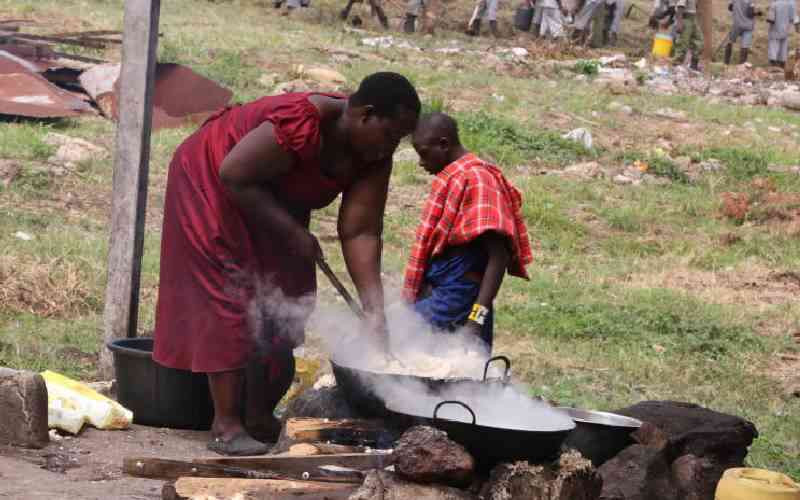
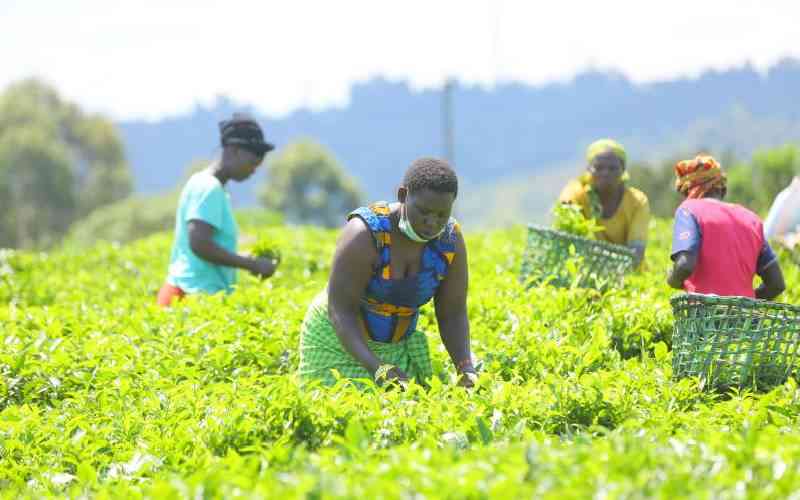
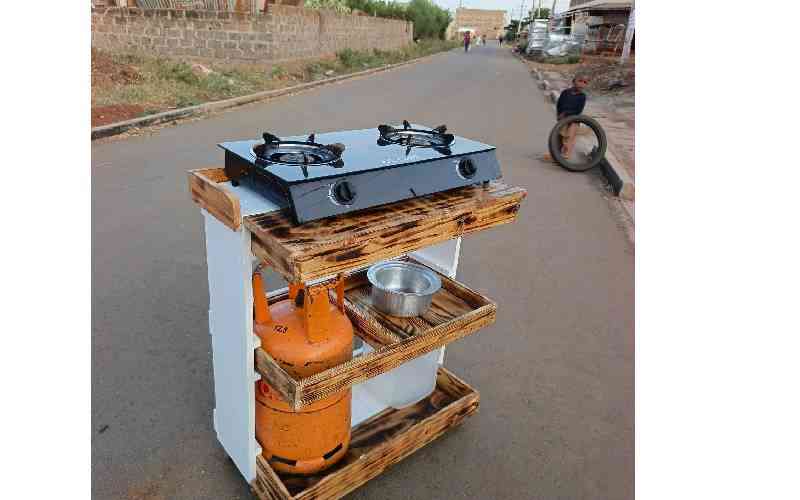
Much of Africa’s economy is informal and road-based. The roadside trader, the open-air market, the boda boda stage and the mobile money agent form the backbone of daily commerce. These informal systems employ most Africans and keep cities functioning even when formal institutions falter.
Economic DNA
Yet despite sharing the same economic DNA, African states continue to operate as isolated silos, divided by borders drawn without reference to social or commercial realities.
These divisions are not natural. They are learned and reinforced through education systems, media narratives and governance structures that prioritise national identity over continental belonging.
If Africa is to meaningfully integrate, not just on paper but in lived reality, it must first integrate linguistically. Language is the most powerful and lowest-cost infrastructure for cooperation. It reduces transaction costs, builds trust, improves labour mobility, and makes trade intuitive rather than bureaucratic. No customs union, free trade agreement, or development corridor can succeed without a shared means of everyday communication.
Kiswahili offers Africa a historic opportunity. Already spoken by over 200 million people as a first or second language across East, Central and parts of Southern Africa, Kiswahili is indigenous, neutral and deeply rooted in African trade and culture. It does not belong to any single ethnic group or modern state. It is the only African language with a continental footprint large enough to serve as a practical unifier.
The bold step now is deliberate scaling.
By 2030, African governments could adopt a harmonised education policy requiring Kiswahili to be taught in schools across the continent as a compulsory second language. This would not replace national languages, but complement them just as English, Arabic, and French do today. Such a move would cost a fraction of what Africa currently spends on physical infrastructure yet deliver outsised returns in social cohesion and economic integration.
A harmonised continental Kiswahili curriculum would also create thousands of jobs and new avenues for cultural exchange. Teachers, curriculum developers, examiners, authors and translators would be needed across Africa.
This would encourage professional mobility as educators move between countries to teach, train and collaborate, accelerating cultural understanding, strengthening people-to-people ties and giving young Africans opportunities to live, work and learn across borders in ways previously reserved for a privileged few.
By 2050, Africa could conservatively have over 500 million Kiswahili speakers. By 2060, more than one billion.
At that point, Africa would possess something no other developing region has ever had: A shared indigenous working language spanning 54 countries and over 1.5 billion people. Trade would become easier, labour mobility would increase, regional supply chains would deepen, and Pan-African media, education, technology and political dialogue would flourish.
Stay informed. Subscribe to our newsletter
Africa already shares its roads, markets and struggles. What remains is to share a language and with it, a common destiny.


Subscribe to our newsletter and stay updated on the latest developments and special offers!






 join
join