×

The Standard e-Paper
Join Thousands Daily
 The Standard Group Plc is a
multi-media organization with investments in media platforms spanning newspaper
print operations, television, radio broadcasting, digital and online services. The
Standard Group is recognized as a leading multi-media house in Kenya with a key
influence in matters of national and international interest.
The Standard Group Plc is a
multi-media organization with investments in media platforms spanning newspaper
print operations, television, radio broadcasting, digital and online services. The
Standard Group is recognized as a leading multi-media house in Kenya with a key
influence in matters of national and international interest.

Audio By Vocalize

The rains are coming. And this time, we have been warned early enough.
For months, the Kenya Meteorological Department has warned that there is a 99 percent likelihood of high rainfall in most parts of the country, a phenomenon dubbed El Niño, which, according to the World Meteorological Organization, began globally in June and will most likely drag to February 2027.
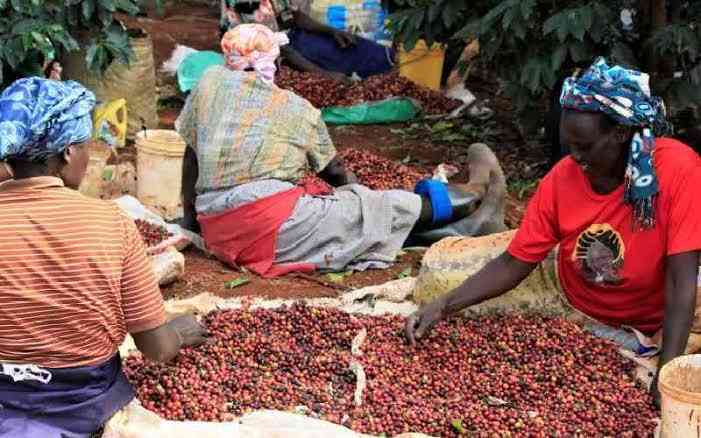
But El Niño will not arrive in a country with a food system operating at full strength. In August, the Ministry of Agriculture and Livestock Development warned that Kenya’s harvest could decline by up to 40% this year following drought and poor rainfall in key food-producing areas in the Central Rift Valley and Mount Kenya region.
The country is also facing a projected maize shortfall of nearly 19 million 90-kilogramme bags following an uneven March-May rainfall season. The price of maize rose by 3.3% in July, while prices of beans have increased by 2.9% in some areas.
Then there is the ongoing milk crisis. Formal deliveries of milk to processors fell by 3.7% from 84.4 million litres in June to 81.3 million litres in July. Some supermarkets in Nairobi have since begun rationing milk, while consumers are paying more for what is one of our most basic household foods. Overall, Kenya’s food inflation stood at 9% in August.
But it is not food prices alone that may be wrecked by the upcoming rains. Global oil prices have surged above $100 dollars a barrel, with the price of Brent crude closing at more than $107 dollars this week amid the disruptions in the Middle East.
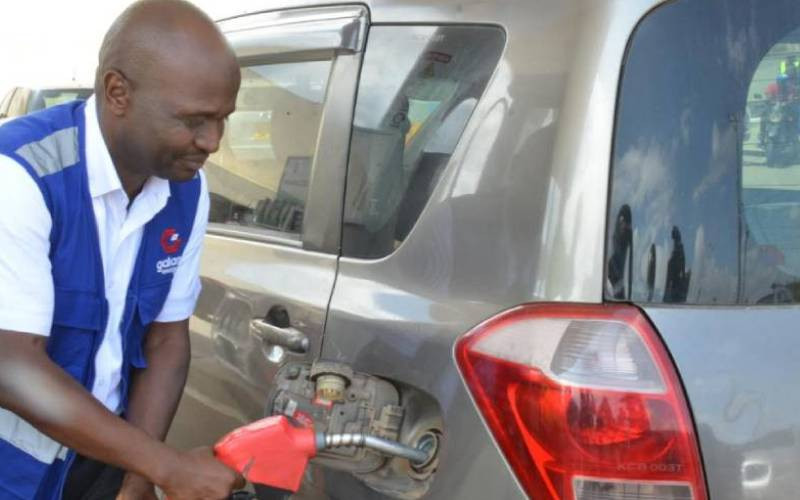
Here at home, a litre of diesel in Nairobi costs about 218 shillings, and there is a high likelihood of it rising as heavy rainfall cuts off the road network. Since our food systems depend on tractors, irrigation pumps, refrigerated trucks and thousands of kilometres of road transport, increases in fuel prices will raise food prices.
So, when we talk about El Niño, we must understand what it is arriving into. Kenya’s food system is already under strain. The question should not be simply whether Kenya is prepared for El Niño, but will our food systems will hold against potential disruptions to the farming cycle. For years now, we have become good at telling farmers that a climate shock is coming, but we always end at the warning stage without ensuring they have the means to act on that information.
Tell a young farmer in Meru that unusually heavy rainfall is expected. What happens next? Can she access suitable seeds? Can she afford crop insurance? Is an extension officer available? Is there proper drainage around her farm? And if the roads become impassable, what happens to her harvest? A weather warning might be useful, but it does not give her the power to respond.
That distinction matters. Too often we design solutions for farmers rather than with them. Experts diagnose the problem, institutions develop programmes, and communities are invited when most of the important decisions have already been made. Yet the persons standing in the field when the rain arrives often understand vulnerabilities that cannot be seen from a conference room.
This is something that the Youth in Just Food Systems Transition research programme at INCLUDE has reinforced. Evidence from case studies conducted in Benin, Ghana, Rwanda, Somalia, and South Africa indicate that transforming food systems and making them resilient to withstands climate shocks is not simply about producing more food, creating jobs, or introducing new technology. We must ask harder questions: Who benefits? Who participates? Who gets left behind?
The organization also developed a unique framework on Meaningful Youth Engagement called the 4 I’s Framework (Intentional, Inclusive, Intersection, and Impactful), which means involving youth before decisions are made, deliberately reaching those whose voices are usually absent, recognizing that climate shocks affect different groups differently, and ensuring that participation in El Nino discussions actually influences policies, programmes, and budgets. Otherwise, we are simply filling seats.
As counties prepare for El Niño, farmers should be sitting at the preparedness table alongside meteorologists, extension officers, businesses, and policymakers. Early warning must also be matched by early action on availing affordable inputs, extension support, crop insurance, functioning drainage, and reliable storage facilities.
If El Niño finds us counting the losses afterwards and rebuilding what was destroyed, then we will have learnt very little despite all the investments in early warning and response. The real test of El Niño is whether Kenya's food system and the people who keep it running can withstand what comes with it.
Stay informed. Subscribe to our newsletter

Subscribe to our newsletter and stay updated on the latest developments and special offers!







 join
join