×

The Standard e-Paper
Smart Minds Choose Us
 The Standard Group Plc is a
multi-media organization with investments in media platforms spanning newspaper
print operations, television, radio broadcasting, digital and online services. The
Standard Group is recognized as a leading multi-media house in Kenya with a key
influence in matters of national and international interest.
The Standard Group Plc is a
multi-media organization with investments in media platforms spanning newspaper
print operations, television, radio broadcasting, digital and online services. The
Standard Group is recognized as a leading multi-media house in Kenya with a key
influence in matters of national and international interest.

Audio By Vocalize
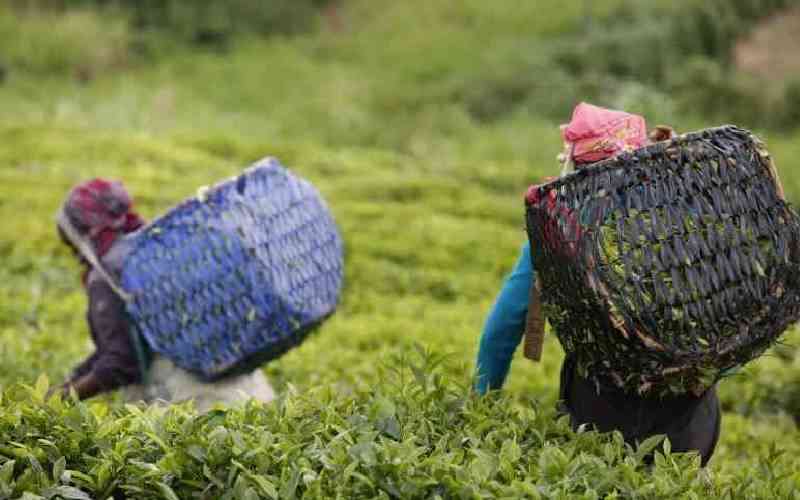
A section of tea farmers in Bomet County is calling for a review of the monthly green leaf rates.
The farmers from Kapset/Rorok tea factories in Konoin Subcounty, led by Nixon Cheruiyot, criticised factory boards for sticking to Sh23 instead of Sh26 as promised by the government.
He said Agriculture Principal Secretary Kiprono Ronoh has instructed the factory boards to increase the rate to Sh26.
Cheruiyot stated, "We demand an explanation from the factory board on why they defied the PS directive. We have issued a seven-day ultimatum for an explanation."
The farmers threatened to halt factory operations if their concerns were not addressed. Last week, PS Ronoh ordered an immediate review of green leaf payments, establishing a minimum of Sh 26 per kilogram.
He emphasised that reviewing monthly pay is crucial for fairness in the tea sector and expressed disappointment that some factory boards are ignoring directives and maintaining lower rates, which undermines farmers’ earnings.
Rono highlighted that KTDA had clearly instructed factories in the Rift to pay Sh 26 per kilo, but some reverted to Sh 23, which must stop immediately, with sanctions for underpayment.
However, factories in Bomet and Kericho have decided to keep the rate at Sh 23 due to weak market conditions and limited finances, a decision made during a regional meeting at Kapkatet Tea Factory involving KTDA management.
The boards explained that low auction prices and reduced tea absorption in the 2024/2025 financial year have hurt revenues and cash flow.
They emphasised that the volume of green leaf delivered has decreased, further impacting factory finances and farmer payments, but urged farmers to continue delivering to enable better earnings when market conditions improve.
The boards also mentioned that while the current rate remains at Sh 23, they are open to reviewing and potentially increasing it if factory performance improves, focusing on cost control and efficiency.
They appealed to farmers to maintain high plucking standards, as quality influences auction prices and farmers' payments.
This cautious approach reflects similar decisions across other KTDA zones, amid ongoing market uncertainty.







Subscribe to our newsletter and stay updated on the latest developments and special offers!







 join
join