×

The Standard e-Paper
Stay Informed, Even Offline
 The Standard Group Plc is a
multi-media organization with investments in media platforms spanning newspaper
print operations, television, radio broadcasting, digital and online services. The
Standard Group is recognized as a leading multi-media house in Kenya with a key
influence in matters of national and international interest.
The Standard Group Plc is a
multi-media organization with investments in media platforms spanning newspaper
print operations, television, radio broadcasting, digital and online services. The
Standard Group is recognized as a leading multi-media house in Kenya with a key
influence in matters of national and international interest.

Audio By Vocalize
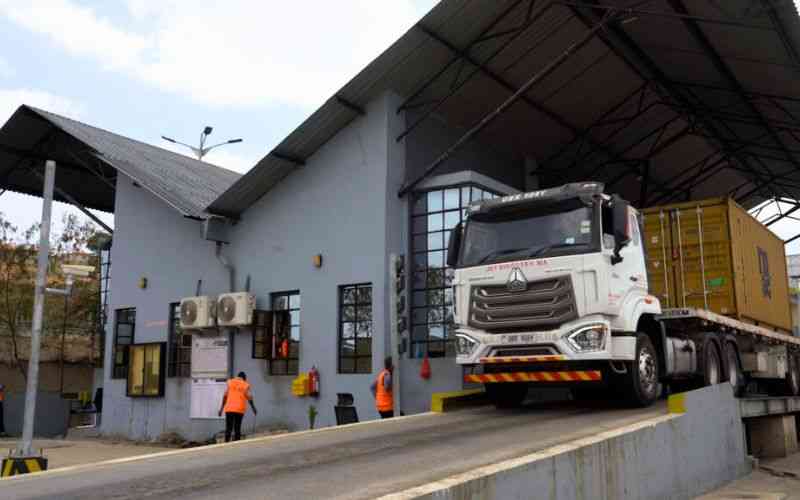
More than 8,000 heavy commercial trucks pass through the Mariakani Weighbridge every day, making it one of Kenya's busiest freight inspection points.
Behind the scenes, a network of automated technology is quietly transforming how overloaded trucks are detected while significantly reducing opportunities for corruption.
The Mariakani weighbridge is managed by Ebenezer Commercial Works on behalf of the Kenya National Highways Authority (KeNHA).
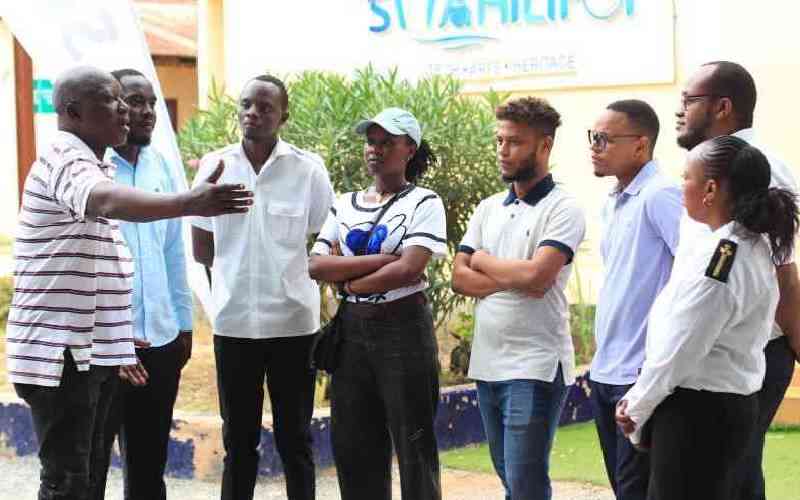
Mr George Ngugi, the Operations Manager, says that the company is in charge of the mobile units and the static weighbridge over 1,466 kilometres of roads in the Coast.
Data shows from KeNHA shows that the Mariakani station currently records a compliance rate of about 98.5 per cent, with authorities aiming to improve that figure further through engagement with transporters.
Unlike older systems that relied heavily on manual inspection, Ngugi explains that today's enforcement process begins long before a truck reaches the weighbridge.
Every truck first passes over a high-speed weigh-in-motion system that automatically measures its weight while it is still moving. The data is captured electronically before the vehicle reaches the static inspection area.
"The first point of weighing is the high-speed motion before you get to the static. Before you get to the static, you have already been weighed," said Ngugi.
If the system detects possible overloading, the truck is automatically directed to the static weighbridge for further verification, reducing the possibility of drivers bypassing inspections.
One of the biggest changes, he said, has been the integration of the weighbridge system with the government's eCitizen platform.
Whenever an overloaded vehicle is detected, the system automatically generates an invoice through eCitizen, eliminating manual billing and reducing opportunities for officers to interfere with penalties or accept unofficial payments.
"The moment we detect an overload, we create an invoice through eCitizen. All the information remains in the system," Ngugi said.
He adds that even if someone attempts to interfere with the physical process, the electronic records remain available for auditing, making it easier to detect irregularities.
The weighbridge network is linked to a central management system operated from KenHA headquarters, where vehicle data and enforcement records are monitored in real time.
According to Ngugi, this centralised oversight makes it significantly more difficult for local staff to manipulate records or alter enforcement decisions without detection.
Stay informed. Subscribe to our newsletter
"All weighbridges are integrated with management systems. The system sits at KeNHA headquarters, so there is no way to bypass all that," he said.
Authorities say the technology is helping improve transparency while protecting Kenya's road infrastructure from the costly damage caused by overloaded trucks. Excess axle loads remain one of the leading causes of premature road deterioration, increasing maintenance costs and shortening the lifespan of highways across the country.
As Kenya continues to modernise its transport infrastructure, officials believe digital enforcement systems such as those deployed at Mariakani will play an increasingly important role in ensuring compliance while minimising opportunities for corruption.




Subscribe to our newsletter and stay updated on the latest developments and special offers!







 join
join