×

The Standard e-Paper
Stay Informed, Even Offline
 The Standard Group Plc is a
multi-media organization with investments in media platforms spanning newspaper
print operations, television, radio broadcasting, digital and online services. The
Standard Group is recognized as a leading multi-media house in Kenya with a key
influence in matters of national and international interest.

Audio By Vocalize
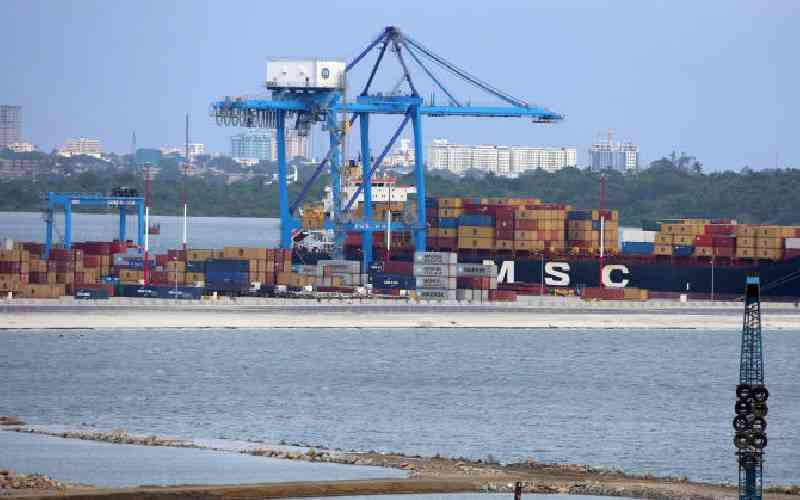
The Port of Mombasa is heading into the December peak cargo season with a significantly improved operational record compared with last year, when more than 50 vessels were reportedly waiting for berthing.
This led to cargo movement disruption and raised concerns over the efficiency of Kenya's principal maritime gateway.
This week, the number of vessels waiting for berthing has dropped to zero, signalling a major improvement in vessel turnaround and port operations following a series of interventions introduced by the Kenya Ports Authority (KPA) and other industry players.
Kenya Ships Agents Association Chief Executive Elijah Mbaru said shipping lines had reviewed their fleet management strategies following last year's congestion, with operators increasingly deploying larger vessels as part of efforts to manage capacity and improve operational efficiency.
The adjustments reflect the shipping industry's response to the challenges experienced during the previous peak season, when vessel queues exposed weaknesses in the coordination of shipping schedules, berthing arrangements, cargo handling and evacuation.
“Shipping lines, KPA and KRA [Kenya Revenue Authority] must work closely to ensure efficient vessel scheduling, berthing, cargo handling and customs clearance to prevent a recurrence of last year's congestion,” said Mbaru.
Shipping lines determine vessel deployment, fleet capacity and arrival schedules, while KPA is responsible for berthing, cargo handling and port infrastructure. KRA, on the other hand, plays a central role in customs processing and the release of imported cargo.
Inefficiencies at any of these points can quickly translate into vessel delays, congestion within port yards and slower cargo evacuation.
The Shippers Council of Eastern Africa (SCEA) has also underscored the importance of involving other government agencies in the ongoing port reforms.
SCEA Chief Executive Ogambi Agayo said the reform process should extend beyond the principal port and customs institutions to incorporate other government agencies involved in cargo regulation, inspection and clearance.
“Port reforms must bring all relevant government agencies on board because cargo clearance involves multiple regulatory institutions. Delays in their approvals and procedures can undermine efficiency and slow the movement of cargo out of the port,” said Agayo.
KPA says it has shifted from responding to congestion after vessels arrive to planning cargo-handling and evacuation requirements.
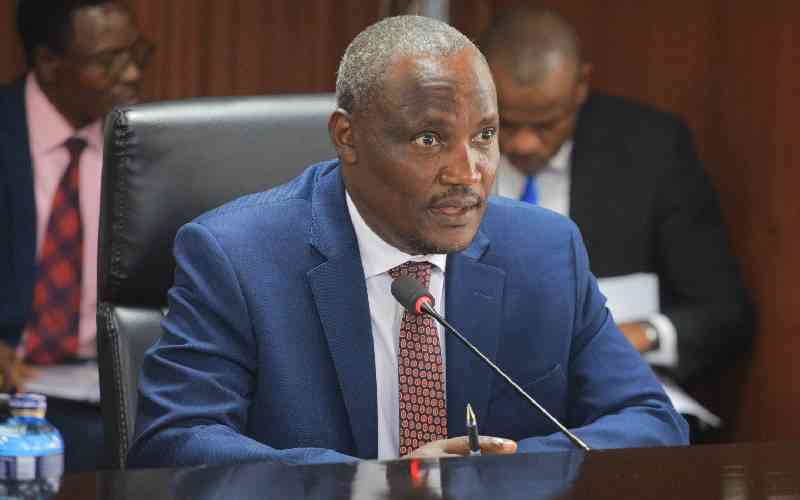
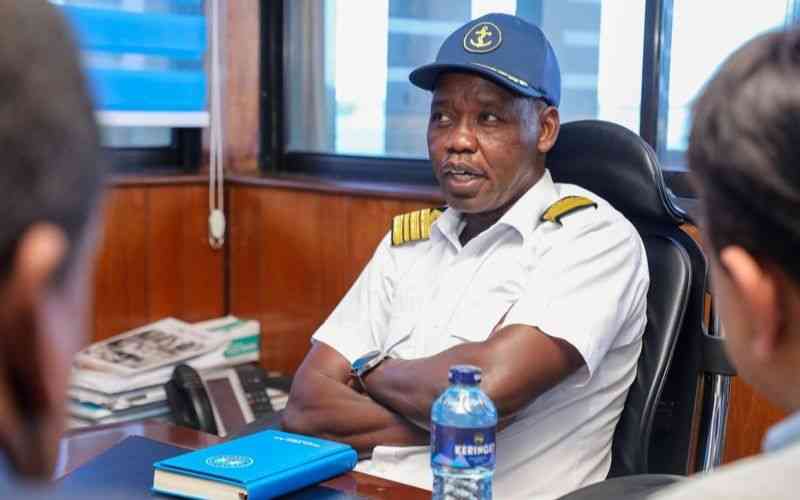
Chief Executive Capt William Ruto said the authority had strengthened coordination with key stakeholders, including KRA, the Standard Gauge Railway (SGR) and the Nairobi Inland Container Depot (ICD), to ensure cargo clearance and evacuation arrangements are ready ahead of vessel arrivals.
“We have shifted to planning, coordinating with key players ahead of vessel arrivals to ensure timely cargo clearance and evacuation, reduce vessel waiting time and improve port efficiency,” said Ruto.
Pre-arrival clearance has become a central component of the strategy, allowing documentation and regulatory processes to begin before cargo reaches Mombasa.
Stay informed. Subscribe to our newsletter
This enables importers and clearing agents to prepare for the release and movement of their consignments.
The authority has also worked with industry players to increase the number of empty container depots serving Mombasa from five during last year's peak season to 10 this year.
The additional facilities provide more storage and repositioning capacity for empty containers, helping reduce pressure on port yards and freeing up space for incoming cargo.
KPA has meanwhile introduced greater flexibility in berth utilisation. Berth 4 has been converted into a multipurpose facility handling containers and bulk cargo, while Berth 20 is being used for both vehicle and container traffic.
Ruto said improvements in equipment utilisation, workforce coordination and berth productivity had enabled the port to achieve 1,000 container moves in a single shift.
The measures are intended to ensure that vessel discharge, cargo clearance and evacuation operate as interconnected processes, reducing the risk of congestion shifting from one part of the logistics chain to another.
The operational improvements come against a backdrop of sustained growth in cargo volumes, increasing pressure on Mombasa as Kenya's principal maritime gateway and a major entry point for regional transit trade.
The port handled a record 45.45 million metric tonnes in 2025, compared with 40.99 million tonnes in 2024, representing growth of 10.9 per cent.
Container traffic increased by 5.5 per cent to 2.11 million twenty-foot equivalent units (TEUs), up from two million TEUs in 2024, while transit cargo rose by 19.5 per cent to 15.88 million tonnes from 13.29 million tonnes.
The upward trend has continued into 2026. Between January and October, cargo throughput at the Ports of Mombasa and Lamu increased by 7.5 per cent to 40.08 million metric tonnes, compared with 37.29 million tonnes during the corresponding period last year.
Container traffic grew by 12 per cent to 1.97 million TEUs from 1.76 million TEUs. The figures were announced by KPA General Manager, Supply Chain Management, Evelyn Shigoli, who represented Ruto during the authority's Corporate Golf Tournament Coast Circuit gala dinner.
Shigoli attributed the growth to sustained investment in port infrastructure, modernisation of equipment, operational efficiency and digital transformation initiatives.
The rising transit volumes are particularly significant for landlocked economies, including Uganda, Rwanda, Burundi, South Sudan and the eastern Democratic Republic of Congo, which depend on Mombasa for access to international markets.
Beyond immediate preparations for the festive season, KPA is implementing infrastructure and technology projects aimed at accommodating future growth in cargo volumes.
A major investment is the construction of Berth 19B at an estimated cost of Sh19 billion. The 240-metre facility, with a draft of 15 metres, is designed to accommodate vessels of up to 45,000 deadweight tonnes and increase the port's handling capacity by approximately 300,000 TEUs.
Construction progress had reached approximately 56 per cent by October 2026, with sections of the facility expected to be handed over to the authority before the end of the year.
KPA has also invested Sh1 billion in a Vessel Traffic Management and Information System (VTMIS), unveiled in July, to improve marine surveillance, vessel coordination and turnaround times.
The system integrates the Vessel Traffic Services Control Tower, Ras Serani Signal Station and Shimanzi Oil Terminal Radar Site, incorporating real-time vessel tracking, radar surveillance, marine communications, meteorological monitoring and oil-spill detection.
Other investments include a search-and-rescue helicopter and three tugboats valued at approximately Sh1.5 billion to Sh1.6 billion. On the landside, the authority has completed a smart gate at Gate 24 to automate cargo entry and exit procedures, reduce manual interventions and ease traffic congestion around the port.
Despite the encouraging operational improvements, the December peak season will provide a critical test of whether the reforms introduced after last year's congestion can withstand increased demand.
The experience of last year demonstrated that congestion cannot be addressed through infrastructure expansion or increased berth productivity alone. It requires shipping lines to align vessel deployment with port capacity, KPA to maintain efficient cargo handling, KRA to facilitate timely customs clearance, and other government agencies to ensure that regulatory procedures do not become bottlenecks.
The call by shipping agents and shippers for broader institutional coordination therefore introduces an important dimension to the current reforms: port efficiency must be measured across the entire cargo movement chain, rather than at the waterfront alone.
The contrast between more than 50 vessels waiting for berthing during last year's congestion and none recorded this week is encouraging. But maintaining that performance through December will depend on whether shipping lines, port authorities, customs officials and all other government agencies can sustain the coordination needed to keep cargo moving.







Subscribe to our newsletter and stay updated on the latest developments and special offers!