
 The Standard Group Plc is a multi-media organization with investments in media
platforms spanning newspaper print
operations, television, radio broadcasting, digital and online services. The
Standard Group is recognized as a
leading multi-media house in Kenya with a key influence in matters of national
and international interest.
The Standard Group Plc is a multi-media organization with investments in media
platforms spanning newspaper print
operations, television, radio broadcasting, digital and online services. The
Standard Group is recognized as a
leading multi-media house in Kenya with a key influence in matters of national
and international interest.

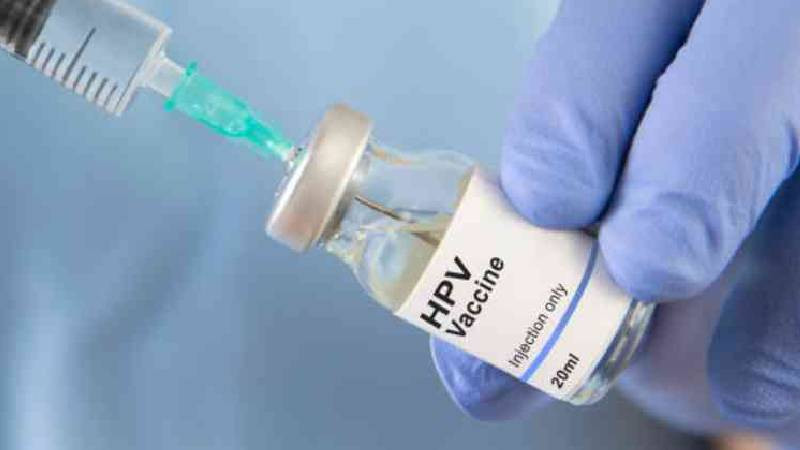
Every day, mothers, daughters, and sisters in Kenya lose their lives to cervical cancer, a largely preventable disease. In 2022 alone, 6,000 women were diagnosed, and 3,600 died. With collective action, the country can turn the tide and become champions of elimination.
Cervical cancer is caused by the human papillomavirus (HPV), a common sexually transmitted infection that is also responsible for other cancers, including those of the throat, anus, and penis. What makes cervical cancer unique is that it is both preventable and treatable through HPV vaccination and early detection using effective screening methods.
Recognising this, the World Health Organization (WHO) has set ambitious targets to eliminate cervical cancer as a public health problem by 2030, with a particular focus on low- and middle-income countries such as Kenya.
The global 90–70–90 strategy calls for vaccinating 90 per cent of girls against HPV by the age of 15, screening 70 per cent of women using high-performance tests such as HPV DNA testing by the ages of 35 and 49, and ensuring that 90 per cent of those diagnosed with cervical disease receive appropriate treatment.
Kenya has taken huge steps towards this goal. Last week, the Ministry of Health launched the 2026–2030 Cervical Cancer Elimination Action Plan, which provides a strong framework to accelerate progress and signals renewed political commitment to end preventable deaths from cervical cancer.
Importantly, the plan recognises that elimination cannot be achieved by the government alone. It calls for collective action, bringing together communities, health workers, faith leaders, civil society, researchers, and development partners.
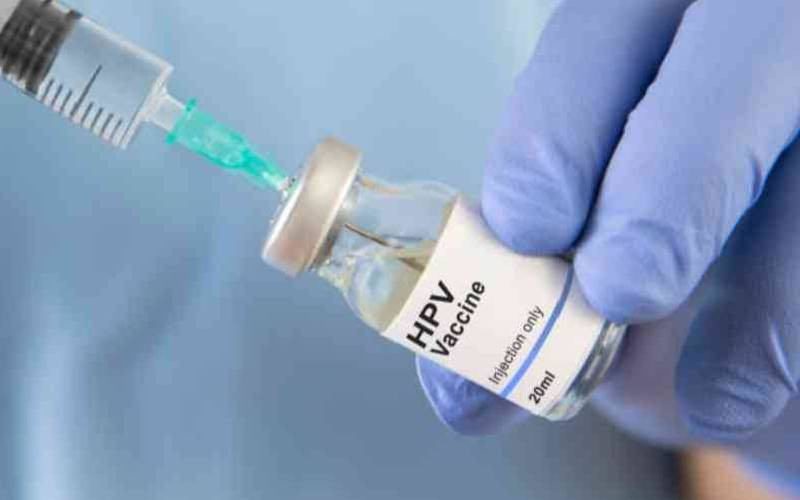
A key pillar of elimination is a strong HPV immunization programme. Kenya introduced HPV vaccination in 2019, targeting girls aged 10–14 years. Initially, the vaccine required multiple doses, creating challenges for follow-up. However, new evidence showed that a single dose is equally effective. In October 2025, the Ministry of Health adopted a single-dose HPV vaccine schedule, simplifying delivery and increasing the potential to reach more girls.
Despite progress, gaps remain. Girls who are homeless, living in refugee settings, or in pastoralist communities are still at risk of being left behind. At the same time, misinformation and disinformation continue to fuel vaccine hesitancy, threatening uptake.
- Exit of US from WHO a big blow to global health, warns experts
- Kenya embraces single-dose HPV vaccine as cervical cancer deaths remain high
- Kenya moves to regulate traditional medicine as 80 pc rely on it for care
- Cancer and HIV remain among leading causes of death among Kenyan women today
Keep Reading
Encouragingly, religious leaders have publicly affirmed their support for HPV vaccination. Countries such as Scotland, Australia, and, more recently, Norway have already shown that cervical cancer elimination is achievable, especially among vaccinated cohorts of women.
Lessons from International Centre for Reproductive Health, Kenya (ICRHK) through its drop-in centers (DICEs) in Kilifi and Mombasa countie,s show that they provide health education on cervical cancer prevention and care, promote HPV vaccination, and offer screening services. This needs to be replicated across the country because no woman should die from cervical cancer.
For the Ministry of Health’s action plan to succeed, urgent steps are needed, such as mobilizing domestic and donor resources, engaging the private sector and civil society and meaningfully involving communities and cervical cancer survivors.
Ouma works with the International Centre for Reproductive Health-Kenya










 join
join