
 The Standard Group Plc is a multi-media organization with investments in media
platforms spanning newspaper print
operations, television, radio broadcasting, digital and online services. The
Standard Group is recognized as a
leading multi-media house in Kenya with a key influence in matters of national
and international interest.
The Standard Group Plc is a multi-media organization with investments in media
platforms spanning newspaper print
operations, television, radio broadcasting, digital and online services. The
Standard Group is recognized as a
leading multi-media house in Kenya with a key influence in matters of national
and international interest.

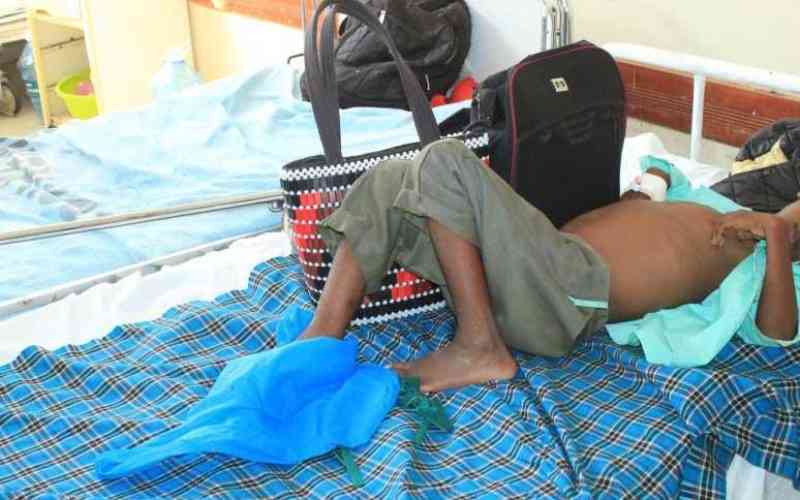
Residents of remote areas in Kajiado West Sub-County are in a panic following a surge in Kala-azar disease.
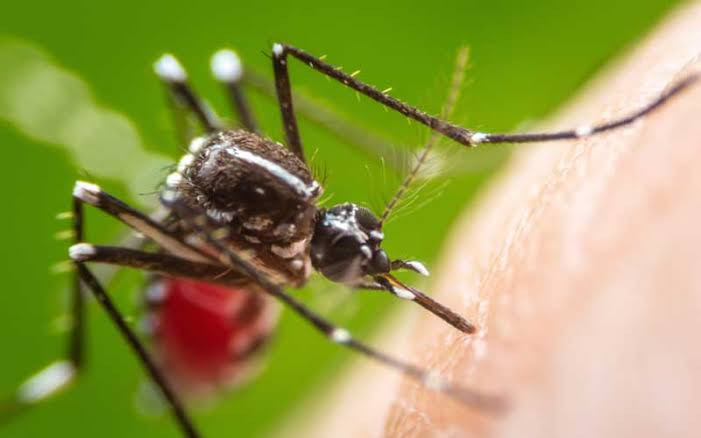
Kala-azar, medically known as leishmaniasis, is a neglected tropical disease transmitted through the bite of infected sandflies.
According to the area MOH officer, Dr Eliud Pariken, the disease presents with symptoms including prolonged high fever, drastic weight loss, and severe anaemia, and can be fatal if untreated.
He said health records indicate that more than 214 cases, including 12 reported in January alone, have been diagnosed in the past year in Kajiado West Sub-County, with Osonorua and Oltepesi areas identified as major hotspots.
The situation has caused fresh panic following the recent diagnosis of visceral leishmaniasis, the more severe form of Kala-azar that attacks internal organs.
“We have been working tirelessly to fight this disease; however, much more needs to be done. It is a disease of its kind and needs greater attention,” said Dr Pariken.
He said children aged between two and 15 years are the most affected, an ordeal that has left many parents distressed and desperate for help.
The Standard visited patients at Osonorua and Oltepesi health centres, where they narrated painful experiences of delayed treatment, long distances to medical facilities, and fear of further spread if urgent interventions are not implemented.
- Neglected killer: kala-azar disease surges in Kenya
- Fighting climate change: Kajiado residents convert seasonal river into a resilience lifeline
- Silent invaders: Mosquitoes and sandflies spreading in new areas
Keep Reading
Some patients admitted were initially relying on traditional herbalists and herbal concoctions, especially for skin-related infections. However, they said internal organ infections did not respond to such remedies, forcing them to seek medical care late, when the disease had already progressed to life-threatening stages.
“When I realised my daughter was suffering from this disease, I first sought treatment from a traditional herbalist. However, the remedy failed, and I went to Osonorua Dispensary, where she is now being treated,” said Tabitha Sein.
Residents and health workers cite abject poverty, low disease awareness, and poor access to healthcare services as major contributors to the worsening situation.
Medics warn that late presentation has complicated treatment outcomes, noting that most patients only seek medical attention when the disease is already advanced.
“This is a very dangerous disease; if ignored, it can kill someone very easily,” said Dr Martin Wainaina, in charge of Osonorua Dispensary.
According to health officials, a significant number of patients were identified through a community case search programme conducted by the Drugs for Neglected Diseases Initiative (DNDi) in collaboration with community health volunteers.
Patients diagnosed with visceral leishmaniasis are referred to Kajiado County Referral Hospital, with only three other health facilities in the region currently equipped to test for Kala-azar, a gap that health experts say must urgently be addressed to curb further spread.











 join
join