
 The Standard Group Plc is a multi-media organization with investments in media
platforms spanning newspaper print
operations, television, radio broadcasting, digital and online services. The
Standard Group is recognized as a
leading multi-media house in Kenya with a key influence in matters of national
and international interest.
The Standard Group Plc is a multi-media organization with investments in media
platforms spanning newspaper print
operations, television, radio broadcasting, digital and online services. The
Standard Group is recognized as a
leading multi-media house in Kenya with a key influence in matters of national
and international interest.


Kenya’s private health sector is raising concerns over widening gaps in health financing, warning that ongoing reforms risk leaving millions of low-income earners without access to care if implementation challenges are not urgently addressed.
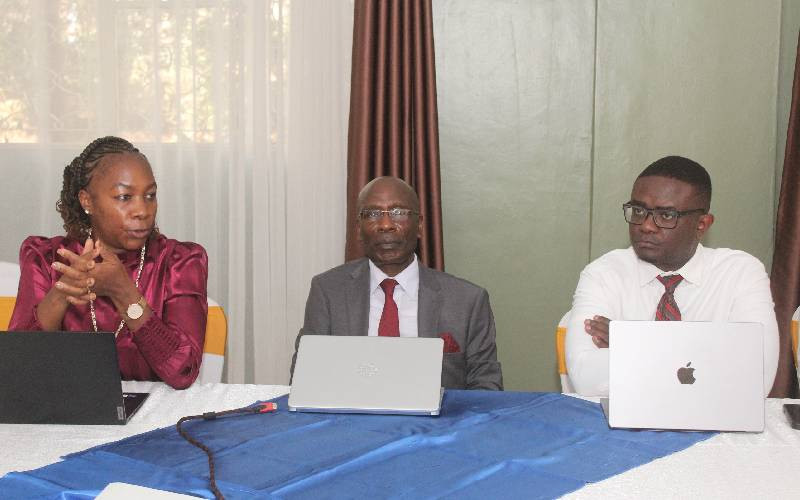
At the 7th Annual Convention of the Rural and Urban Private Hospitals Association (Rupha) in Nairobi, held under the theme “From Reform to Resilience: Building Sustainable, High-Quality Healthcare Systems in Kenya”, stakeholders said financial strain within the system is already affecting service delivery, particularly in rural and underserved communities.
Private hospitals under Rupha have previously raised concerns over delayed reimbursements and unclear payment structures, issues that have, in some cases, strained service delivery and heightened tensions between providers and the State insurer.
Dr Brian Lishenga, Rupha chair, said healthcare providers are operating under increasing pressure from rising costs, delayed payments, and complex regulations. “We are looking at a situation where providers have cash flow challenges, new regulations, and a high cost of doing business,” he said. “We have good policies, but poor implementation. There is a gap between the idea and execution.”
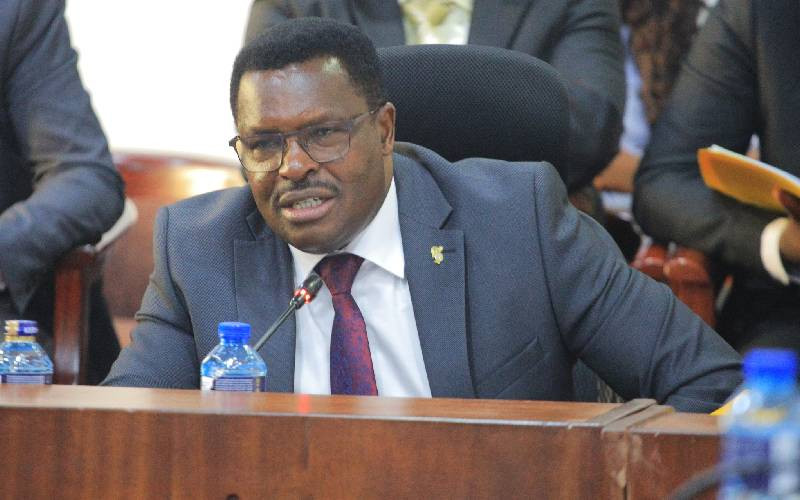
A key concern raised was the performance of the Social Health Authority (SHA), which replaced the National Health Insurance Fund (NHIF). Stakeholders noted that while the reforms were designed to expand universal health coverage, structural weaknesses remain.
The challenges are most pronounced among low-income earners working in the informal sector, who form the majority of Kenya’s workforce but struggle to make consistent contributions.
According to Rupha vice chair Joseph Kariuki, more than 90 per cent of informal workers are not actively contributing to the national scheme.
“The system is designed for people with predictable incomes, but that is not the reality for most Kenyans,” he said. “These are people earning daily or weekly wages, and they cannot afford to pay large annual premiums at once.”
- Sh11bn lost to SHA fraud as government closes 1,118 health facilities
- Counties defend SHA highlight health gains
- Let all mothers give birth free of charge
Keep Reading
In response, Rupha has launched a micro-insurance programme aimed at offering flexible, affordable cover tailored to informal workers. The model allows contributions as low as Sh40 to Sh50 per day, with options for weekly or monthly payments.
“What is a weakness for the government is actually our strength,” Kariuki said. “We are in the communities. We are working with chamas, farmers’ groups, and local organisations to show them the value of insurance and allow them to pay in ways they can manage.” The programme has already been rolled out in Kajiado, Bungoma, and Nairobi counties, with plans to expand to other regions, including western Kenya and the coast.
Healthcare leaders say the model could significantly improve access to care if scaled effectively.
Dr Maxwel Okoth, founder and CEO of Ruai Family Hospital, said flexible payment systems are critical to achieving broader coverage.
“We must design solutions that reflect how people actually earn and live,” he said.









 join
join