
 The Standard Group Plc is a multi-media organization with investments in media
platforms spanning newspaper print
operations, television, radio broadcasting, digital and online services. The
Standard Group is recognized as a
leading multi-media house in Kenya with a key influence in matters of national
and international interest.

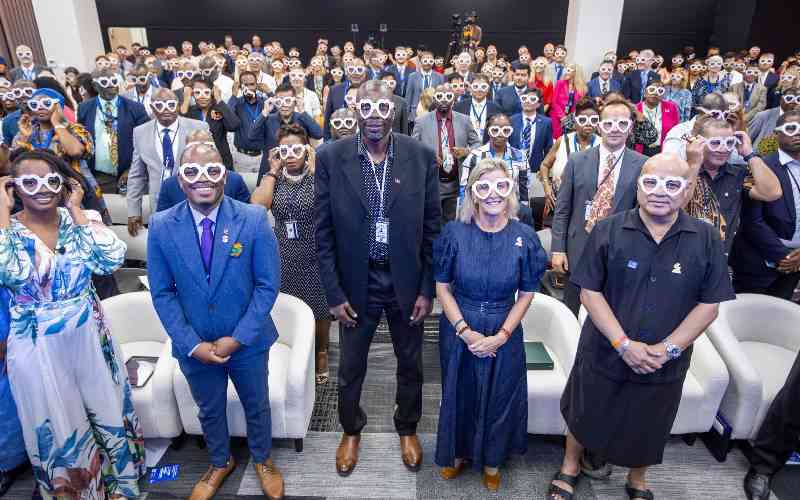
Kenya has committed to eliminating cataract as a public health problem by 2045 through an ambitious national plan expected to restore sight to millions of people and reduce avoidable blindness.
The government aims to reduce the share of people aged 50 and above living with cataract-related vision impairment from an estimated eight per cent to 2.5 per cent through expanded access to eye care services and increased investment in treatment.
Under the plan, Kenya intends to increase its cataract surgical rate from approximately 750 operations per million people currently to 2,000 per million by 2030 and 8,600 per million by 2036.
The targets are expected to facilitate approximately nine million cataract operations between 2027 and 2045, significantly expanding access to sight-restoring procedures across the country.
The commitment was announced during the Global Summit for Eye Health, hosted by the Government of Antigua and Barbuda, alongside Bangladesh, Guyana, Ireland and Nigeria, in technical collaboration with the World Health Organisation (WHO) and convened by the International Agency for the Prevention of Blindness (IAPB).
The initiative will be supported through sustainable financing under the Social Health Authority (SHA), strengthened eye health services, expansion of the healthcare workforce and improved referral pathways.
The government also plans to establish a national framework for monitoring surgical quality and patient outcomes to ensure that increased access to cataract operations is accompanied by improved standards of care.
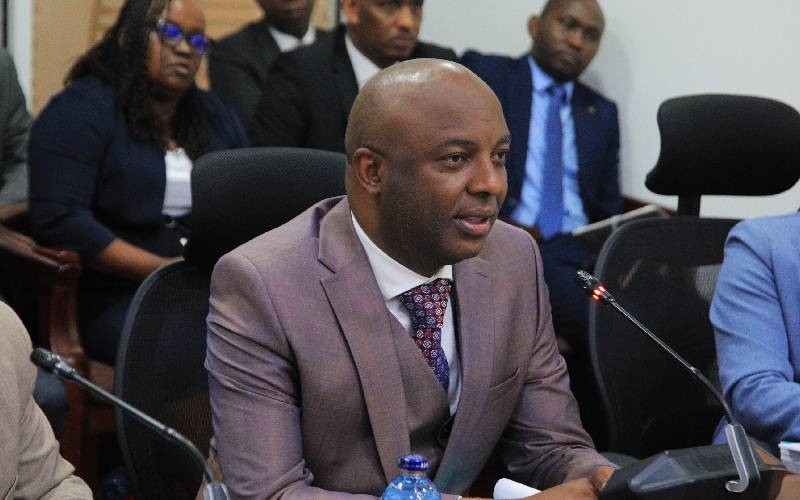
Head of Nursing and Curative Services at the Ministry of Health, Dr Andrew Jacob Toro, said improved access to eye care was essential in promoting human dignity, economic participation and national development.
“Sight is fundamental to human dignity, opportunity and participation in society. It enables children to learn, people to work, families to thrive and nations to prosper. Achieving these ambitions calls for a health system that works for everyone,” said Toro.
He said that the benefits of good vision extended beyond the ability to see, touching on people's independence, productivity and capacity to realise their full potential.
“Investing in eye health is therefore an investment in our people and in the future of our nations,” he added.
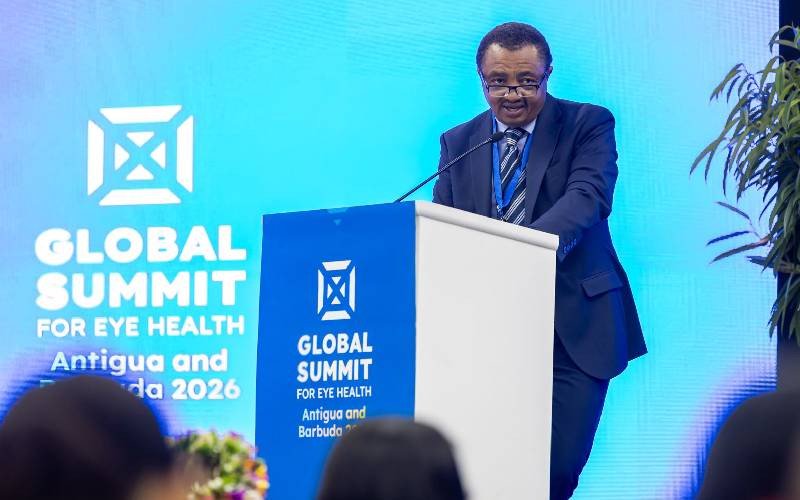
In 2027, the Ministry of Health will lead the development of a costed national cataract plan outlining county-level targets, workforce requirements and a monitoring framework to measure progress towards the 2045 commitment.
The plan will also prioritise underserved communities to address inequalities in access to eye care services across the country.
Beyond the health benefits, increased investment in eye care is projected to deliver significant economic returns for Kenya, which has an estimated population of 57.5 million.
Evidence from IAPB's Value of Vision investment case shows that an additional US$25.5 million (approximately Sh3.3 billion) investment in eye health between 2026 and 2030 could generate US$265 million (about Sh34 billion) in economic benefits.
The analysis further estimates that improved access to eye care could deliver the equivalent of 8,628 additional years of schooling, prevent 243 road traffic injuries and avert 4,168 cases of depression among people living with vision impairment.
Meanwhile, VisionSpring, an organisation working with local partners and communities to expand access to affordable vision solutions, has pledged to improve the eyesight of an additional 550,000 Kenyans through eyeglasses by 2030.
Its Africa Programme Manager, Ruth Mugo, emphasized that affordable eyewear was an important tool in improving livelihoods, independence and well-being, particularly among working-age adults.
“Eyeglasses are not a luxury. They are a powerful tool for improving livelihoods, independence and well-being,” said Mugo.
She said VisionSpring was working across the eye health and private sectors to reach people in their workplaces and communities, with particular attention to farmers, agricultural workers and small-scale entrepreneurs.
Mugo said that the organisation's commitment to provide eyeglasses to 550,000 more Kenyans formed part of its global ambition to correct the vision of an additional 20 million people.
Through its CatalEYES technical assistance programme, demand-generation strategies and provision of affordable eyewear, the organisation will work with partners to strengthen service delivery and address gaps in access to vision correction.
IAPB Chief Executive Officer Peter Holland described the Global Summit for Eye Health as a defining moment in international efforts to address avoidable blindness.
“The package of commitments announced this week will improve the lives of hundreds of millions of people and help them go to school, stay in work, care for their families, and participate fully in society,” said Holland.
He said growing government and private sector investment in eye health demonstrated recognition that access to vision care was directly linked to human potential, economic growth and sustainable development.








 join
