
 The Standard Group Plc is a multi-media organization with investments in media
platforms spanning newspaper print
operations, television, radio broadcasting, digital and online services. The
Standard Group is recognized as a
leading multi-media house in Kenya with a key influence in matters of national
and international interest.

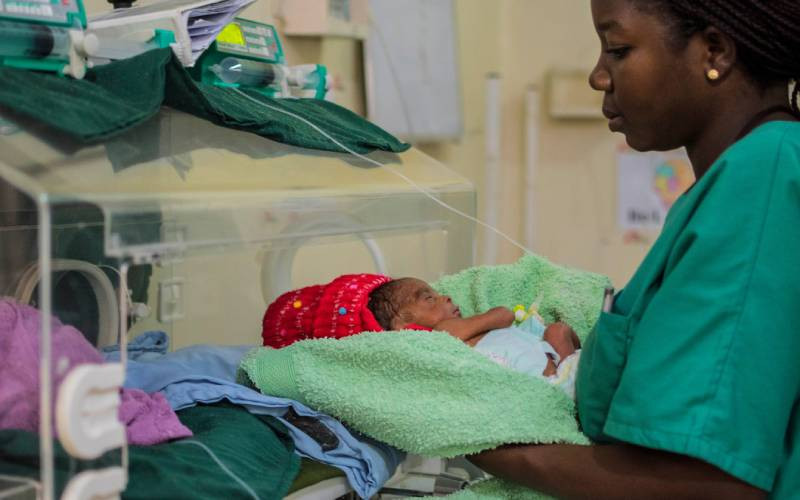
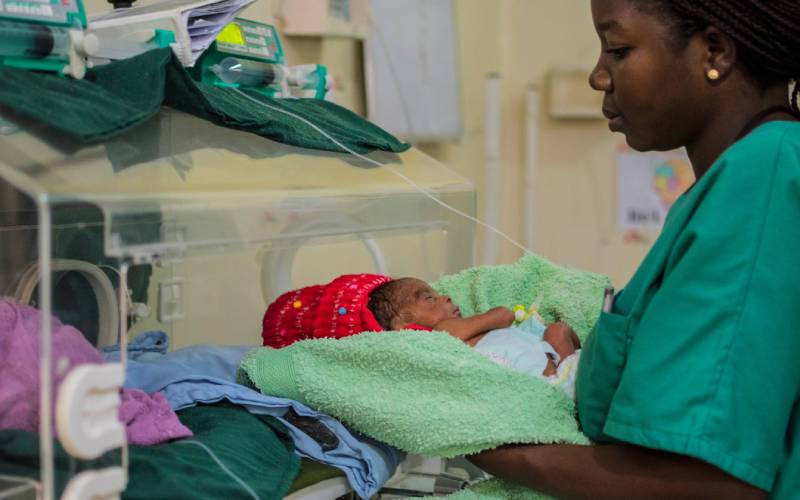
Neonatal sepsis is a life-threatening condition that occurs when a newborn develops a serious infection that triggers a potentially dangerous response in the body.
It can progress rapidly, affecting vital organs and leading to complications such as breathing difficulties, poor circulation, organ failure and death if not treated promptly.
Unlike older children and adults, newborns have immature immune systems, making it harder for their bodies to fight infections. An infection that might be manageable in an older child can therefore become life-threatening in a newborn within a short time.
The infection may be caused by bacteria, viruses or fungi, although bacteria are a major cause of neonatal sepsis. Newborns can become infected before, during or after birth. Some infections are passed from the mother to the baby during pregnancy or delivery, while others are acquired after birth, including in health facilities.
The condition is generally classified into two categories depending on when symptoms develop. Early-onset neonatal sepsis occurs within the first 72 hours after birth and is often associated with infections acquired from the mother before or during delivery.
Late-onset sepsis develops after the first 72 hours and may be linked to exposure to infections in the home or health facility.
In hospitals, newborns receiving treatment may be particularly vulnerable. Premature babies and those with low birth weight are at greater risk because their immune systems and protective barriers are not fully developed. The use of medical devices such as intravenous lines and breathing tubes can also create opportunities for germs to enter the body.
This was one of the concerns raised in the report, highlighting healthcare-associated infections and gaps in infection prevention and control in newborn units.
- Nurses strike: Mothers pay the price amid deadly delays in maternity care
- Bleeding to death: The preventable tragedy of childbirth
Keep Reading
When the infection becomes life-threatening
Neonatal sepsis can be difficult to recognise because its early symptoms are often subtle and may resemble other conditions affecting newborns.
A baby may become unusually sleepy or less active, refuse to breastfeed, develop a fever or have an abnormally low body temperature. Other warning signs include rapid or difficult breathing, changes in skin colour, convulsions and a weak cry.
In some cases, the baby may stop breathing or develop signs of shock as the infection affects the body's ability to maintain normal blood circulation.
Because the condition can deteriorate quickly, suspected neonatal sepsis requires urgent medical assessment. Doctors may carry out blood tests and take samples for culture to identify the organism responsible for the infection.
Blood work helps establish whether bacteria are present in the bloodstream, while antimicrobial sensitivity testing determines which antibiotics are likely to work against the identified bacteria. Treatment is usually started urgently with antibiotics while doctors await laboratory results, and may be adjusted once the results are available.
However, treatment is becoming more complicated as some bacteria develop resistance to commonly used antibiotics.
Dr Hellen Muttai, Co-Principal Investigator at the Child Health and Mortality Prevention Surveillance Network (CHAMPS), said enhanced mortality surveillance had revealed worrying levels of antibiotic resistance among bacteria linked to newborn deaths.
She said more than half of some organisms, particularly Klebsiella pneumoniae, were resistant to routinely used antibiotics.
The finding raises concern because infections caused by resistant bacteria may not respond to standard treatment, increasing the risk of complications and death. It also underlines the importance of laboratory testing to guide treatment and prevent the unnecessary use of antibiotics.
Preventing infections
Preventing neonatal sepsis requires action before, during and after delivery. This includes good infection prevention practices during childbirth, hand hygiene among healthcare workers and caregivers, clean delivery environments and proper sterilisation of medical equipment.
In newborn units, healthcare workers must follow infection prevention and control procedures, particularly when handling premature babies and those requiring intensive care. Early identification of infections and prompt treatment are equally important.
The Ministry identified several priorities, including implementing the Every Woman Every Newborn Everywhere (EWENE) Acceleration Plan, financing and procuring infection prevention and control supplies for newborn units, and enforcing standard operating procedures for managing neonatal sepsis.
Other priorities include regular training of healthcare workers, strengthening antimicrobial stewardship to promote responsible antibiotic use, and improving laboratory infrastructure to support culture and sensitivity testing.
A persistent challenge for Kenya
The warning comes against the backdrop of Kenya's persistently high newborn mortality rate. The country records 21 deaths per 1,000 live births, a figure that has changed little since 2014 and remains above the Sustainable Development Goal target of 12 or fewer deaths per 1,000 live births.
Speaking during the launch of the policy briefs, Health Director-General Dr Patrick Amoth said Kenya had developed policies to address maternal and newborn health challenges, but implementation remained a major hurdle.
“Both briefs reach the same conclusion: Kenya already has strong policies. The gap is implementation. Our task is feasible and achievable: to finance, equip and enforce what we have already set,” he said.
Dr Isaak Bashir, Director of Family Health, said the Ministry would use the report to guide implementation priorities and strengthen collaboration with health partners.













 join
