×

The Standard e-Paper
Kenya's Bold Newspaper
 The Standard Group Plc is a multi-media organization with investments in media
platforms spanning newspaper print operations, television, radio broadcasting,
digital and online services. The Standard Group is recognized as a leading
multi-media house in Kenya with a key influence in matters of national and
international interest.
The Standard Group Plc is a multi-media organization with investments in media
platforms spanning newspaper print operations, television, radio broadcasting,
digital and online services. The Standard Group is recognized as a leading
multi-media house in Kenya with a key influence in matters of national and
international interest.

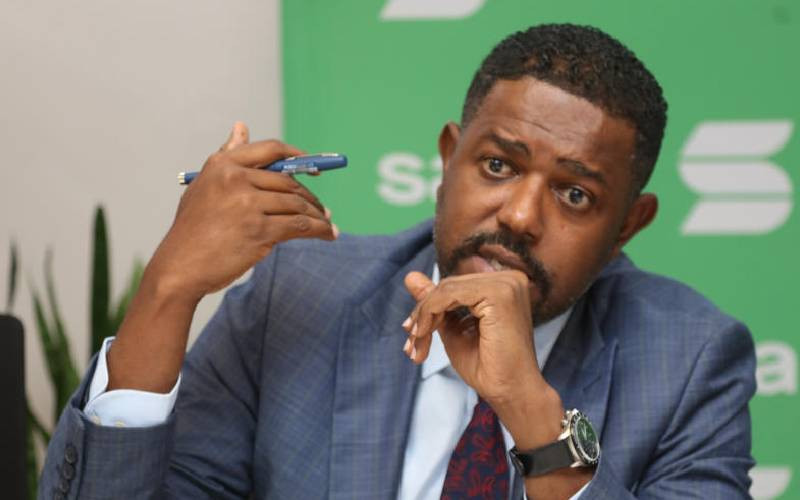
Trade Cabinet Secretary Lee Kinyanjui and Principal Secretary Regina Ombam during a media briefing on the EAC Court ruling on EU-Kenya Economic Partnership Agreement in Nairobi, on November 26, 2025. [Wilberforce Okwiri, Standard]
The government announced a new strategy designed to spur domestic pharmaceutical production, aiming to drastically reduce the country’s heavy reliance on imported medicines and medical supplies.
This initiative, spearheaded by the Ministry of Investments, Trade, and Industry in collaboration with the Ministry of Health and the Kenya Development Corporation (KDC), addresses long-standing economic vulnerabilities and supply chain fragility.
Central to this new push are plans to offer robust incentives, including guaranteed advance contracts for local manufacturers and innovative financial solutions engineered to resolve the persistent problem of delayed government payments.
In a critical meeting with key industry players, including the Federation of Kenya Pharmaceutical Manufacturers (FKPM) and the Pharmaceutical Society of Kenya (PSK) in Nairobi yesterday, government officials highlighted the staggering economic impact of current import practices. Investments, Trade, and Industry Cabinet Secretary Lee Kinyanjui painted a stark picture of the trade imbalance.
Citing the massive trade deficit with India, Kinyanjui noted that pharmaceuticals alone account for a significant portion of that imbalance. He expressed frustration that many of these imported products rely on basic ingredients readily available locally, such as cassava and sweet potatoes, which are then processed into starch.
“Out of the amount we are importing, much of it is what your grandmother produces, but we send all that money out,” Kinyanjui said, underscoring the untapped potential within Kenya’s agricultural and industrial sectors.
PSK President Wairimu Njuki reinforced this concern, noting that reliance on imports is particularly acute for essential medicines, reaching as high as 80 per cent dependency on the critical essential medicine list. This dependency, she warned, severely “subjects Kenya to global supply chain shocks.”
A primary hurdle for local manufacturers has consistently been the slow disbursement of funds for supplies delivered to government entities, particularly the Kenya Medical Supplies Authority (Kemsa).
Dr Vimal Patel, chair of the FKPM, lamented delays extending up to a year, a situation that cripples working capital and stymies growth.
Subscribe to our newsletter and stay updated on the latest developments and special offers!











 join
join