×

The Standard e-Paper
Truth Without Fear
 The Standard Group Plc is a multi-media organization with investments in media
platforms spanning newspaper print operations, television, radio broadcasting,
digital and online services. The Standard Group is recognized as a leading
multi-media house in Kenya with a key influence in matters of national and
international interest.
The Standard Group Plc is a multi-media organization with investments in media
platforms spanning newspaper print operations, television, radio broadcasting,
digital and online services. The Standard Group is recognized as a leading
multi-media house in Kenya with a key influence in matters of national and
international interest.

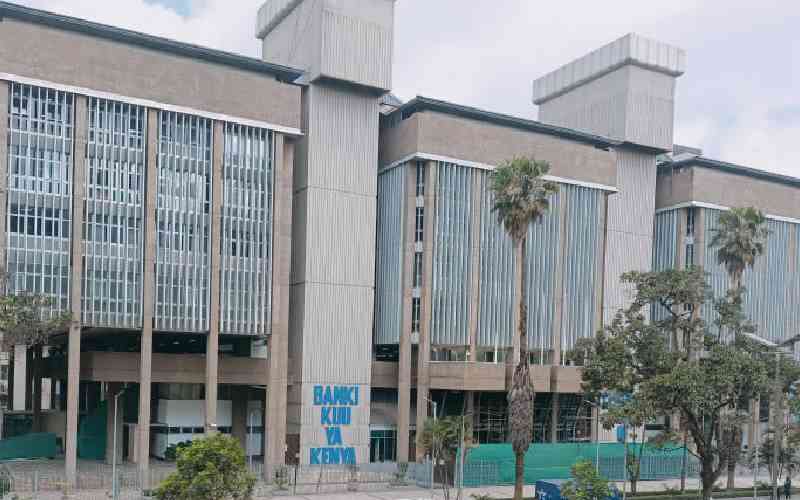
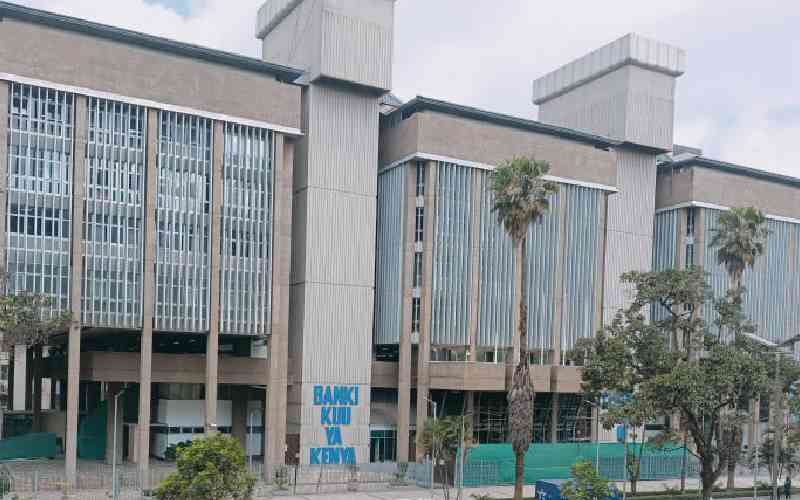
Remittance inflows to Kenya fell for a second consecutive month in December, fresh Central Bank of Kenya (CBK) data shows, deepening concerns over a sustained downturn in diaspora funds as US President Donald Trump’s immigration and tax policies continue to weigh down on migrant communities.
The CBK report shows that remittances dropped to $435.5 million (Sh56.17 billion) in December 2025, down from $445.4 million (Sh57.45 billion) in December 2024, marking a 2.2 per cent drop, according to the latest CBK weekly bulletin published last week.
Although total inflows for 2025 rose by 1.9 per cent to $5.04 billion (Sh649.6 billion), the monthly decline follows a sharper 8.3 per cent fall in November, signaling what analysts call a worrying trend for millions of households that depend on funds from abroad. “The consistent monthly drop points to real pressure on diaspora communities, especially in the US,” said Ian Njoroge, a Nairobi-based independent economist. “Policies targeting migrants are now directly hitting the wallets of families back home.”
The United States is the largest single source of remittances to Kenya, accounting for more than half of total inflows in recent years. Trump’s “One Big Beautiful Bill Act,” which imposes a one per cent tax on cash-based remittances sent from the US, has raised the cost of sending money home.
The decline comes during what is traditionally a high-sending period, as families abroad support relatives during the holiday season and new school year.
“Remittance inflows remain a key source of foreign exchange earnings and continue to support the balance of payments,” the CBK noted in its bulletin, underscoring the economic significance of these flows.
Kenya’s foreign exchange reserves stood at $12.48 billion as of January 15, equivalent to 5.4 months of import cover and above the statutory minimum of four months. The shilling remained stable at Sh129.03 against the US dollar.
Still, a prolonged slowdown in remittances could strain household budgets and reduce dollar inflows, complicating President William Ruto’s plan to create one million overseas jobs for Kenyans to boost remittances and ease unemployment.
“Instead of cracking down on illegal immigration and cartel finances, this tax will increase global instability and the very incentives that drive emigration in the first place,” some economists argue. The continued drop highlights the vulnerability of Kenya’s remittance-dependent economy to external policy shifts, even as the Ruto government strives to diversify its sources of foreign exchange.
Subscribe to our newsletter and stay updated on the latest developments and special offers!












 join
join