×

The Standard e-Paper
Join Thousands of Readers
 The Standard Group Plc is a multi-media organization with investments in media
platforms spanning newspaper print operations, television, radio broadcasting,
digital and online services. The Standard Group is recognized as a leading
multi-media house in Kenya with a key influence in matters of national and
international interest.
The Standard Group Plc is a multi-media organization with investments in media
platforms spanning newspaper print operations, television, radio broadcasting,
digital and online services. The Standard Group is recognized as a leading
multi-media house in Kenya with a key influence in matters of national and
international interest.

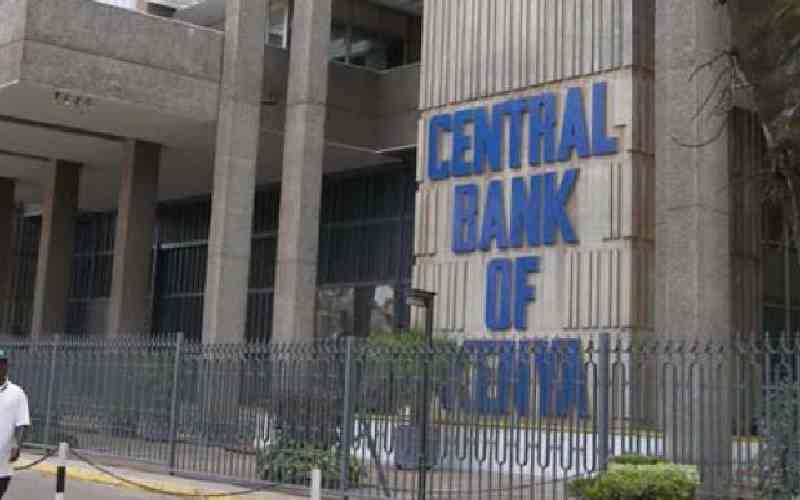
Borrowers are paying less for loans, new Central Bank of Kenya (CBK) data shows, as a new pricing system takes effect and passes on recent interest rate cuts.
The average lending rate across Kenya’s 38 banks fell to 14.8 per cent in December 2025 from 15.24 per cent in July last year, the CBK data shows. The decline follows the December 1 introduction of a revised Risk-Based Credit Pricing Model (RBCPM), designed to make pricing more transparent and responsive to monetary policy.
Under the new framework, banks must price new variable-rate loans using a public Reference Rate—initially based on the Kenya Shilling Overnight Interbank Average (KESONIA)—plus a customer-specific premium. All existing variable-rate loans will however, be migrated to the system by February 28.
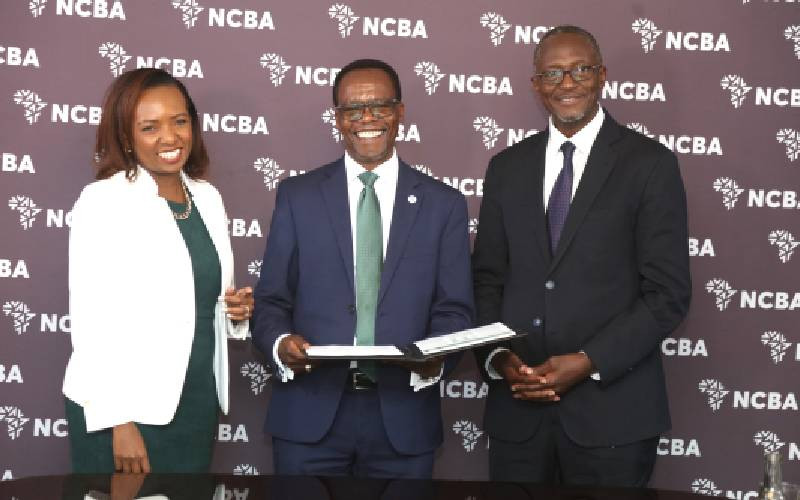
The CBK data confirms a broad-based trend of lower lending rates. For example, Cooperative Bank’s average rate fell to 15.54 per cent in December from 16.01 per cent in July, while KCB Group’s dropped to 15.24 per cent from 16.01 per cent. NCBA Bank’s rate declined to 15.54 per cent from 16.29 per cent.
The implementation of the new loan pricing system saw rates stand at 14.96 per cent at Equity Bank, Diamond Trust Bank (14.56 per cent), and Stanbic Bank Kenya (11.80 per cent) by last month.
The new CBK system addresses longstanding criticism from the CBK, including Governor Kamau Thugge, that banks were slow to pass on rate cuts to customers while quickly raising them during tightening cycles.
In separate interviews, the CEOs of Kenya’s two largest banks have previously welcomed the reform, linking it directly to declining borrowing costs.
“The new pricing mechanism has made it automatic: Every time the central bank rate goes down, the bank rate goes down, because it’s a factor,” Equity Group CEO James Mwangi told The Standard earlier. “We’re very excited that we have now aligned with the central bank.”
KCB Group CEO Paul Russo also said the new model “should enhance transparency and efficiency in credit pricing, enabling banks to better balance growth and risk.”
The shift follows a festive season move by Equity and KCB to cut their base lending rates in December, after the CBK’s Monetary Policy Committee (MPC) trimmed the Central Bank Rate by 25 basis points to 9.0 per cent.
The MPC said in December, that the new model would “improve monetary policy transmission,” as fresh data showed private sector credit growth accelerated to 6.3 per cent year-on-year in November. The average commercial bank lending rate had fallen to 14.9 per cent in November from 17.2 per cent a year earlier.
The executives linked the new system to a positive 2026 outlook. Russo projected economic growth in the “mid-five per cent range,” supported by stable inflation and a rejuvenated private sector.
Mwangi emphasised on the improved signaling effect. “The signaling is then effective because people can expect it,” he said, referring to the pass-through of CBK rate cuts.
The trend comes ahead of the MPC’s next meeting in February, which will assess economic conditions amid this structural shift in credit pricing.
Stay informed. Subscribe to our newsletter
Subscribe to our newsletter and stay updated on the latest developments and special offers!












 join
join