×

The Standard e-Paper
Join Thousands of Readers
 The Standard Group Plc is a multi-media organization with investments in media
platforms spanning newspaper print operations, television, radio broadcasting,
digital and online services. The Standard Group is recognized as a leading
multi-media house in Kenya with a key influence in matters of national and
international interest.
The Standard Group Plc is a multi-media organization with investments in media
platforms spanning newspaper print operations, television, radio broadcasting,
digital and online services. The Standard Group is recognized as a leading
multi-media house in Kenya with a key influence in matters of national and
international interest.

Audio By Vocalize
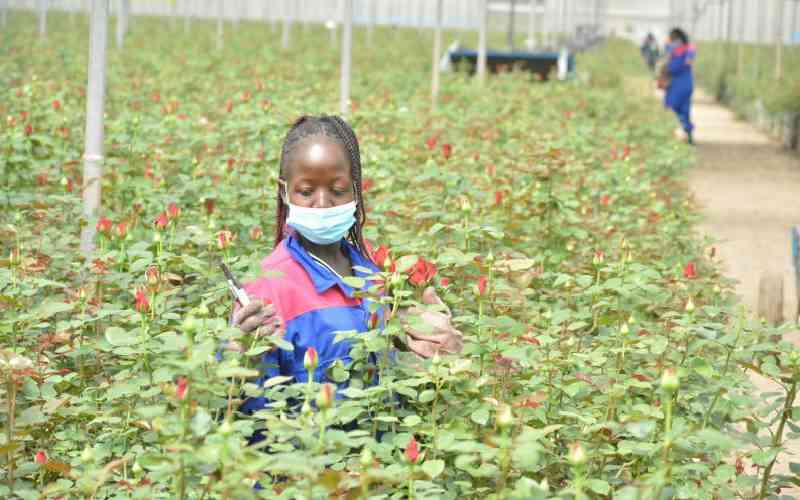
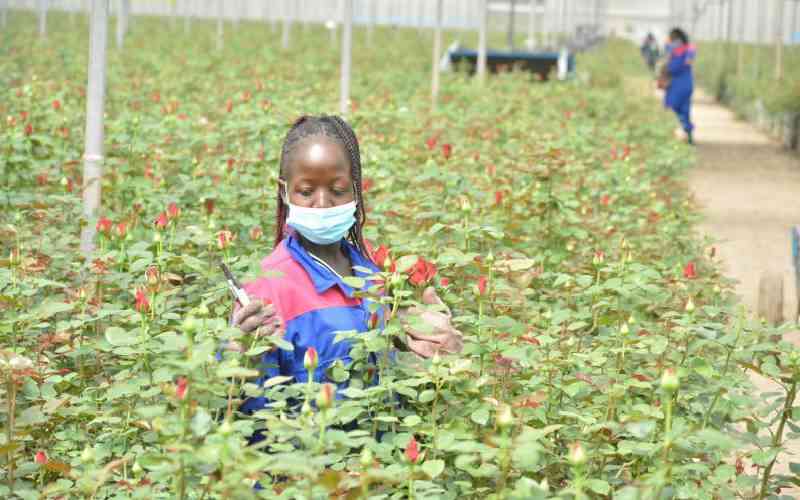
In just three weeks, Kenyan flower exporters have lost Sh622.6 million ($4.8 million), as a result of air cargo disruptions, following the Middle East tensions.
The industry now fears that the crisis may put thousands of jobs at risk.
The Sh622.6 million loss has been attributed to reduced prices and losses from perishable flowers.
Of this, approximately Sh272.4 million (USD 2.1 million) represents flowers that perished before reaching the market, while Sh350.2 million (USD 2.7 million) reflects reduced prices resulting from delayed arrivals and compromised quality.
The disruptions have cut air cargo capacity by up to 30 per cent, driving freight costs to Sh700.4 (5.4 USD) per kilogram.
As such, the horticultural industry now wants the government to urgently release pending VAT refunds, which currently stand at Sh10 billion, to sustain cash flow, protect jobs, and keep businesses operational.
At a time when the industry is grappling with rising costs, reduced cargo capacity, and market uncertainty, delayed VAT refunds are severely constraining cash flow across the sector.
“Timely release of VAT refunds will provide immediate liquidity relief. Failure to act risks business closures, job losses, and long-term damage to one of Kenya’s most important export sectors,” Clement Tulezi, Kenya Flower Council CEO.
With millions of dollars in losses already recorded and supply chains under severe strain, the sector is warning of deeper economic fallout unless urgent measures are taken.
The war between the US, Israel, and Iran has entered its 28th day. The conflict has intensified following the reported killing of Iran’s Supreme Leader, Ayatollah Ali Khamenei, in joint US-Israeli strikes in late February.
Strait of Hormuz, the vital oil transit point, remains effectively closed by Iran, causing global energy price shocks. The effect has struck home, as fuel shortage looms in the country, with claims of hoarding taking shape.
Global oil prices have surged, though they temporarily fluctuated following rumours of potential ceasefire talks.
The Kenya Flower Council has warned that Kenya’s flower industry is facing a growing crisis as the Middle East conflict escalates, delaying shipments. They also fear that the disruption is putting thousands of jobs at risk.
“Farms heavily dependent on Middle Eastern markets have experienced revenue declines of up to 75 per cent, and if the situation persists, weekly losses could exceed Sh168.6 million,” Clement Tulezi, Kenya Flower Council, CEO.
“These disruptions have resulted in shipment delays of up to 48 hours, alongside widespread flight cancellations, rerouting, and rescheduling,” Kenya Flower Council CEO, Clement Tulezi, said.
Stay informed. Subscribe to our newsletter
Kenya’s floriculture industry is one of the country’s leading foreign exchange earners and a critical source of livelihoods.
The Middle East is a key export market for Kenya’s horticultural produce, as well as a vital logistical hub for the Kenyan exports, a transit corridor linking Kenya to Europe and other global markets.
Although Europe remains Kenya’s largest export market, it is not insulated from the current crisis.
“Freight rates on Europe-bound routes have risen sharply, in some cases by more than 20 per cent,” Tulezi.
The Gulf region accounts for between 10 and 15 per cent of Kenya’s flower exports, with major destinations including the United Arab Emirates and Saudi Arabia.
Gulf countries contribute 13.35 per cent of export value and are estimated at Sh93.76 billion (722.9M usd). Gulf-based airlines carry a significant share of global air cargo, especially highly perishable products such as flowers.
The flower industry is uniquely vulnerable to such disruptions due to the highly perishable nature of the products. Even short delays significantly reduce shelf life, lower auction prices, and increase rejection rates in destination markets.
As such, Tulezi notes that the current delays are hurting competitiveness and the quality of the products. At the same time, he cautions that rising freight costs are eroding the already thin margins, threatening the economic viability of growers, especially small enterprises.
In 2024, the industry generated approximately Sh108.3 billion (USD 835 million) in export earnings and supported hundreds of thousands of jobs directly and indirectly.
The council has projected that the Air freight capacity is expected to remain constrained, with the possibility of rates doubling or even tripling on affected routes, if the conflict continues.
“Alternative options such as sea freight remain largely unsuitable due to extended transit times of 10 to 15 additional days,” Tulezi said.

Subscribe to our newsletter and stay updated on the latest developments and special offers!













 join
join