×

The Standard e-Paper
Read Offline Anywhere
 The Standard Group Plc is a multi-media organization with investments in media
platforms spanning newspaper print operations, television, radio broadcasting,
digital and online services. The Standard Group is recognized as a leading
multi-media house in Kenya with a key influence in matters of national and
international interest.
The Standard Group Plc is a multi-media organization with investments in media
platforms spanning newspaper print operations, television, radio broadcasting,
digital and online services. The Standard Group is recognized as a leading
multi-media house in Kenya with a key influence in matters of national and
international interest.

Audio By Vocalize

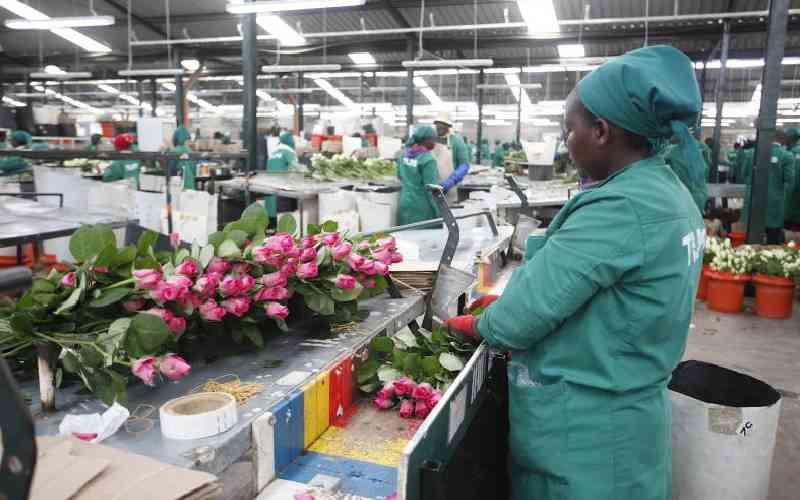
Kenya's flower industry lost an estimated Sh200 million on Monday, May 18, after a nationwide transport strike paralysed cargo movement to Jomo Kenyatta International Airport (JKIA), the Kenya Flower Council (KFC) has said.
The industry lobby said between 100 and 200 tonnes of flowers scheduled for export that day were delayed or affected in varying degrees, compounding what it described as a deepening crisis for one of the country's top foreign exchange earners.
"Every delayed shipment increases the risk of spoilage, financial losses, contractual penalties, damaged buyer confidence and long-term market competitiveness for Kenyan growers," said KFC Chief Executive Officer (CEO) Clement Tulezi.
The strike, which disrupted public transport across Nairobi and other parts of the country, hit the flower industry at its cold chain, the council said. Farm attendance in several growing regions dropped by up to 10 per cent, cargo trucks to JKIA faced gridlock on blocked roads, and export handling operations at the airport were thrown off schedule, according to KFC.
The council said the blow landed on an industry already under severe strain.
Flower export freight charges had already risen by nine per cent to Sh545.6 per kilogramme following flight disruptions linked to the Middle East conflict involving Iran, the United States and Israel, with the sector recording losses of at least Sh623.5 million since the conflict began.
Industry data shows the sector was losing an estimated USD 1.4 million (Sh181.4 million) per week due to reduced demand and logistical disruptions, with losses surpassing USD 4.2 million (Sh544.3 million) over just three weeks.
The domestic strike added a fresh layer of damage at the source, before flowers even reached the airport, KFC said.
"The nationwide strike today has compounded these existing challenges by interrupting domestic logistics at the source and export handling level," said Tulezi.
South American competitors, unaffected by the Middle East disruptions, have been filling gaps left by Kenyan exporters in European markets, according to industry players, who warn that market share, once lost, is almost impossible to regain.
"If that market is taken away, regaining it becomes almost impossible," noted Tulezi.
KFC data shows Kenya's flower sector generates more than Sh110 billion annually and supports over 200,000 direct jobs and 1.5 million livelihoods indirectly.
Industry analysts note that logistics costs already account for up to 60 per cent of total production costs, leaving growers with little room to absorb additional shocks, according to the council.
The council called on the government and industry stakeholders to restore normal transport operations, cushion export sectors from rising fuel and logistics costs, and build long-term resilience in Kenya's supply chain infrastructure.
Stay informed. Subscribe to our newsletter
"Without timely intervention, the combined effects of transport disruptions, rising fuel prices and broader global logistics pressures could significantly impact exports, investment confidence, production continuity and employment across the floriculture value chain," noted Tulezi.
The council said it was engaging growers, logistics providers and government agencies to limit further losses and maintain continuity of exports.
Subscribe to our newsletter and stay updated on the latest developments and special offers!











 join
join