×

The Standard e-Paper
Informed Minds Prefer The Standard
 The Standard Group Plc is a multi-media organization with investments in media
platforms spanning newspaper print operations, television, radio broadcasting,
digital and online services. The Standard Group is recognized as a leading
multi-media house in Kenya with a key influence in matters of national and
international interest.
The Standard Group Plc is a multi-media organization with investments in media
platforms spanning newspaper print operations, television, radio broadcasting,
digital and online services. The Standard Group is recognized as a leading
multi-media house in Kenya with a key influence in matters of national and
international interest.

Audio By Vocalize
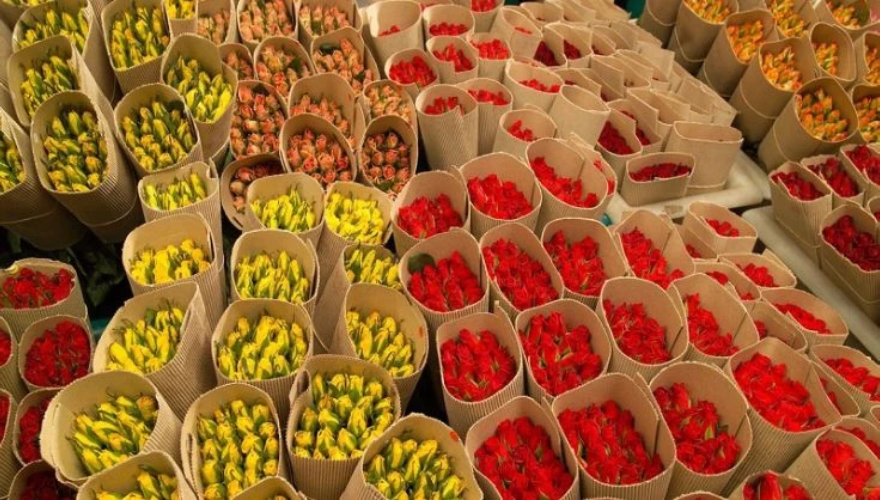
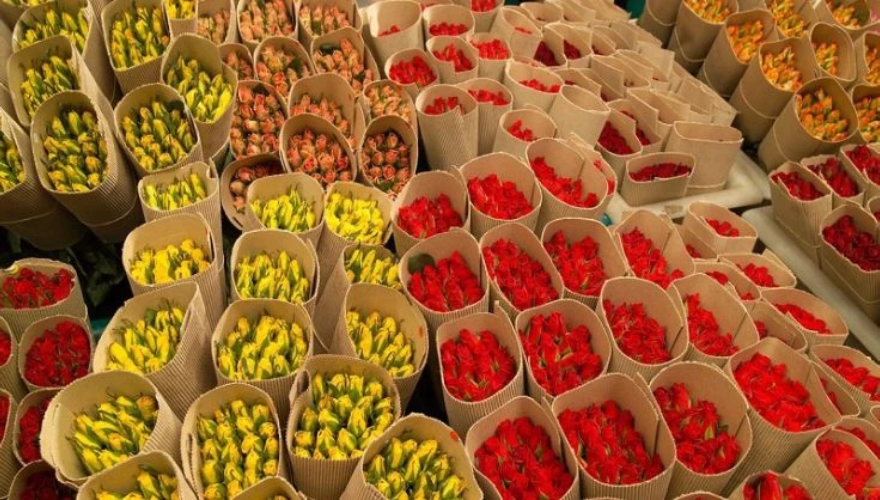
The county’s flower sector is losing over Sh180m every week due to the ongoing Middle East crisis, which has pushed up freight charges and reduced cargo capacity.
According to the Kenya Flower Council (KFC), the cargo and logistics disruptions linked to global conflicts had adversely affected international supply chains.
This comes barely a couple of days after the countrywide fuel-demonstration paralyzed operations and transportation of flowers across flower-growing regions.
During the two-day demonstrations, the sector lost over Sh200m in delayed shipments and wastage after workers failed to report to duty, while tens of trucks ferrying flowers could not reach JKIA.
In a statement, the Council CEO, Clement Tulezi, said that the delayed shipment caused by the geopolitical disruptions had increased the risk of spoilage, financial losses and contractual penalties.
He added that this further damaged buyer confidence and long-term market competitiveness for Kenyan growers, mainly from the neighbouring country of Ethiopia.
“Industry data shows Kenya’s flower sector has been losing up to USD 1.4 million (Sh180m) weekly due to cargo and logistics disruptions linked to global conflicts,” he said.
Tulezi further noted that the ongoing geopolitical disruptions were to blame for the rising freight costs and broader supply chain instability.
He said that the floriculture sector was one of the country’s leading foreign exchange earners, generating over Sh110B annually and supporting more than 200,000 direct jobs and over 1.5 million livelihoods indirectly.
“Any prolonged disruption to transport and logistics has immediate economic consequences because flowers are highly perishable products that depend on speed, precision, and reliable connectivity,” he said.
Earlier, the Agricultural Employers Association (AEA) warned of looming job losses in the sector due to the rise in fuel prices and a 40 per cent increase in the cost of production.
The association CEO, Wesley Siele, termed the current situation in the sector as worrying as farmers continued to grapple with the emerging challenges.
He said that the failure to pay VAT refunds, which stood at over Sh10B, coupled with rising prices of farm inputs like fertiliser, had adversely affected the agriculture sector.
“We have received letters requesting us to process the redundancies in some flower farms, and this is not a time when things should be taken like business as usual,” he said.
Stay informed. Subscribe to our newsletter
On his part, Patrick Mbugua, the general manager of Wildlife Roses, said that the cost of production has risen by over 40 per cent against stagnant flower prices.
Mbugua blamed this on the escalation of taxes and levies in the industry, a move that had affected expansion in the sector that employs over 200,000 people directly.
“The price of calcium nitrate, which is one of the key components in the sector, has doubled in the last three months since the Iran war started, and this has affected production,” he said.

Subscribe to our newsletter and stay updated on the latest developments and special offers!












 join
join