×

The Standard e-Paper
Home To Bold Columnists
 The Standard Group Plc is a multi-media organization with investments in media
platforms spanning newspaper print operations, television, radio broadcasting,
digital and online services. The Standard Group is recognized as a leading
multi-media house in Kenya with a key influence in matters of national and
international interest.
The Standard Group Plc is a multi-media organization with investments in media
platforms spanning newspaper print operations, television, radio broadcasting,
digital and online services. The Standard Group is recognized as a leading
multi-media house in Kenya with a key influence in matters of national and
international interest.

Audio By Vocalize
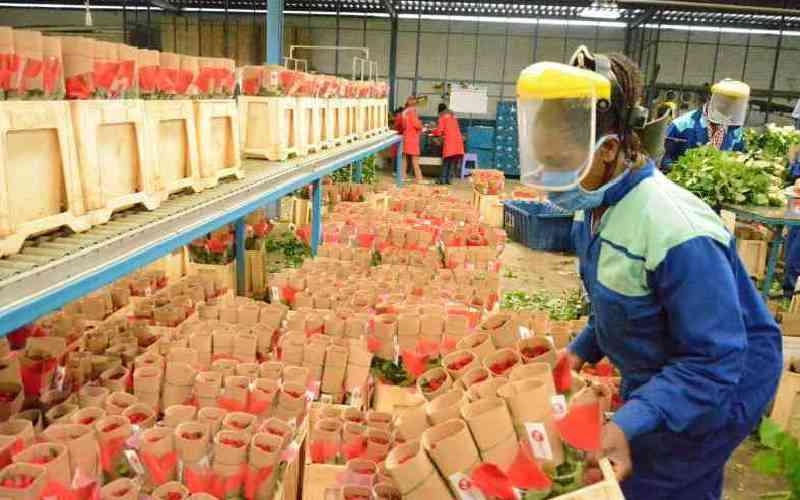
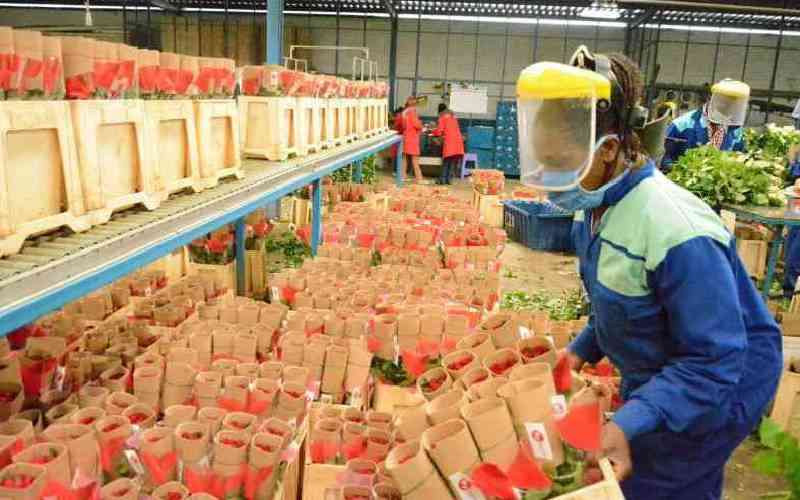
Stakeholders in the horticulture sector will be meeting in Nairobi next week to examine the trade and logistics bottlenecks affecting the movement of East Africa’s horticultural products from farms to domestic, regional and international markets.
The industry players will be seeking regional solutions to lower the cost of moving fresh produce to abroad markets with high logistics costs, inadequate cold-chain infrastructure and delays at ports and borders cited to be behind the pressure stopping the competitiveness of the sector in East Africa.
The two-day Regional Public-Private Dialogue on Horticultural Logistics and Trade Facilitation will focus on measures to improve the efficiency of the horticulture value chain and unlock greater market opportunities for producers and exporters.
The meeting will also mark the launch of the Horticulture Council of Eastern Africa (HoCEA), a private sector-led regional platform expected to coordinate industry advocacy and engagement with governments and regional institutions.
Dr Jacqueline Mkindi, HoCEA interim chair and chief executive officer of the Tanzania Horticultural Association, said high freight costs, inadequate cold-chain facilities and weak first-mile aggregation systems remain among the major constraints facing the sector.
Other challenges include fragmented digital trade processes, delays at ports and border points, inconsistent sanitary and phytosanitary (SPS) and certification procedures, as well as limited utilisation of opportunities under the African Continental Free Trade Area (AfCFTA).
The bottlenecks increase transaction costs and can result in delays for time-sensitive products, affecting the ability of producers and exporters to compete in regional and international markets.
“These challenges include high freight costs, inadequate cold-chain infrastructure, weak first-mile aggregation systems, fragmented digital trade processes, delays at ports and borders,” said Dr Mkindi.
The official said the impact is not limited to large exporters as it also affects smallholder farmers, women and youth-led businesses, small and medium-sized enterprises and logistics providers who also depend on efficient transport and market systems to participate in the horticulture economy.
The Nairobi dialogue will focus on four areas, including trade logistics and cold-chain systems, digital trade and smart corridors, SPS measures and non-tariff barriers, and market access under AfCFTA.
For businesses dealing in fresh produce, efficient cold-chain and transport systems are critical because delays can affect the quality and marketability of products before they reach consumers.
Stakeholders will therefore examine infrastructure and transport requirements for moving produce from production areas to markets while exploring how digital systems can reduce transaction costs and improve information flows across borders.
The meeting will also examine SPS requirements and certification processes, which can affect the speed and cost of cross-border trade when procedures are fragmented or inefficient.
AfCFTA will form another key area of discussion as industry players explore how East Africa’s horticulture sector can increase its participation in African markets.
Stay informed. Subscribe to our newsletter
The organisers expect the discussions to result in a Nairobi Communiqué outlining priority actions, responsible institutions and timelines for implementation.
The launch of HoCEA is expected to give horticulture businesses across the region a common platform to advocate for reforms affecting trade, logistics, market access and sector competitiveness.
The council is working with national horticulture associations across Eastern Africa with support from Trademark Africa.
Dr Mkindi said stronger coordination between governments, industry and regional institutions would help address challenges that cannot be resolved by individual businesses or countries acting alone.
For the region’s horticulture industry, the outcome of the Nairobi meeting will be measured by whether identified reforms translate into lower trade costs, faster movement of produce and improved access to regional and international markets.



Subscribe to our newsletter and stay updated on the latest developments and special offers!











 join
join