×

The Standard e-Paper
Informed Minds Prefer The Standard
 The Standard Group Plc is a multi-media organization with investments in media
platforms spanning newspaper print operations, television, radio broadcasting,
digital and online services. The Standard Group is recognized as a leading
multi-media house in Kenya with a key influence in matters of national and
international interest.

Audio By Vocalize
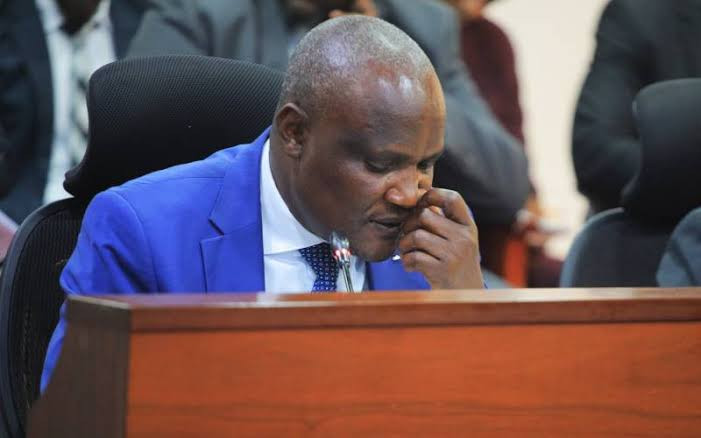
The National Treasury has called on commercial banks to lower lending rates in line with the Central Bank of Kenya’s (CBK) monetary policy cuts to ease borrowing costs for businesses and households.
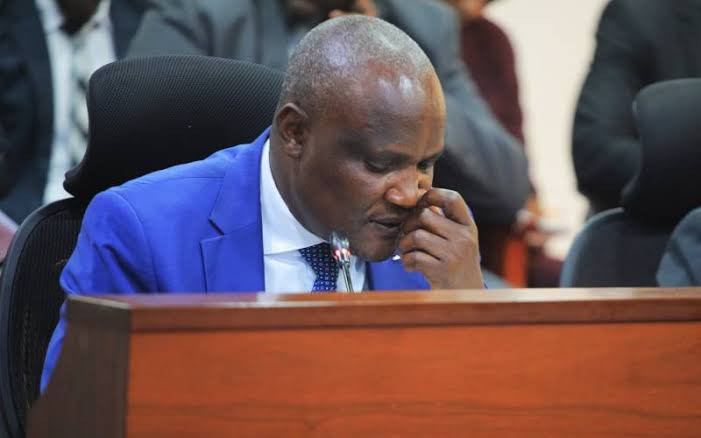
Speaking at the 2026 NCBA Economic Forum, Treasury Cabinet Secretary John Mbadi said passing on the benefits of lower benchmark rates to borrowers would help stimulate private sector investment and economic activity.
Mbadi noted that the CBK’s benchmark rate had declined from 13 per cent in mid-2024 to 8.75 per cent, but commercial banks were still charging an average lending rate of 14.4 per cent.
He urged financial institutions to respond to the easing monetary environment by reducing borrowing costs, even as the country’s macroeconomic indicators show signs of stabilisation.
The discrepancy comes at a time when private sector credit growth is attempting a recovery, rebounding from a contraction of 2.9 per cent in January 2025 to 10.6 growth in September 2026. According to the government, as the state scales back its borrowing from local banks, commercial lenders have more funds available to finance businesses, manufacturers and small enterprises.
The NCBA Economic Forum brought together business executives, development partners, and economists to discuss how investment and policy decisions could shape Kenya’s economic growth and 2027 outlook.
Despite broader fiscal pressures, Kenya’s economy registered a five per cent annual expansion between 2022 and 2025, supported by 5.1 per cent growth in the first two quarters of the current year.
Additionally, inflation stood at 7.3 per cent in October, remaining within the target range of 2.5 to 7.5 percent, while foreign direct investment doubled to $3.2 billion (Sh415.84 billion) in 2025.
These indicators point to both opportunities and persistent risks for businesses and the financial sector. Foreign exchange conditions have stabilised, with the Kenyan shilling averaging 129.9 against the US dollar and foreign reserves rebuilt to $14.9 billion (representing 6.1 months of import cover).
Furthermore, at the Nairobi Securities Exchange, market capitalisation surpassed Sh4 trillion. However, businesses face several challenges, with Global energy-market volatility contributing to local fuel-price increase of up to Sh 3 per litre in October of 2026. Unpredictable weather also poses risks, while first-quarter tax collections fell Sh 40.4 billion short of the government’s target.
The banking sector itself maintains strong capital buffers, recording an 8.1 percent increase in total assets to Sh 8.9 trillion and a 19.2 percent rise in gross profits to Sh 18.9 billion in the year to June 2026. Institutional developments reflect ongoing consolidation and investor interest in the financial systems including, NCBA’s finalizing partnership with Nedbank.
Looking ahead, business leaders must navigate upcoming fiscal adjustments and policy timelines even as the National Treasury plans a Sh 5.4 trillion budget for the 2027/28 financial year with a targeted fiscal deficit of 5.9 percent of GDP.
Consequently, to reduce the risk of market disruption before the 2027 elections, the government plans to finalize the budget calendar by March 2027 saying this would help keep public procurement, payment of pending bills, and capital projects on schedule.
Stay informed. Subscribe to our newsletter


Subscribe to our newsletter and stay updated on the latest developments and special offers!