×

The Standard e-Paper
Kenya's Bold Newspaper
 The Standard Group Plc is a multi-media organization with investments in media
platforms spanning newspaper print operations, television, radio broadcasting,
digital and online services. The Standard Group is recognized as a leading
multi-media house in Kenya with a key influence in matters of national and
international interest.
The Standard Group Plc is a multi-media organization with investments in media
platforms spanning newspaper print operations, television, radio broadcasting,
digital and online services. The Standard Group is recognized as a leading
multi-media house in Kenya with a key influence in matters of national and
international interest.

Audio By Vocalize
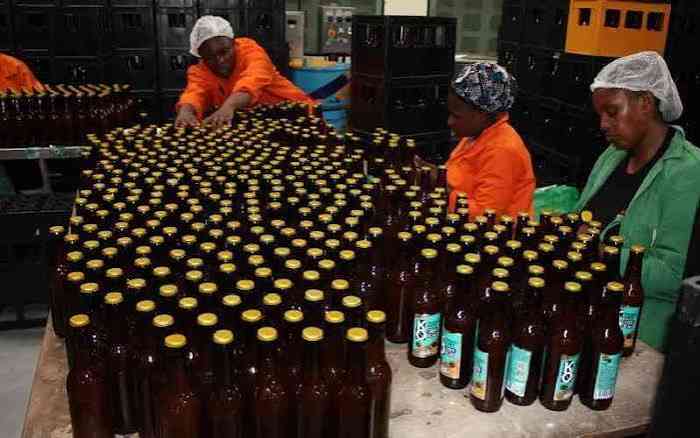
Africa's beverage industry must overcome barriers in financing, regulation and skills development while embracing innovation, sustainability and changing consumer preferences if it is to unlock its full potential, industry leaders said at the inaugural New Pulse Summit 2026.
The summit, organised by Drinkabl Africa, brought together beverage executives, entrepreneurs, investors and innovators to discuss the future of one of the continent's fastest-evolving industries.
Speaking during the event, Drinkabl Africa co-founder Tossin Balogu described the summit as Africa's premier beverage intelligence platform designed to connect brands, entrepreneurs and investors while generating practical solutions for the sector.
"Africa's beverage industry needs a convergence of thought leaders, founders and entrepreneurs to bring insights into the room and have conversations on how we can advance the industry together," Balogu said.
He identified access to capital as one of the biggest obstacles facing entrepreneurs, noting that while innovative ideas abound, many founders struggle to secure financing to commercialise them.
Regulatory hurdles also remain a major challenge. Balogu cited conversations with operators in East Africa who pointed to lengthy licensing processes for breweries and distilleries, slowing investment and industry expansion.
Beyond funding and regulation, he said many founders lack the technical and business expertise needed to scale their businesses, underscoring the importance of knowledge-sharing forums such as the New Pulse Summit.
Balogu also highlighted findings from Drinkabl Africa's latest beverage industry report, which shows that African consumers are becoming more selective in their purchasing decisions.
While global markets are experiencing a growing sobriety movement among younger consumers, Africa, he said, presents a different picture.
"Young Africans are drinking differently rather than simply drinking less," he observed. "They are looking for value for money, sustainability and brands that reflect their personal values."
The report also found that premium positioning increasingly influences buying decisions as consumers seek brands that project success and aspiration. Ingredient transparency has also become more important, with consumers paying closer attention to product labels, sustainability credentials and sourcing practices.
Balogu noted that beverage companies are increasingly investing in local agriculture through backward integration initiatives, supporting farmers to grow ingredients such as sorghum and barley while reducing dependence on imports and strengthening local economies.
International brand strategist Mark Pollard, who has worked across Australia, the United States and several global markets, said Kenya stood out as one of Africa's most exciting investment destinations because of its youthful population, vibrant digital culture and active nightlife.
After visiting several African countries, Pollard said Kenya's creativity and online engagement offer significant opportunities for beverage brands seeking to build strong consumer communities.
Stay informed. Subscribe to our newsletter
"If you're building a brand here and you're not going viral every week, something is wrong," he said, pointing to the country's highly engaged social media audience.
However, he challenged local businesses to raise production standards in branding and creative execution, arguing that stronger storytelling and higher-quality content could help Kenyan brands compete more effectively on the global stage.
Pollard also advised foreign investors to spend time understanding Kenya's social and drinking culture rather than relying solely on market reports.
"You have to get boots on the ground," he said. "You need to experience how consumers gather, celebrate and interact with brands."
East African Breweries Ltd (EABL) executives said innovation remains central to responding to rapidly changing consumer preferences. EABL Head of Innovation Effie Kiongo said the company relies on extensive consumer research, digital listening and market engagement to identify emerging trends before developing new products.
"We are very consumer-obsessed," she said. "We spend time understanding consumers today while preparing for what they will want tomorrow."
Kiongo said African consumers are increasingly demanding flavorful beverages, greater product variety and healthier lifestyle options. She pointed to innovations such as flavoured ciders, ready-to-drink beverages and flavoured spirits as examples of how the company is responding to evolving tastes.
She stated that sustainability remains a strategic priority for EABL through initiatives such as bottle collection and recycling programs, as well as partnerships with more than 30,000 farmers growing sorghum and other raw materials.
According to Kiongo, Africa's expanding urban population, rising smartphone adoption and growing economic participation among women present enormous opportunities for long-term growth.
"The opportunities in this market far outweigh the barriers," she said.
EABL Innovations Manager Kanye Kuru said resilience in beverage innovation requires building brands grounded in deep consumer insights while ensuring they remain culturally relevant and accessible through the right distribution channels.
He encouraged young professionals entering the fast-moving consumer goods sector to remain curious and closely monitor changing consumer behaviour, market trends and macroeconomic developments.
"Keep your eye open and stay curious," Kuru advised.
He acknowledged that understanding consumers remains one of the industry's greatest challenges, saying companies must continually invest in research to ensure products genuinely reflect consumer aspirations and lifestyles.
Throughout the summit, speakers agreed that Africa's beverage industry is entering a new phase of growth driven by demographic expansion, digital transformation, sustainability and premiumisation. However, they emphasised that realising the sector's full potential will require stronger collaboration among governments, investors, entrepreneurs and manufacturers to remove barriers and accelerate innovation.



Subscribe to our newsletter and stay updated on the latest developments and special offers!








 join
join